
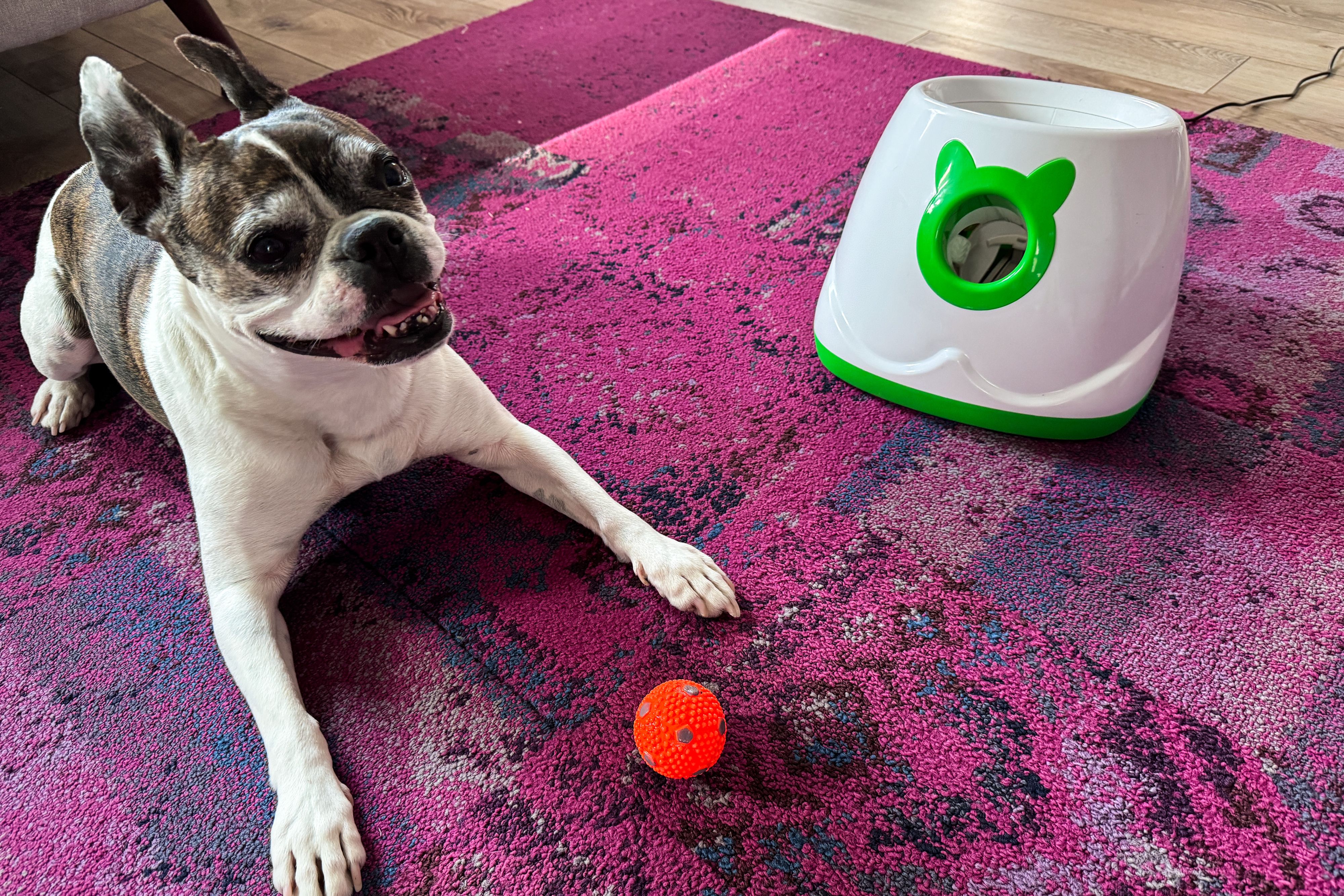

Set up the far fetcher device
Getting the far fetcher ready for your older dog requires a calm, controlled environment. Senior dogs often have stiff joints or sensitive hearing, so the setup should minimize noise and physical strain. Start by choosing a flat, non-slip surface in a quiet room. Avoid slippery hardwood or tiled floors where the dog might slide during the retrieve. A yoga mat or a small rug provides the necessary traction for stable footing.
Place the far fetcher unit on this stable surface. Ensure there is at least three feet of clear space around the device to prevent accidental bumps. If the unit has a launch mechanism, test it briefly without a dog present to ensure it moves smoothly and quietly. Older dogs may startle at sudden noises, so a gentle, consistent launch sound is preferable.
Check the distance settings before inviting your dog. For seniors, start with the shortest possible range. The goal is to encourage movement without forcing a long sprint that could strain their hips or knees. Adjust the device so the target is close enough for a comfortable walk, not a run. This initial setup phase is about building confidence and ensuring physical safety before the actual training begins.
Introduce the toy to your dog
Older dogs often rely on routine and can be wary of new objects or unfamiliar sounds. Rushing the introduction of a Far Fetchers toy can trigger anxiety or cause your dog to ignore the device entirely. The goal is to create a positive association with the toy before you ever turn it on or ask for a fetch.
Start by placing the toy in a neutral area of your home where your dog spends time, such as near their bed or a favorite resting spot. Do not force interaction. Allow your dog to approach the toy at their own pace. If they sniff or nudge it, offer a high-value treat immediately. This builds a mental link between the object and something pleasant, rather than something strange or intrusive.
If your dog shows hesitation, increase the distance between them and the toy. You can toss a treat near the toy without placing the treat on the toy, keeping the object in the background. Gradually move the treat closer to the toy over several sessions. This desensitization process respects the slower processing speed and potential sensory declines common in senior dogs.
Once your dog is comfortable sniffing and touching the toy without fear, you can introduce the sound. Turn the device on and off from a distance while feeding treats. Keep the volume low initially. If your dog flinches or moves away, turn the device off and give a break. Repeat this until the sound itself becomes a cue for rewards, not a source of stress.
Teach the fetch sequence
Use Far Fetchers for Older Dog Training works best as a clear sequence: define the constraint, compare the realistic options, test the tradeoff, and choose the path with the fewest hidden costs. That order keeps the advice usable instead of decorative. After each step, pause long enough to check whether the recommendation still fits the reader's actual situation. If it depends on perfect timing, unusual access, or a best-case budget, include a simpler fallback.
Integrate leash training cues
Older dogs often have established habits, making the transition from off-leash play to controlled obedience require patience. The goal is to weave leash manners into the fetch routine so the dog learns to listen while excited. Start by attaching a standard six-foot leash before throwing the toy. This length gives enough freedom to run but allows you to guide the return without tension.
As the dog retrieves the toy, use a consistent cue like "heel" or "with me" to direct them back to your side. Reward compliance immediately upon return. If the dog pulls toward you, stop moving and wait for slack in the leash before resuming. This teaches that pulling leads to stagnation, while a loose leash keeps the game moving.
For older dogs with joint issues, keep throws short and frequent. This reduces physical strain while reinforcing the "return to handler" behavior. Over time, gradually increase the distance of the throws as their obedience improves. The leash becomes a communication tool rather than a restraint, helping to maintain control in distracting environments.
Use fetch for potty training
Structured exercise like fetch can serve as a powerful cue for potty training older dogs. The physical activity stimulates the digestive system, creating a natural window for elimination. By pairing the end of a fetch session with a trip outside, you create a predictable routine that reduces accidents indoors.
Start the fetch session in a controlled area, such as a fenced yard or a quiet park. Use a durable ball or frisbee that encourages vigorous running and turning. Keep the session moderate in length—five to ten minutes is usually sufficient to stimulate the need without exhausting the dog. Older dogs may have joint sensitivities, so avoid high-impact jumps or sudden stops that could cause discomfort.
Immediately after the session, lead your dog to their designated potty spot. Use a consistent command like "go potty" or "do your business." Wait patiently for them to eliminate. If they do not go within five minutes, return them inside and try again in twenty minutes. This prevents frustration and reinforces that potty time happens outdoors, not in the play area.
Reward successful elimination with high-value treats and calm praise. This positive reinforcement strengthens the association between the fetch routine and the desired behavior. Over time, the dog will begin to anticipate the potty break following exercise, making housebreaking smoother and more reliable for senior pets with changing bladder control.
Troubleshoot common issues
Older dogs often need a different approach than puppies when using Far Fetchers. Their joints may ache, their hearing might be dimmer, or they simply prefer a slower pace. When the toy doesn’t work as expected, start by checking the physical setup before assuming the dog isn’t interested.
Check Battery and Volume
Start by ensuring the device is charged and the volume is set appropriately. Senior dogs often have hearing loss, so the sound needs to be clear but not startling. If the battery is low, the tone may distort, causing confusion. Replace the battery or recharge the unit before proceeding.
Adjust Toy Placement
Position the Far Fetcher where your dog can easily reach it without jumping or stretching. If the toy is too high, an older dog with arthritis may refuse to engage. Place it on the floor or a low surface. If the dog seems reluctant, try moving the toy closer to their favorite resting spot to encourage interaction.
Monitor Health and Comfort
Watch for signs of pain or discomfort. If your dog limps or hesitates, stop the training session. Consult a veterinarian to rule out underlying health issues that might affect mobility. Adjust the training intensity to match their physical capabilities, focusing on short, gentle sessions rather than long, vigorous play.
Where to watch Far-Fetched
You can stream the Far-Fetched animated series directly on YouTube. The show is an original series created by Ashley Nichols and Dave Capdevielle, and it is available for free viewing on the official Far-Fetched YouTube channel.
This platform makes it easy to access the episodes without a subscription. You can find the full library of episodes, including the pilot, by visiting the channel page. It is the primary and most reliable source for watching the series.
No comments yet. Be the first to share your thoughts!