

Older dogs can still learn
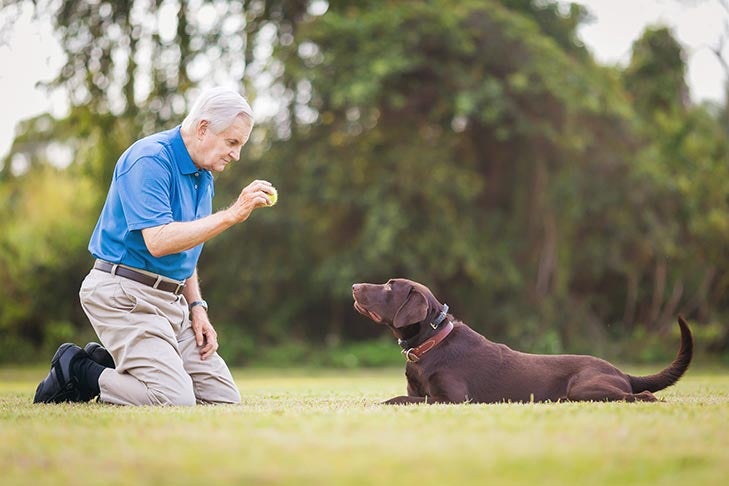
I've spent years working with older dogs, and the idea that they can't learn is a myth. Their brains stay adaptable well into their teens. While they might not pick up a new command in five minutes like a border collie puppy, they are more than capable of changing their habits.
It’s true that senior dogs experience changes as they age. However, these changes don’t automatically equate to an inability to learn; they simply mean we need to adjust our approach. In fact, keeping a senior dog mentally engaged through training can be incredibly beneficial. Studies suggest that cognitive stimulation can help slow the progression of age-related cognitive decline, much like puzzles and social interaction help humans.
Instead of assuming your older companion is "too old," consider training as a way to enrich their life, strengthen your bond, and even address emerging challenges. I've seen firsthand how a little patience and the right techniques can unlock potential in dogs well into their teens. We’re not just aiming for perfect obedience; we’re aiming for a happier, healthier, and more engaged senior dog.
The goal isn't always about complex tricks. Sometimes, it's simply reinforcing existing behaviors or teaching a new way to navigate physical limitations. It’s about keeping their minds active and providing a sense of accomplishment, which is so important for their overall well-being. Training in 2026 is about understanding the individual needs of your dog, regardless of age.
How aging affects learning
Older dogs often deal with fading eyesight and hearing. If your dog stops responding to a whistle or a hand signal, they aren't being stubborn—they likely just didn't catch the cue. I usually switch to a touch-based signal or a much louder, distinct sound for dogs over ten.
Arthritis and mobility issues are also prevalent in senior dogs. This can make it difficult for them to perform certain movements, like jumping or running, and can cause discomfort during training. You’ll likely notice a slower pace, stiffness, and perhaps reluctance to engage in physically demanding activities. It's important to be sensitive to their limitations and avoid pushing them beyond their comfort level.
Cognitive dysfunction, often referred to as doggy dementia, is another concern. Symptoms can include disorientation, changes in sleep patterns, increased anxiety, and difficulty remembering learned behaviors. These cognitive changes can make potty training more challenging and affect their ability to focus during training sessions. Paw-Champ.com notes that understanding these changes is the first step to successful training.
Finally, senior dogs generally have lower energy levels. What once was a boundless puppy is now a more laid-back companion. This means shorter training sessions and more frequent breaks are essential. Trying to cram too much information into a single session will likely lead to frustration for both you and your dog. Adjusting your expectations and pace is key to success.
Solving potty training issues
House soiling is a common concern for owners of senior dogs. It’s often a sign of an underlying medical issue, so the first step is always a veterinary checkup. Conditions like urinary tract infections (UTIs), kidney disease, and diabetes can all cause increased urination and loss of bladder control. Ignoring these medical possibilities could prolong suffering and undermine any training efforts.
Cognitive decline also plays a significant role. A dog with dementia may simply forget their potty training or become disoriented and unable to find their designated potty spot. Reduced bladder control, a natural part of aging, can also contribute to accidents. It's vital to approach these situations with empathy and understanding, not with punishment.
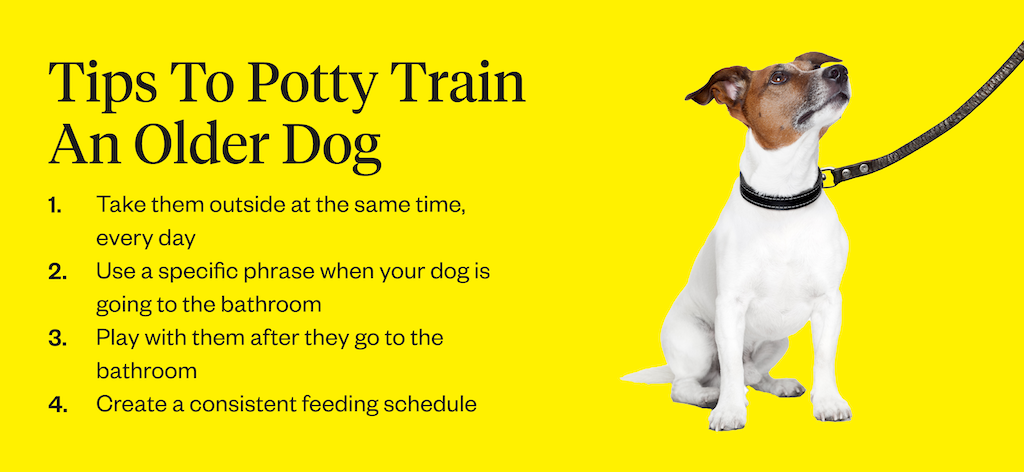
Once medical causes have been ruled out, you can focus on adjusting your potty training routine. Increase the frequency of trips outside, especially after waking up, after meals, and before bedtime. Create a designated potty area that’s easily accessible and well-lit. Positive reinforcement is crucial – reward successful potty breaks with praise and high-value treats.
If an accident happens, use an enzymatic cleaner. Standard soap won't get rid of the scent that tells a dog 'this is a bathroom.' Never scold them for a mess; at this age, it's usually a physical failure, not a behavioral one. For dogs that can't make it through the night, I recommend setting up a dedicated indoor spot with grass pads.
- Rule out infections or diabetes with a vet visit first.
- Increased Frequency: More frequent trips outside.
- Designated Area: Easily accessible and well-lit.
- Positive Reinforcement: Reward successful potty breaks.
- Enzymatic Cleaner: Thoroughly clean accidents.
- Avoid Punishment: Never punish for accidents.
Adapting fetch for stiff joints
Traditional fetch, with its running and jumping, might not be feasible for a senior dog with arthritis or limited mobility. But that doesn’t mean they have to miss out on the fun and mental stimulation of the game. The key is to adapt the game to their physical capabilities. Think of it as "fetch reimagined".
Shorten the distances significantly. A few feet might be all they can comfortably manage. Use softer toys that are easier on their teeth and gums. Instead of throwing, try rolling the ball or gently tossing it a short distance. You might even consider fetch with assistance – using a flirt pole to engage their prey drive or giving them a gentle push to help them retrieve.
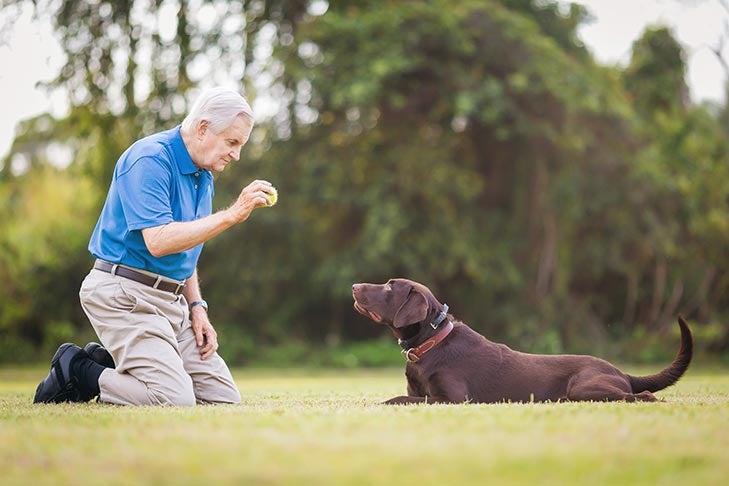
Focus on the "bring it back’ part of the game, even if they can"t retrieve the toy themselves. Encourage them to come to you with the toy in their mouth, and reward them generously. This still provides mental stimulation and reinforces the bond between you and your dog. Remember, the goal isn't about athleticism; it's about engagement.
Even a modified version of fetch can provide significant benefits for a senior dog. It keeps their mind active, provides gentle exercise, and strengthens your relationship. Don’t be afraid to get creative and find what works best for your individual dog. The Petmate website suggests making daily routines fun and engaging, and modified fetch certainly fits that bill.
Positive Reinforcement: The Only Way Forward
When training any dog, positive reinforcement is the most effective and humane approach. But it’s especially crucial when working with senior dogs. Punishment-based methods can increase anxiety, fear, and even lead to medical complications in older dogs. Their bodies are more vulnerable, and their emotional resilience may be diminished.
Positive reinforcement focuses on rewarding desired behaviors, making your dog more likely to repeat them. Different dogs are motivated by different rewards, so it’s important to find what works best for your dog. This could be treats, praise, petting, or even a favorite toy. Experiment to see what gets their attention and motivates them to learn.
Shaping behavior is a powerful technique. This involves rewarding successive approximations of the desired behavior. For example, if you’re teaching your dog to "bring it back," you might first reward them for simply looking at the toy, then for approaching it, then for touching it, and finally for picking it up. Capturing involves rewarding a behavior that your dog offers spontaneously. Luring uses a reward to guide your dog into the desired position.
Positive reinforcement builds confidence and strengthens the bond between you and your dog. It’s a gentle, effective, and enjoyable way to train your senior companion. Instagram posts highlighting senior dog training often emphasize the importance of keeping sessions short and positive, which aligns perfectly with this approach.
Troubleshooting & When to Seek Help
Training a senior dog isn’t always smooth sailing. You may encounter challenges like lack of motivation, frustration, setbacks, or physical limitations. Be patient and understanding, and remember that progress may be slower than with a younger dog. Adjust your expectations accordingly.
If your dog is consistently struggling or showing signs of distress, it’s time to consult with a veterinarian. Medical issues can often masquerade as behavioral problems. A vet can rule out any underlying health conditions and recommend appropriate treatment.
If the problem is behavioral, consider seeking the guidance of a certified professional dog trainer. A qualified trainer can assess your dog’s individual needs and develop a customized training plan. Look for trainers who are experienced in working with senior dogs and who use positive reinforcement methods.
Remember, there are also resources available for training dogs with special needs. These resources can provide valuable support and guidance if your senior dog has specific challenges. Don’t hesitate to reach out for help when you need it. Successful training is about adapting to your dog's needs and celebrating every small victory.


No comments yet. Be the first to share your thoughts!