

Fetch is a learned behavior, not an instinct
Many owners assume their dog already knows how to play fetch and just needs a ball. In reality, fetching is a complex chain of behaviors: chase, grab, hold, return, and release. As the American Kennel Club notes, the first step is often teaching the dog to simply hold the object in their mouth, which is a skill that must be built from scratch for most pets.
This is where patience and the right tools meet. While some breeds have a natural retrieval drive, others need to be taught that picking up a toy is fun and rewarding. The goal isn't just to throw something; it's to create a positive association with the entire sequence. Without this foundational understanding, a dog might chase the ball but ignore the return, or grab it and run away.
Automation and consistent training methods help bridge this gap. By breaking the game into small, manageable steps, you allow your dog to succeed at each stage before moving to the next. This approach reduces frustration for both you and your pet, turning what could be a confusing game into a clear, enjoyable routine.
Step-by-step fetch training basics
Teaching a dog to fetch is less about the throw and more about the handoff. Many owners rush to toss the ball down the yard before their dog understands the core mechanics: pick it up and bring it back. If you skip the basics, you’ll end up chasing your dog or playing a game of keep-away that frustrates both of you.
The secret to a reliable fetch is mastering the "hold" and "release" commands while the dog is standing right in front of you. Once your dog understands that returning the toy to your hand is the goal, you can gradually increase the distance. This method builds confidence and ensures your dog sees you as the source of fun, not just the person who makes the toy disappear.

Start by holding a tug toy or ball in your hand. Get your dog excited and amped about the toy. Instead of throwing it far, toss it just a few feet away, right in front of your dog. Use an excited tone and encouraging gestures to entice them to chase and pick it up. The goal here is simply to get the dog to engage with the object.
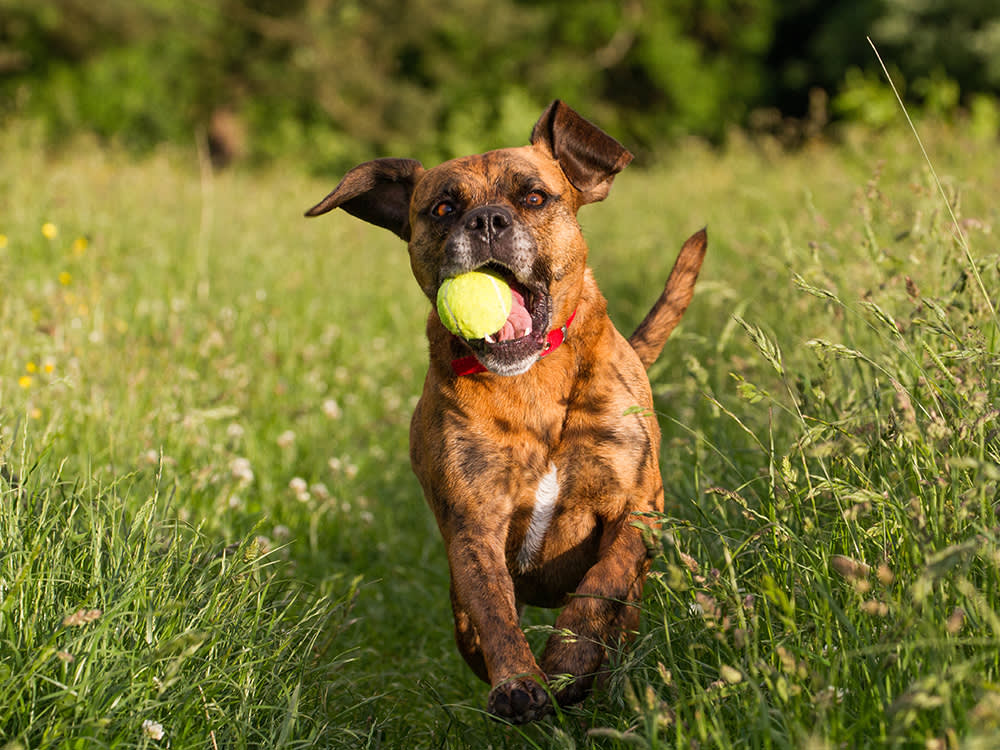
As soon as your dog grabs the toy, approach them calmly. Gently place your hand under their lower jaw or mouth. This physical cue signals that the toy is coming back to you. If your dog is resistant, try trading the toy for a high-value treat. You are teaching them that letting go of the toy leads to good things, not the end of the fun.
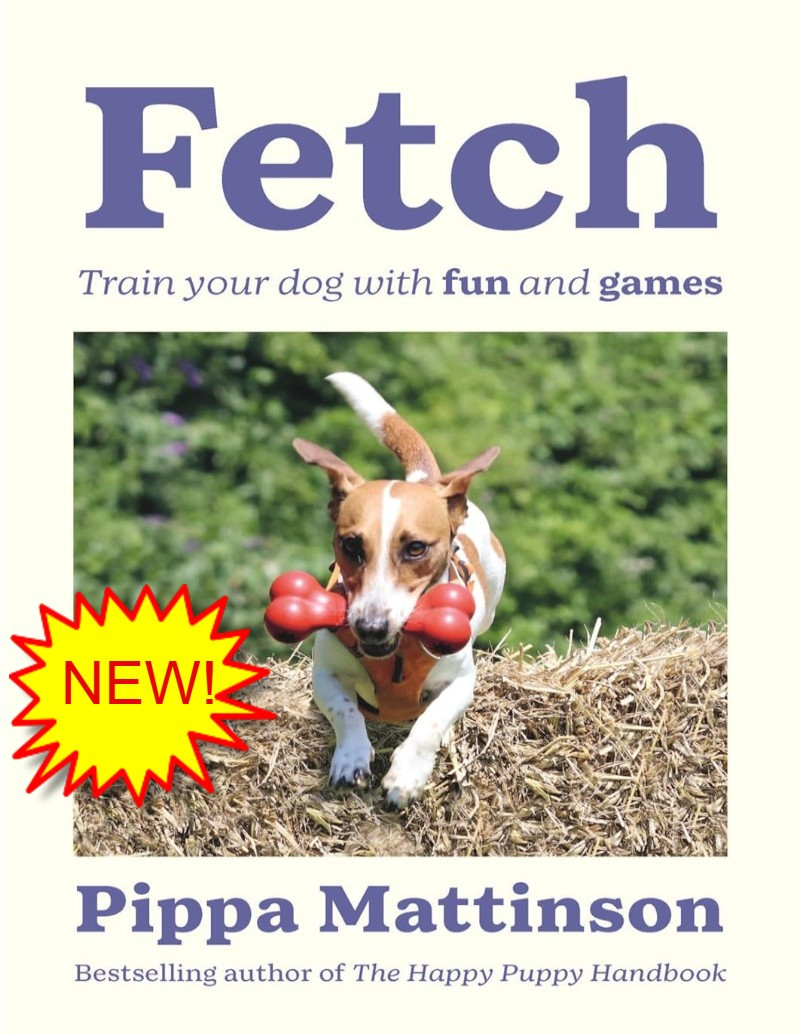
The moment your dog opens its mouth to release the toy, mark the behavior with a verbal "yes" or a clicker, and immediately give a treat. You can also praise enthusiastically. This reinforces the "release" command. Repeat this short interaction multiple times in one session. Keep it brief so the dog stays interested and doesn’t get bored.
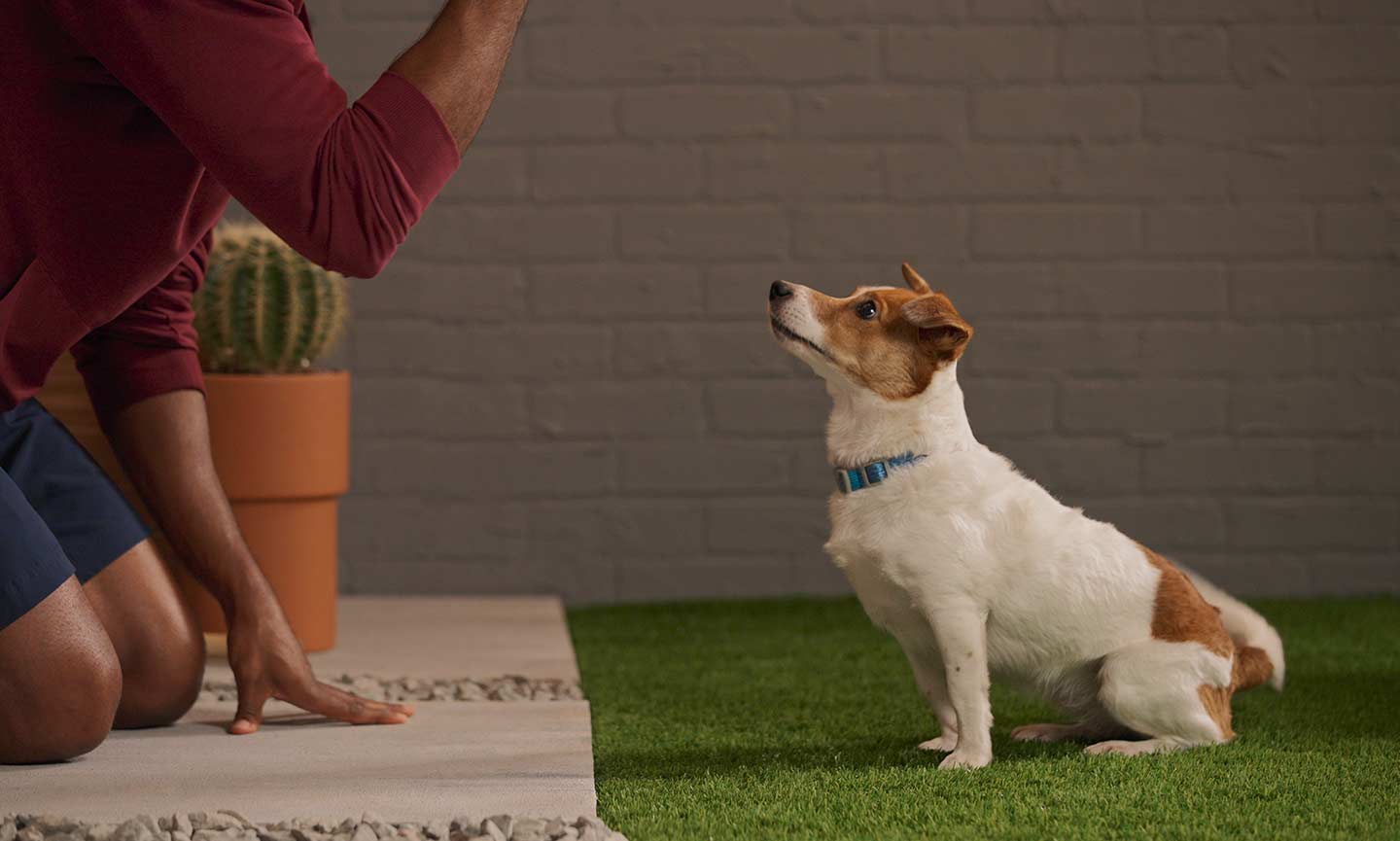
Once your dog consistently brings the toy to your hand and releases it, you can start adding distance. Toss the toy a few feet further than before. If your dog struggles, go back to a shorter distance. Consistency is key. Ask your dog to "sit" before you throw the ball to create a structured routine. This helps them understand that the game is over when they sit and release.
This process requires patience. Some dogs pick it up quickly, while others need more time to understand the game. If you feel frustrated, take a break and try again later. The goal is to make fetch a joyful game for both of you, not a chore.
best automated fetch machines for dogs
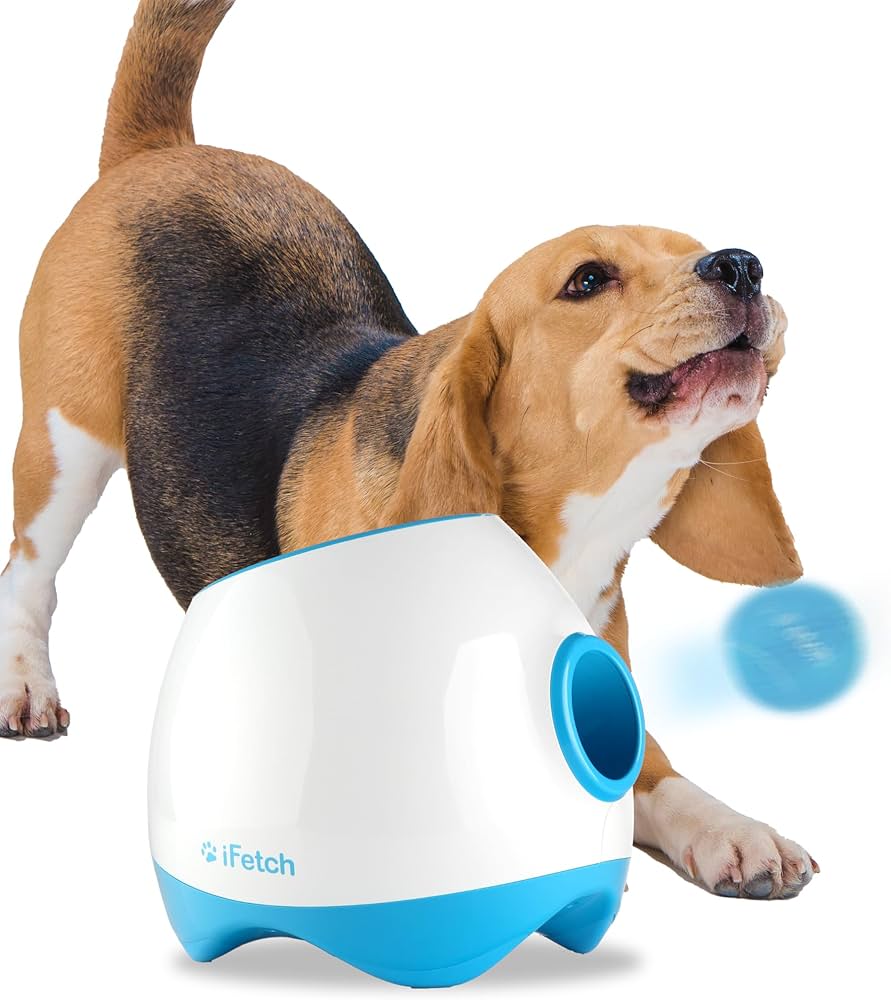
Teaching a dog to fetch is a rewarding exercise, but the physical toll on your arm can be steep. Automated fetch machines offer a practical solution, allowing you to set up a game that your dog can play independently. These devices turn a backyard into a personal court, letting your dog chase and retrieve balls without constant human intervention. However, not every machine suits every dog. The right choice depends on your dog's size, the terrain you have, and how durable the device needs to be to withstand enthusiastic play.
When selecting an automated fetcher, prioritize safety and compatibility. A machine that shoots a ball too fast or too far for a small dog can cause injury or anxiety. Conversely, a machine that cannot handle a large, powerful retriever may break quickly. Look for adjustable settings that allow you to control distance and speed. Also, consider the power source; battery-operated models offer portability, while plug-in units provide consistent power for longer sessions. Always supervise your dog during initial uses to ensure they understand how to interact with the machine safely.
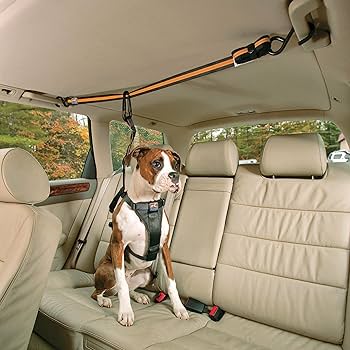
Below are some of the most highly regarded automated fetch machines on the market. These options vary in price and feature set, so consider your specific needs before purchasing. Each product is designed to make fetch more accessible and less physically demanding for owners, while providing endless entertainment for dogs.


As an Amazon Associate, we may earn from qualifying purchases.
To help you compare these options quickly, here is a breakdown of key specifications. Pay attention to the ball size compatibility, as most machines only work with specific types of tennis balls or proprietary balls. Durability and power source are also critical factors for long-term use.
Choosing the right fetch toy for your dog
The toy you pick sets the stage for the entire game. A mismatched ball can turn a fun session into a frustrating tug-of-war, while the right tool makes the "hold" phase of training stick. Since fetch training takes time and patience, starting with gear that matches your dog’s size and chewing style prevents early burnout.
Size matters most. For small breeds, a tennis ball is often too large and heavy, leading to awkward neck angles. A soft, lightweight rubber ball or a small plush toy fits better in their mouth, making it easier for them to learn the "drop it" command. Large breeds need something durable enough to withstand powerful jaws without disintegrating into swallowable chunks.
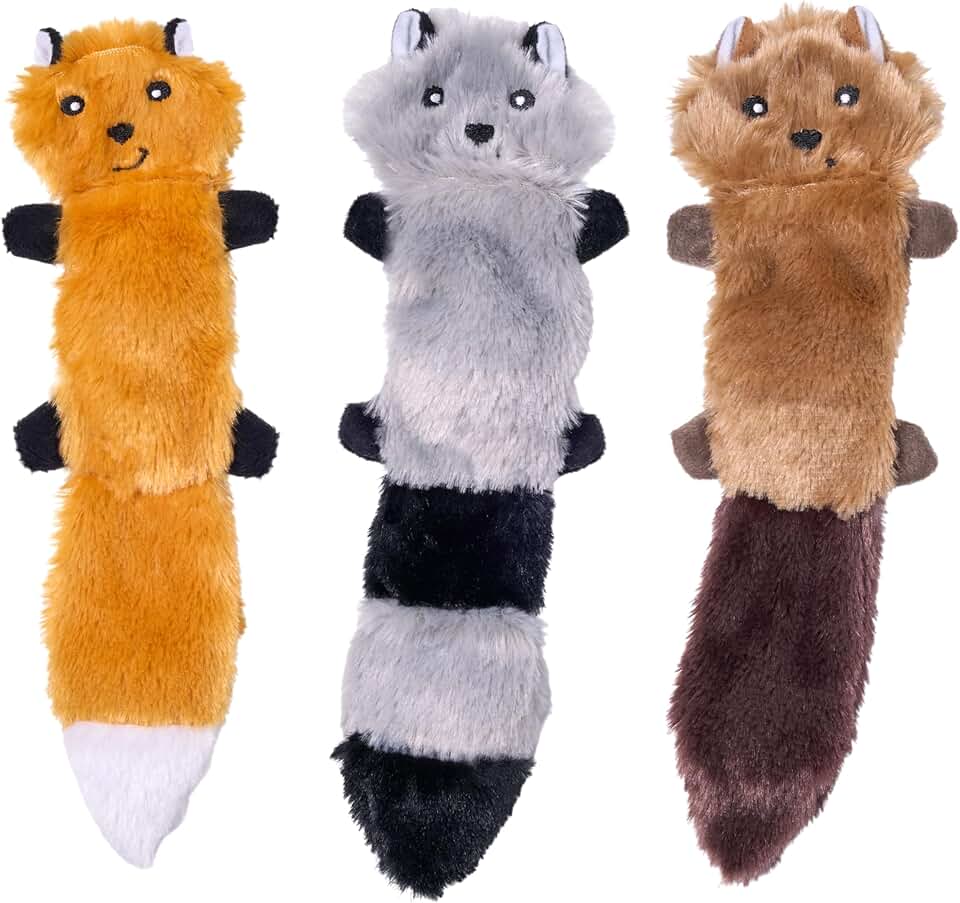
Material choice balances durability with safety. If your dog is a gentle retriever, a plush toy with a squeaker adds engagement and keeps them interested during the early learning stages. For aggressive chewers, solid rubber balls like the Kong Classic provide the necessary resilience. Avoid toys with small, detachable parts that could pose a choking hazard if the toy is destroyed.
Match the toy to the engagement level. Some dogs need high-texture surfaces to maintain grip, while others prefer smooth, bouncy objects that encourage running. Observing what naturally captures your dog’s attention can guide you toward the right category, whether that’s a rugged ball for the park or a soft toy for indoor play.


As an Amazon Associate, we may earn from qualifying purchases.
Common mistakes when teaching fetch
Teaching fetch is less about the throw and more about the return. Many owners stop training because they misinterpret their dog’s behavior as stubbornness when it’s actually confusion or a lack of clear direction. Here are the most frequent pitfalls and how to fix them.
Dropping the toy too early
If your dog picks up the toy but drops it before reaching you, the reward isn’t valuable enough or the distance is too great. Start with a high-value tug toy that triggers their prey drive. When they grab it, run away from them in the opposite direction. This turns the "return" into a game of chase rather than a chore. Only ask for the "drop" once they are right in front of you, and immediately reward the release with praise or a treat.
Refusing to come back
A dog that runs off with the toy is often confused about the rules. This usually happens when the throw is too far before the dog understands the concept. Keep initial throws very short—just a few feet. Use an excited, encouraging tone to draw them back. If they ignore you, avoid chasing them, as this can turn into a game of chase they enjoy more than the return. Instead, use a consistent cue like "come" or "mine" and reward heavily when they finally approach.
Inconsistent cues
Dogs thrive on routine. If you sometimes say "fetch," other times "get it," and other times just throw the ball without a word, your dog will struggle to connect the action with the command. Pick one clear verbal cue for the throw and another for the return. Keep your body language consistent; a predictable routine helps the dog understand exactly what is expected at each step of the process.
Frequently asked questions about fetch training
Is it hard to teach a dog to fetch?
Yes, all dogs should be able to learn how to fetch and retrieve, but some dogs are quicker on the uptake than others. Some dogs need more time to understand what you want, or to learn to enjoy the game. If you want to teach your dog to play fetch, give it enough time to learn how the game works.
What should I do if my dog doesn't bring the toy back?
Start with a tug toy and get him amped about it, get him to let go, then throw a small distance. Once he grabs it, excitedly run a short way in the opposite direction to encourage him to chase you. This turns the retrieve into a game of chase rather than a chore.
How long does it take to train a dog to fetch?
Training duration varies by breed and individual patience. While some dogs grasp the concept in a few sessions, others may take weeks to consistently return the item. Consistency and positive reinforcement are more important than speed.
No comments yet. Be the first to share your thoughts!