

Start with the right toy
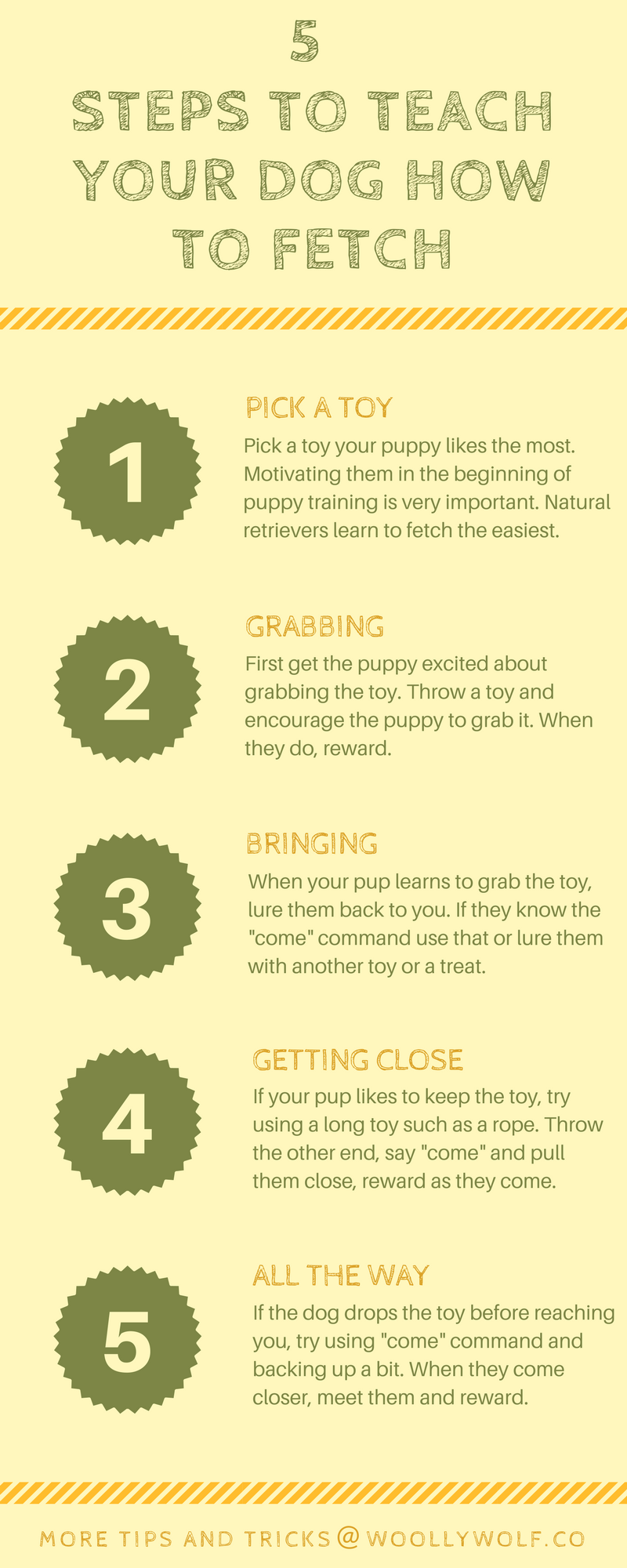
Start Teaching Dogs to Fetch with the constraint that matters most in real life: space, timing, budget, skill level, maintenance, or availability. That first constraint should shape the rest of the plan instead of appearing as an afterthought. Keep the first pass simple enough to verify. Compare the main options against the same criteria, remove choices that only work in ideal conditions, and save optional upgrades for later.
| Factor | What to check | Why it matters |
|---|---|---|
| Fit | Match the option to the primary use case. | A good deal still fails if it does not fit the job. |
| Condition | Verify age, wear, and service history. | Hidden condition issues erase upfront savings. |
| Cost | Compare purchase price with likely upkeep. | The cheapest option is not always the lowest-cost option. |
Build the hold and return
Teaching a dog to fetch begins with two foundational skills: holding a toy willingly and returning to you on command. These steps transform a chaotic chase into a structured game. Without a solid hold, the dog drops the item. Without a reliable return, the game ends before it truly begins.
Teach the hold
Start by offering your dog a toy. Let them take it into their mouth. Immediately reward them with a treat while the toy is still in their mouth. This teaches the dog that keeping the object in their mouth leads to positive outcomes.
Gradually increase the time between the toy taking and the treat delivery. Aim for a "loose mouth" hold where the dog grips the toy gently rather than biting down hard. If the dog tries to chew aggressively, pause the interaction until they soften their grip. Use a clear cue like "hold" or "take" consistently during this phase.
Encourage the return
Once your dog can hold the toy for several seconds, introduce the return. Stand a few feet away and use an enthusiastic voice to call your dog. When they approach you with the toy, reward them generously. Do not force the toy out of their mouth; instead, trade the toy for a high-value treat. This trade teaches the dog that returning the item results in something even better.
If your dog drops the toy before reaching you, do not scold them. Simply reset and try again from a shorter distance. Success builds confidence. As they become more reliable, gradually increase the distance between you and your dog.
Refine the sequence
Combine the hold and return into a single fluid motion. Ask for the hold, wait a moment, then cue the return. Reward immediately upon arrival. Repeat this sequence in short, frequent sessions to reinforce the behavior. Consistency is key to making fetch a natural and enjoyable game for your dog.
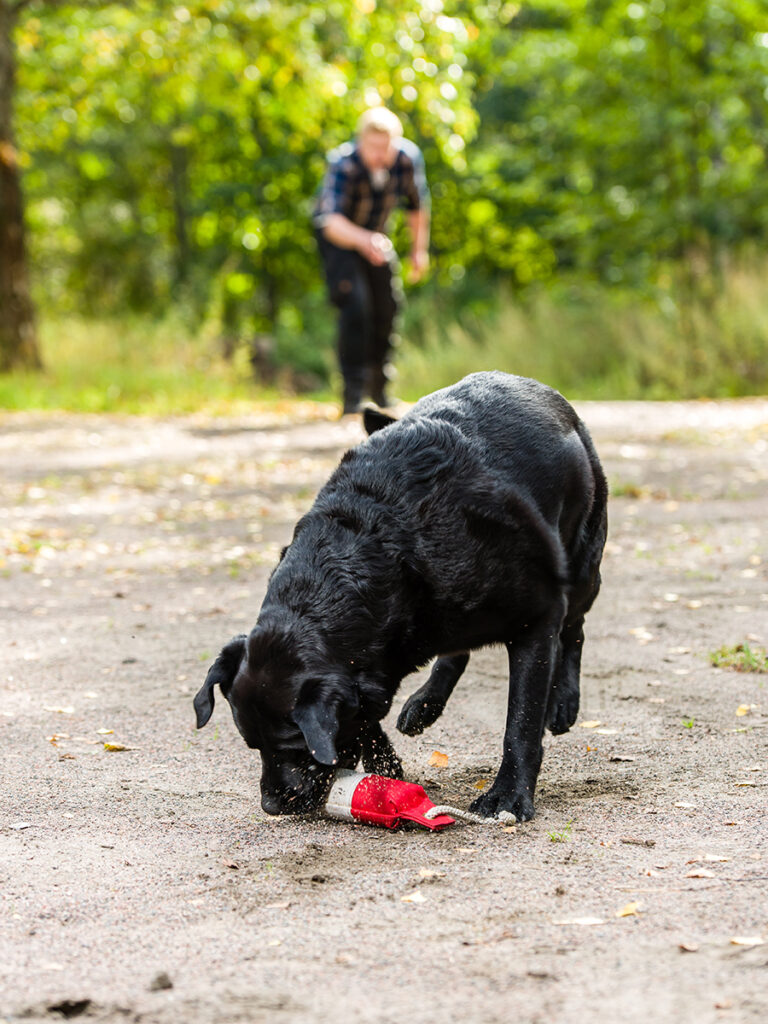
Present the toy and give a treat the moment your dog takes it. Keep the toy in their mouth to reinforce the grip.
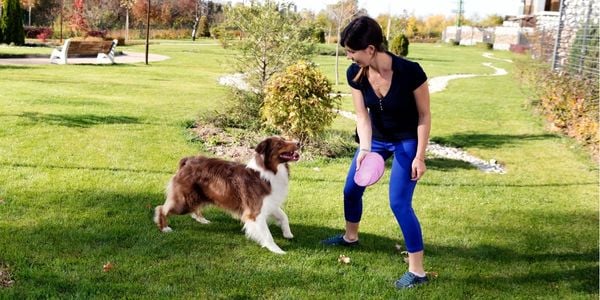
Wait a few seconds before offering the next treat. This builds patience and strengthens the "hold" command.
Step back and call your dog. Trade the toy for a high-value treat when they return, encouraging them to bring it to you.
Start indoors or in a quiet yard. Remove distractions so your dog can focus entirely on the hold and return sequence.
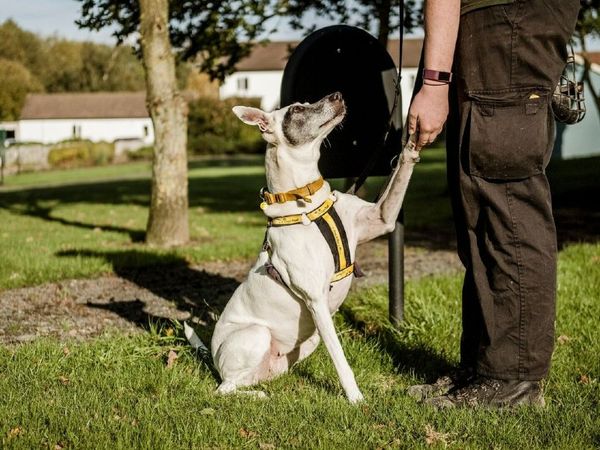
As your dog succeeds, increase the distance you stand apart and the length of time they must hold the toy before returning.
Add distance and drive
Once your dog reliably picks up the toy and returns, it is time to stretch the leash of their enthusiasm. The goal is to gradually increase the throw distance without breaking the connection between the toy and the return. If you throw too far too fast, the dog may lose interest or forget the final step: coming back to you.
Start by tossing the toy just a few feet away. Use an excited voice and encouraging gestures to entice them to chase. If your dog drops the toy mid-run, gently lure them back with your hand or a treat, then praise them for completing the circle. This reinforces that the game ends with you, not the toy.
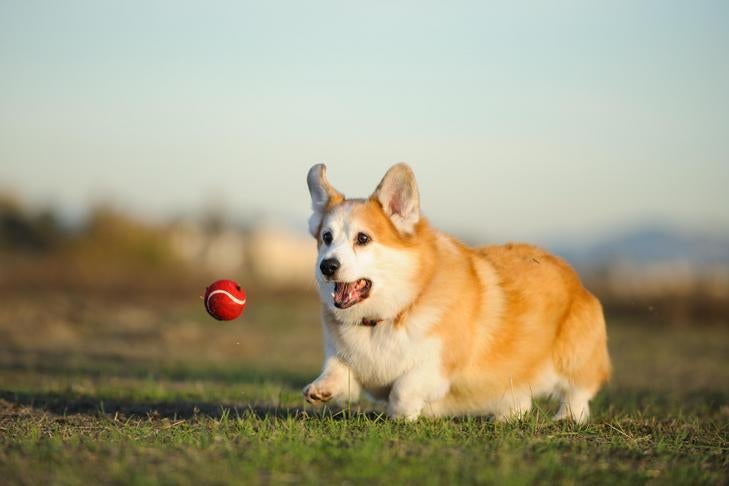
As confidence grows, extend the distance incrementally. Wait for the dog to relax and look at you before the next throw. This pause ensures they are engaged with you rather than just fixated on the object. If the dog seems frustrated or confused, step back to the previous successful distance. Patience here prevents the formation of bad habits later.
Remember, fetch is a loop. The return is just as important as the chase. By keeping the distances manageable and the rewards consistent, you build a dog that sees fetching as a collaborative game with you, not just a solo sprint.
Use fetch machines for solo play
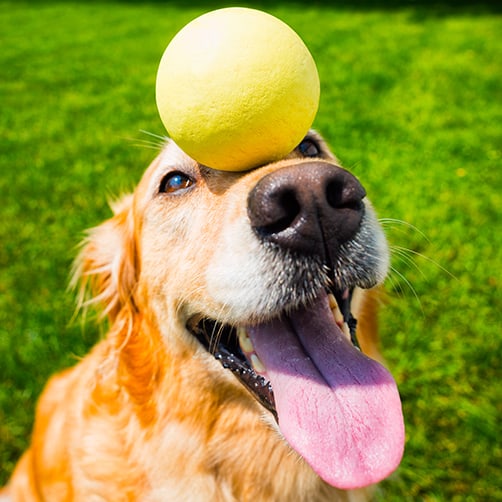
When you need to extend your dog’s exercise routine without constant human effort, automated fetch machines are a practical solution. These devices allow you to set a distance and speed, letting your dog chase and retrieve balls independently. This setup is particularly useful for high-energy breeds or busy owners who want to ensure their dog gets adequate physical activity.
Introducing a fetch machine requires patience. Start by letting your dog investigate the stationary device. Use treats to create positive associations, rewarding calm curiosity. Once your dog is comfortable, activate the machine at the lowest setting. Keep initial sessions short to prevent overexcitement or frustration.
Monitor your dog’s interaction closely during the first few weeks. Some dogs may be startled by the sudden launch of the ball. If this happens, reduce the distance or speed until your dog feels confident. Never leave your dog unattended with the machine, as small parts can pose a choking hazard or the device might malfunction.
Choose a machine that matches your dog’s size and play style. For smaller breeds, look for units designed for tennis balls or smaller rubber spheres. Larger dogs may require heavy-duty models capable of launching standard tennis balls further. Always select durable, non-toxic materials to ensure safety during vigorous play.
Fix common fetch mistakes
Even with a solid plan, dogs often hit snags. The most frequent issue is dropping the toy too early. If your dog drops the ball before reaching you, you’re likely rewarding the wrong behavior. Stop the game the moment the toy hits the ground. Wait for eye contact, then resume. This teaches them that holding the item until they reach your hand is what keeps the fun going.
Another common pitfall is ignoring the recall. If your dog runs off with the toy, they’ve learned that fetching leads to a chase game, not a return. If they bolt, do not chase them. Chasing reinforces the prey drive. Instead, use a high-value treat to lure them back to you. Once they are close, trade the toy for the treat. This breaks the cycle and keeps you in control.
Some dogs simply lack the drive to retrieve. If your dog ignores the ball, try a tug toy instead. Get them amped up on the tug, then encourage them to let go. Once they release, throw the toy a short distance. Reward the interest, no matter how small. Building enthusiasm is more important than perfect form at this stage.
Watch a fetch training demo
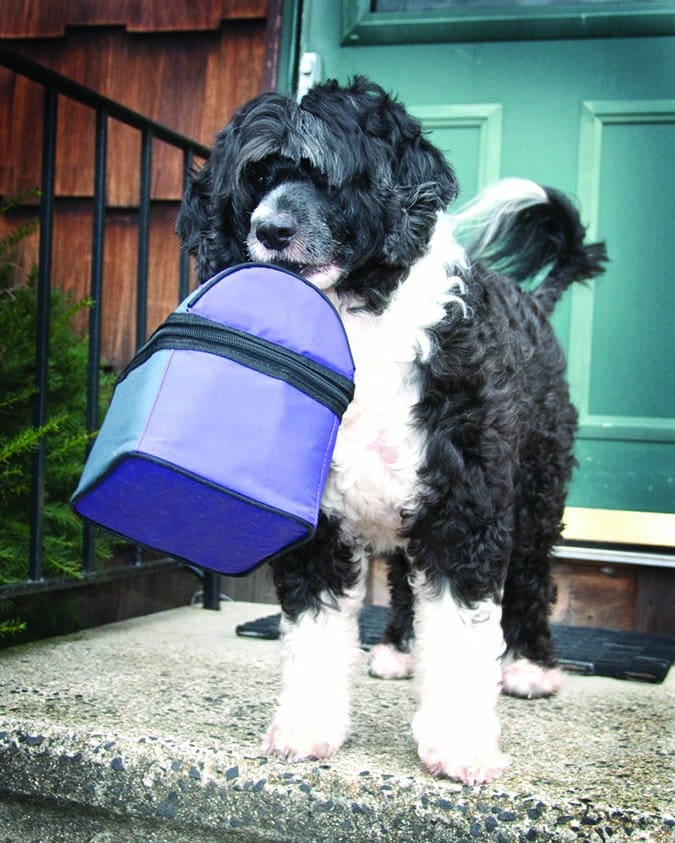
Seeing the technique in action clarifies the timing and hand signals that are difficult to describe in text alone. This video breaks down the exact steps for teaching your dog to fetch, from the initial hold to the final return.
Fetch training checklist
Use this checklist to track your progress and ensure you haven’t skipped any critical steps in teaching your dog to fetch. Mastering this game requires breaking the behavior down into small, manageable milestones rather than expecting immediate success.
- Select a high-value toy: Choose one specific toy that your dog loves most and reserve it exclusively for fetch sessions to build motivation.
- Teach the "drop it" command: Before tossing the toy, ensure your dog knows how to release it on cue to make the retrieval loop possible.
- Encourage approach: Gently toss the toy a short distance and use an excited tone to entice your dog to pick it up.
- Build the return: Once your dog grabs the toy, run a short distance in the opposite direction to encourage them to chase you back.
- Reward the exchange: Immediately praise and treat when your dog returns and drops the toy into your hand or a designated spot.
Common questions about fetch
Training your dog to fetch is less about the throw and more about building a loop of interest and return. If you are stuck on the basics, the secret is often working backwards in small steps rather than expecting an instant grab.
How long does it take to teach fetch?
Most dogs learn the basic sequence in a few short sessions. If your dog chases but won’t return, the issue is usually the release, not the chase. Use a high-value treat to trade for the toy the moment they turn back to you. Consistency in the "drop" command is faster than waiting for the dog to figure it out alone.
What if my dog is shy or loses interest?
Shyness often stems from the toy being too unpredictable or the environment too loud. Start with a tug toy to build confidence and excitement on the ground before tossing it. If your dog loses interest, switch to their absolute favorite toy and make fetch exclusive; only play the game with that specific item. This creates a strong association between the toy and the fun of the game.
Can I use any toy for fetch?
Not all toys work well. A ball that bounces erratically can frustrate some breeds, while a heavy rope might be too hard to carry. Choose a durable, easy-to-grip toy that you can easily toss short distances. As the dog improves, you can gradually increase the throw distance, but start with a gentle roll or short toss to keep the energy high and the success rate higher.
No comments yet. Be the first to share your thoughts!