

VR moves into the backyard
Virtual reality is moving into dog training to solve a specific problem: the real world is messy. Traditional reinforcement works, but you can't always control the stray cat that runs across the park or the cyclist that zooms by during a session. VR creates a sandbox where we can dial distractions up or down without the safety risks of a public space.
The idea isn’t just about entertainment; it's about creating a space where dogs can learn without the risks and inconsistencies of the outside world. It’s still early days for VR dog training, and widespread adoption isn't here yet. However, the technology is rapidly improving, and interest is growing among trainers and behaviorists. We're seeing a real shift in thinking about how we can leverage technology to improve canine learning.
Top Tier K9 is one organization at the forefront of this movement, pioneering the application of VR to dog training. They’re focusing on taking training to an 'application level,' meaning dogs can reliably perform behaviors in a variety of contexts. 2026 feels like a potential turning point, where VR training could move from a niche innovation to a more mainstream tool for dog owners and professionals.
Fixing leash reactivity with digital triggers
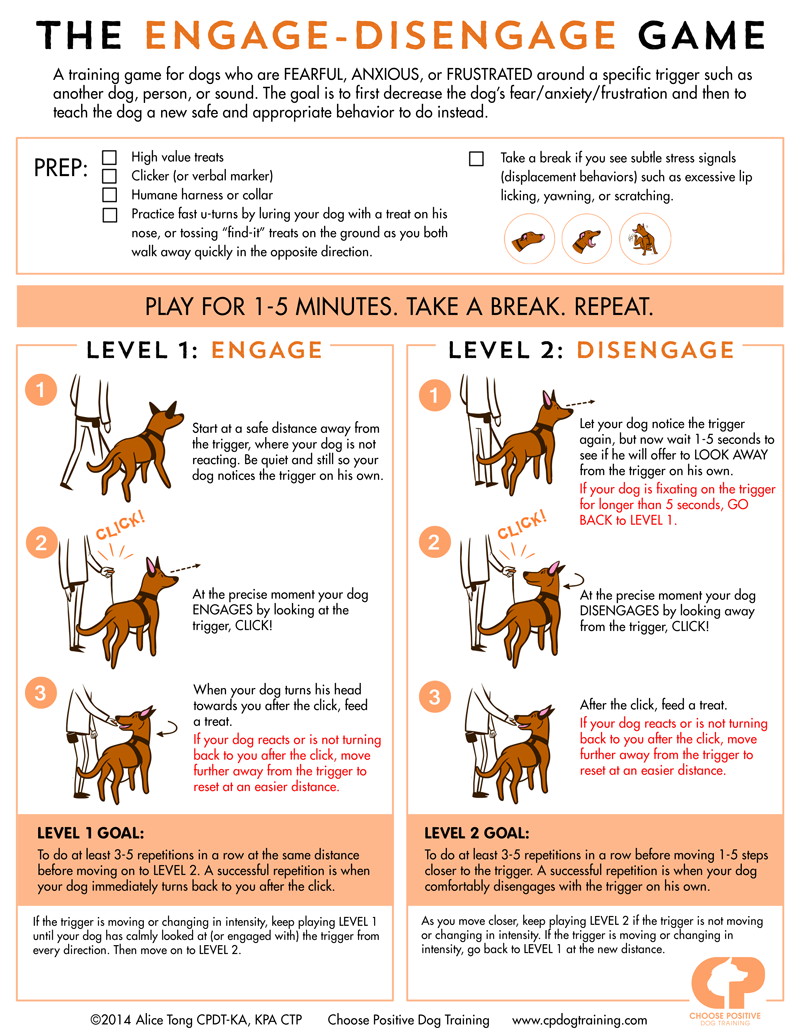
Leash reactivity—a dog’s tendency to bark, lunge, or otherwise react strongly to stimuli while on a leash—is a common and frustrating problem for many dog owners. It’s also incredibly difficult to address effectively using traditional methods. Real-world exposure can be unpredictable; a sudden appearance of a trigger (another dog, a cyclist) can set the dog back, and safety is always a concern for both the dog and those around them.
An overstimulated dog can't learn. If they're already lunging, the training session is effectively over. With VR, we can place a 'trigger' dog 50 yards away in a digital field and keep it there. We aren't at the mercy of another owner's bad leash handling. It lets the dog stay under their threshold so the training actually sticks.
The level of control is remarkable. Trainers can adjust the size, speed, and proximity of the virtual stimuli. They can even introduce multiple triggers simultaneously, building up the complexity of the scenario over time. This allows dogs to practice calm behavior in the presence of triggers without the risk of escalating into a full-blown reaction. Customization is key – a VR environment can be tailored to the specific triggers that affect a particular dog.
Making the virtual world feel real
Creating an effective VR training environment isn’t as simple as just throwing a few virtual objects into a headset. The level of fidelity and immersion is critical. While a cartoonish environment might be sufficient for some basic training exercises, addressing complex behavioral issues like leash reactivity requires a more realistic and engaging experience. How realistic does it need to be? That’s a question researchers are actively exploring.
Visual fidelity is important, but it's not the only factor. The inclusion of realistic sound is also crucial—the sound of approaching footsteps, barking dogs, or traffic can all trigger a reaction. Scent integration is a more challenging area, but some researchers are investigating ways to incorporate olfactory stimuli into VR environments. The goal is to create an experience that is as close to the real world as possible, without the associated risks.
However, realism isn’t enough. The environment must also generalize well to the real world. A dog that learns to remain calm in a VR scenario needs to be able to transfer that behavior to similar situations in its everyday life. This requires careful planning and a focus on creating scenarios that are relevant to the dog’s real-world experiences. Haptic feedback—simulating the feel of pressure on the leash—could be another valuable tool, but its implementation presents technical challenges.
Behavioral Correction: Beyond Leash Skills
The potential of VR extends far beyond just leash reactivity. It can be a powerful tool for addressing a wide range of behavioral issues. For dogs with separation anxiety, VR can create a simulated home environment where they can be gradually exposed to the sights and sounds of their owners leaving, without actually experiencing the distress of abandonment.
Similarly, dogs with fear of noises (thunder, fireworks) can be gradually desensitized to these stimuli in a safe, controlled VR environment. The ability to control the intensity and duration of the stimulus is a major advantage. VR can also be used to prepare dogs for veterinary procedures. By simulating a vet exam—including handling, nail trims, and temperature checks—dogs can become more comfortable with these experiences.
It’s important to emphasize that VR is not a replacement for qualified trainers and behaviorists. It’s a tool to enhance training, not replace it. Ethical considerations are paramount. VR should be used responsibly and in conjunction with positive reinforcement methods. It’s about creating a positive learning experience for the dog, not forcing them into uncomfortable situations.
Why trainers still matter
VR training isn’t about handing a headset to a dog and hoping for the best. A skilled human trainer is essential to the process. They’re the ones who design the training plan, monitor the dog’s progress, and provide feedback. Trainers can use VR to create customized scenarios tailored to the dog’s specific needs and challenges.
VR also allows for remote monitoring and feedback. A trainer can observe a dog’s behavior in VR from a distance, providing real-time guidance and adjustments. This is particularly valuable for clients who live far away or have limited access to in-person training sessions. The key is to combine VR training with real-world practice.
The 2026 Dog Behavior Conference promises to be a significant event for the field of VR dog training, bringing together experts and practitioners to share knowledge and discuss the latest advancements. It will likely shape the future direction of this exciting new technology and how it’s integrated into professional training programs. This collaboration is vital for responsible and effective implementation.
The hardware struggle
The hardware side of VR dog training is still in its early stages. Currently, most systems rely on modified VR headsets designed for humans, adapted to fit a dog's head. This presents several challenges—comfort, safety, and ensuring a clear field of vision are all critical considerations. Designing a headset that is lightweight, adjustable, and doesn't obstruct the dog’s natural movements is a complex engineering task.
On the software side, essential features include the ability to create and customize virtual environments, control the intensity and duration of stimuli, and track the dog's behavior. Some developers are exploring the use of AI to create more dynamic and responsive VR environments—environments that adapt to the dog’s behavior in real time. We’re not seeing widespread SDKs or package availability yet, but expect this to change.
The ideal system would offer a seamless and intuitive user interface for trainers, allowing them to easily create and modify training scenarios. Integration with existing training tools and data analysis platforms would also be highly valuable. The development of specialized hardware and software tailored specifically for dogs is crucial for unlocking the full potential of VR training.
Would you consider using VR technology as a tool to help train your dog?
Virtual reality is emerging as a new frontier in dog training, offering simulated environments for leash training and behavioral correction. We want to hear from our Far Fetchers community — where do you stand on this innovative approach? Vote below!

No comments yet. Be the first to share your thoughts!