

Senior dogs are taking over TikTok
TikTok is currently full of grey muzzles and slow-motion zoomies. In 2026, senior dogs are the biggest stars on the app. Accounts like @OldManFitzwilliam, a 14-year-old Beagle mix, and @PrincessPoppyThePug have millions of followers who tune in just to watch them nap or walk to their food bowls. It feels like a real shift in what people want to see online.
This surge in popularity seems to be a reaction against the relentless pace of online life. While younger dogs and flashy tricks often grab attention, senior dogs offer something different: a sense of calm, authenticity, and heartwarming companionship. People are craving wholesome content, and these dogs deliver in spades. The trend isn’t about showcasing perfection; it’s about celebrating the beauty of aging and the unwavering love our canine companions offer throughout their lives.
A year ago, the algorithm was all about high-energy puppies. Now, a video of an old dog sleeping can get a million views. TikTok’s creative center data shows a 300% jump in views for #seniordogsoftiktok since 2025. I think we're all just tired of the noise and want something quieter.

Old dogs can actually learn
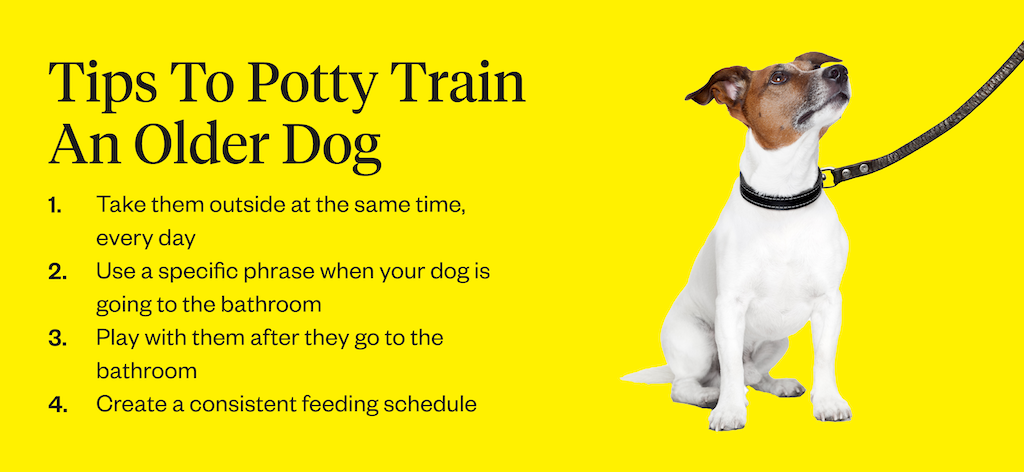
The idea that you can't teach an old dog new tricks is wrong. Older dogs are capable of learning, you just have to change how you teach them. I've seen 12-year-olds learn to 'speak' or use buttons just as well as puppies.
The canine brain possesses neuroplasticity – the ability to form new neural connections – throughout its life. While it’s true that learning might not happen as quickly as it did in puppyhood, older dogs can still acquire new skills and behaviors. Farfetchers.com highlights that this neuroplasticity means that even senior dogs benefit from mental stimulation and continued learning.
However, motivation is key. An older dog might not be as driven by the same things as a younger one. A high-value treat or a gentle game might be more effective than intense physical activity. It's about finding what your dog responds to. Their learning style may also change; they might need more repetition or a quieter environment. The goal isn't necessarily to master complex tricks, but to keep their minds engaged and their spirits high.
Working around stiff joints and cloudy eyes
Training a senior dog requires sensitivity and an awareness of their physical limitations. Arthritis is incredibly common, impacting mobility and causing discomfort. Vision and hearing loss can also make it harder for them to understand cues and navigate their surroundings. Reduced stamina means they tire more easily, so long training sessions are a no-go.
Modifying techniques is essential. Opt for low-impact exercises – think short walks and gentle stretches instead of high-intensity games. Avoid asking them to jump or climb stairs. If you’re working on recall, shorten the distance and use clear, audible cues. Ramps can be incredibly helpful for accessing furniture or vehicles, reducing strain on their joints.
Talk to your vet before you start a new routine. They can check for heart issues or hidden pain that might make training dangerous. If your dog starts panting heavily or limping, stop. There is no reason to push them.
- Get a vet checkup first
- Keep it under 10 minutes
- Focus on low-impact exercises.
- Use clear and consistent cues.
- Be patient and understanding.
- Monitor for signs of discomfort.
A gentler version of fetch
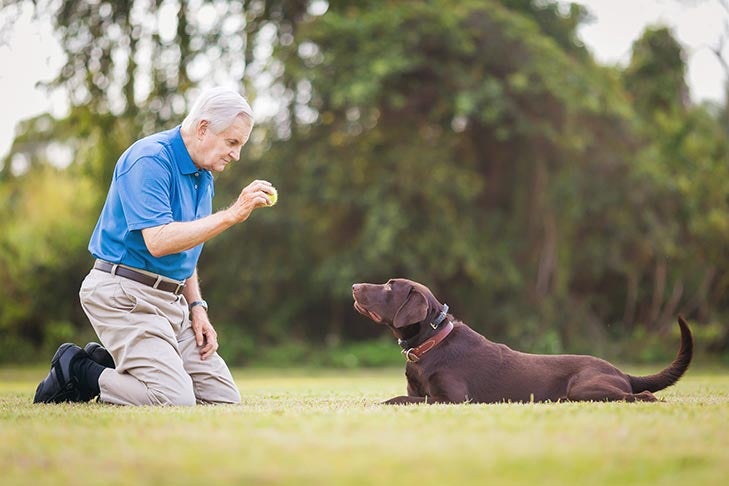
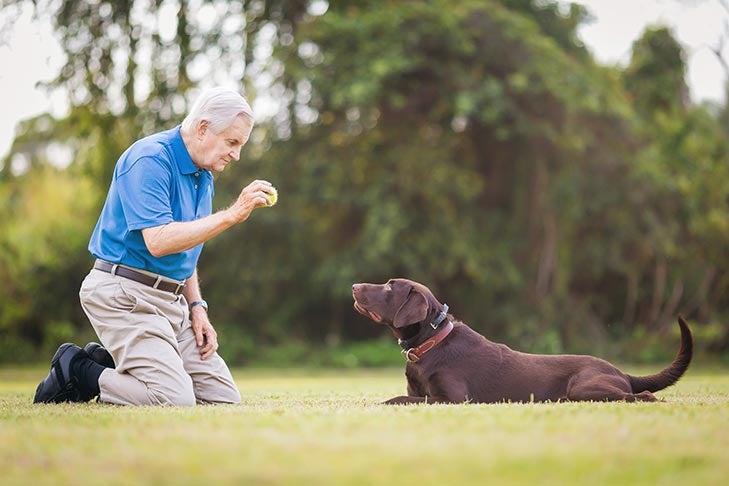
Fetch is a fantastic activity for senior dogs, providing both physical and mental stimulation. But, like all training, it needs to be adapted to their individual needs. Shorter distances are key. Don't expect them to sprint across a field; a few feet in the living room might be plenty.
Consider the toy. A softer, lighter toy will be easier on their teeth and gums. Avoid anything that’s too hard or could cause injury. Farfetchers specializes in interactive fetch toys designed for various ages and abilities, and their softer options are excellent for seniors. The iFetch Too, for example, can be used on a gentler setting.
A fetch machine can be a game-changer, reducing the strain on their joints. No more throwing for extended periods! Machines like the Farfetchers Home Fetch can launch the ball a short distance, allowing your dog to retrieve it at their own pace. Ramps leading to the machine can also make it easier for dogs with mobility issues. Remember, the goal isn’t to build endurance, but to provide a fun and engaging activity.
Beyond the physical aspects, fetch can help maintain cognitive function in senior dogs. The anticipation, tracking, and retrieving process all require mental effort, helping to keep their minds sharp. It’s a wonderful way to bond with your dog and provide them with a sense of purpose.
Rewards work better than pressure
Positive reinforcement is always important in dog training, but it’s especially crucial when working with senior dogs. They may be less motivated by traditional rewards, and they’re certainly more sensitive to criticism or pressure. Patience, encouragement, and celebrating small victories are the name of the game.
Instagram trainers consistently recommend keeping training sessions short and sweet, focusing on one or two cues at a time. This aligns with the advice from PawChamp.com about respecting their limitations and avoiding frustration. Different dogs are motivated by different things. Some might respond to tasty treats, while others prefer praise, petting, or a favorite toy.
Take the time to discover what motivates your dog. Experiment with different rewards and observe their reaction. A gentle "good dog’ and a loving scratch behind the ears can be just as effective as a high-value treat. The key is to create a positive and enjoyable experience for both of you. Remember, you’re not trying to force them to perform; you"re trying to build a stronger bond and enhance their quality of life.
TikTok Trends & Senior Dog Success
- Positive Reinforcement is Key - Trainers are consistently seeing success using reward-based methods with senior dogs, proving they *can* learn new things, even in their golden years. Many are sharing videos of slow, patient training sessions.
- Short, Frequent Sessions - The trend emphasizes breaking down tricks into very small steps and keeping training sessions brief (2-5 minutes). This caters to the potentially shorter attention spans and energy levels of older dogs.
- Adaptations for Physical Limitations - Owners are creatively modifying tricks to accommodate arthritis or other age-related physical challenges. For example, teaching a 'wave' instead of a full 'sit pretty'.
- Mental Stimulation Benefits - A significant theme is the positive impact training has on a senior dog’s cognitive function, helping to keep them mentally engaged and slowing down age-related decline.
- @OldManRiver_Says (Feb 14, 2026) - 'Proof that 12 is NOT too old to learn 'spin'! Patience, high-value treats (cheese is his weakness!), and celebrating *every* tiny win. #seniordogtraining #positivereinforcement'
- @FetchFanatic (March 2, 2026) - 'My 14yo lab, Gus, finally mastered 'find it' with his favorite Chuckit! ball. It’s amazing how much joy a little mental exercise gives him. #seniordoglife #fetch #dogtraining'
- @GreyMuzzleMom (March 15, 2026) - 'Don’t underestimate the power of scent work for senior dogs! It’s low-impact and provides fantastic mental enrichment. Barn hunt is a huge hit with our oldies! #scentwork #seniordog #dogtraining'
Troubleshooting Common Challenges
Training a senior dog isn’t always smooth sailing. You might encounter challenges like lack of motivation, difficulty focusing, or physical discomfort. If your dog loses interest mid-session, don’t push it. End the session on a positive note and try again later. Shorten the duration or switch to a different activity.
If they seem confused, simplify the cue or break it down into smaller steps. Ensure they can see and hear you clearly. If they show signs of pain or discomfort, stop immediately and consult your vet. Don’t ignore these signals – your dog’s well-being is paramount.
It's also important to recognize that some days will be better than others. Their energy levels and cognitive function can fluctuate. Be flexible and adjust your expectations accordingly. Don’t get discouraged. Celebrate every small success, and remember that simply spending quality time with your dog is a reward in itself.
No comments yet. Be the first to share your thoughts!