

The Rise of the AI Fetcher: Beyond Simple Ball Launchers
For decades, dog owners have sought ways to provide their energetic companions with sufficient exercise. Automatic ball launchers emerged as a solution, promising endless fetch without the strain on our arms. However, these early models were often limited. They frequently suffered from inconsistent throws, posed potential safety risks, and lacked any real ability to adapt to a dog’s individual needs or provide structured training.
The newest generation of fetch machines isn’t about simply launching balls faster or further. These devices utilize artificial intelligence, marking a significant leap forward. This isn’t merely an improvement in mechanics; it's a fundamentally different approach to canine enrichment and training. We’re seeing machines that learn and respond to a dog's behavior in real-time.
The initial motivation behind this technology stems from a few key areas. Many owners have high-energy breeds – think Border Collies or Australian Shepherds – that require significant physical activity. Others may have physical limitations that prevent them from playing fetch for extended periods. And, increasingly, owners are looking for ways to provide consistent, structured training even when they’re not actively involved in the game. The goal is to create a safe, engaging, and mentally stimulating experience for the dog.
I believe we’re at the beginning of a revolution in how we interact with our dogs, and AI-powered fetch machines are at the forefront. The difference between a simple launcher and an AI-powered device is the ability to create a truly interactive and adaptable play session. It’s about more than just throwing a ball; it’s about providing a dynamic, enriching experience.

Computer Vision and Canine Tracking: How AI 'Sees' Your Dog
At the heart of these advanced fetch machines lies computer vision. This technology allows the device to "see" and understand its environment, specifically identifying and tracking the dog during play. It's a complex task that goes far beyond simply recognizing a four-legged shape. The system needs to accurately pinpoint the dog's location, predict its movements, and adjust the launch accordingly.
The process typically involves object recognition algorithms trained on vast datasets of dog images. These algorithms learn to identify key features – a dog’s head, body, and even its posture – allowing the machine to differentiate it from other objects in the background. However, the real challenge lies in tracking the dog in real-time, even as it moves at speed and changes direction.
Several factors complicate this process. Varying lighting conditions – from bright sunlight to overcast days – can significantly impact the accuracy of the vision system. Different dog breeds and sizes present unique challenges, as do different coat colors and patterns. The system must also be able to distinguish the dog from trees, bushes, and other moving objects, a task that requires sophisticated algorithms and powerful processing capabilities.
The research conducted by a team at Brown University, documented in their 'Automatic Dog Ball Thrower' project, directly addresses these issues. Their prototype utilizes a vision system designed to visually track the dog, ensuring its safety while allowing for extended playtime. They focused on developing algorithms that could reliably identify and track Aka, the team’s test subject, under various conditions. This focus on robust tracking is essential for safe and effective operation.
- Object Detection: Identifying the dog within the camera's field of view.
- Real-time Tracking: Continuously monitoring the dog's position and movement.
- Predictive Algorithms: Anticipating the dog's trajectory to adjust launch parameters.
- Environmental Adaptation: Compensating for changes in lighting and background clutter.
Safety First: AI-Driven Adjustments and Collision Avoidance
Safety is the most important consideration when it comes to automated dog toys. A powerful ball launcher, without proper safeguards, can pose a significant risk of injury. This is where the AI component truly shines, enabling features that actively mitigate potential hazards.
One crucial safety feature is automatic slowdowns or even stops when the dog changes direction unexpectedly. AI algorithms can analyze the dog’s movement patterns and predict potential collisions, adjusting the launch speed or trajectory accordingly. Adjustable launch angles and distances based on the dog’s proximity are also common, ensuring the ball doesn’t travel directly towards the dog.
Emergency stop mechanisms are another critical component. These systems allow the owner to immediately halt the machine in case of an unforeseen situation. Some machines also incorporate sensors that detect obstacles in the launch path, preventing the ball from being launched into potentially dangerous areas.
The Brown University team’s work on the automatic ball thrower specifically highlighted safety. Their design prioritized Aka’s well-being, focusing on creating a system that could reliably track the dog and adjust the launch parameters to prevent collisions. These aren’t simply 'nice-to-have' features; they’re essential for responsible operation. Without them, the potential for injury outweighs the benefits of automated fetch.
Beyond Fetch: Integrating Training Modes and Data Collection
The true potential of AI-powered fetch machines extends far beyond simply providing endless entertainment. These devices are increasingly incorporating training modes designed to challenge and stimulate the dog both physically and mentally. Variable distances, for example, allow owners to gradually increase the difficulty of the fetch session, improving the dog’s stamina and coordination.
Timed throws add another layer of complexity, requiring the dog to react quickly and efficiently. Some machines even offer "puzzle fetch’ modes, where the dog needs to perform a simple task – such as pressing a button or nudging a lever – to release the ball. These modes engage the dog"s problem-solving skills and prevent boredom.
Perhaps even more exciting is the potential for data collection. These machines can track fetch frequency, distance, and even the dog’s energy levels over time. This data could be incredibly valuable for owners, providing insights into their dog’s activity patterns and overall health. It could also be shared with veterinarians to help monitor the dog’s progress during rehabilitation or manage chronic conditions.
I find the data collection aspect particularly intriguing. Imagine being able to identify subtle changes in a dog’s activity level that might indicate the onset of illness. Or being able to tailor the training program to the dog’s individual needs and preferences. This is where AI-powered fetch machines move from being simply toys to becoming valuable tools for canine health and wellness. The possibilities are substantial.
- Variable Distance: Adjusts the launch distance to challenge the dog.
- Timed Throws: Requires the dog to react quickly to a timed launch.
- Puzzle Fetch: Integrates a cognitive challenge before releasing the ball.
- Data Tracking: Monitors fetch frequency, distance, and energy levels.
AI-Powered Dog Fetch Machine Comparison - 2026 Projection
| Machine Name | Training Mode Variety | Data Collection Capabilities | Customization Options |
|---|---|---|---|
| FetchAI Pro | High - Adaptive Learning | Detailed - Trajectory & Engagement | Extensive - Distance, Angle, Reward Schedules |
| iFetch Vision | Medium - Pre-set Programs | Basic - Fetch Count & Duration | Moderate - Launch Distance & Speed |
| AutoFetch X | Low - Manual Control Focus | None | Limited - Launch Power |
| Ballistic AI | Medium - Beginner to Advanced | Basic - Retrieve Success Rate | Moderate - Launch Intervals |
| PlayBot 5000 | High - Gamified Training | Detailed - Behavioral Analysis | Extensive - Game Types & Difficulty |
| FetchFriend | Low - Simple Distance | None | Limited - Ball Size |
Qualitative comparison based on the article research brief. Confirm current product details in the official docs before making implementation choices.
Current Market Landscape: What AI Fetchers Are Available in 2024?
The market for AI-powered fetch machines is still relatively new, but it’s growing rapidly. As of late 2024, several options are available, ranging in price and features. A quick search on Amazon.com reveals a number of "auto dog fetch machine" options, though the level of AI integration varies significantly.
Many of the currently available machines focus on basic automated launching with some level of adjustable distance and angle. They may incorporate sensors to detect the dog's presence, but true AI-powered tracking and collision avoidance are less common. Prices range from around $150 for simpler models to $300 or more for those with more advanced features.
User reviews on Amazon suggest that reliability and ease of use are key concerns for buyers. Some users have reported issues with tracking accuracy or the machine’s ability to handle different ball sizes. Others have praised the convenience and entertainment value of these devices.
It’s important to note that the term "AI-powered’ is often used loosely in marketing materials. Carefully review the product specifications and user reviews to determine the extent of AI integration before making a purchase. Don’t assume that any machine marketed as ‘automatic" is truly utilizing advanced AI algorithms.
- FetchPal: Offers basic automated launching with adjustable distance.
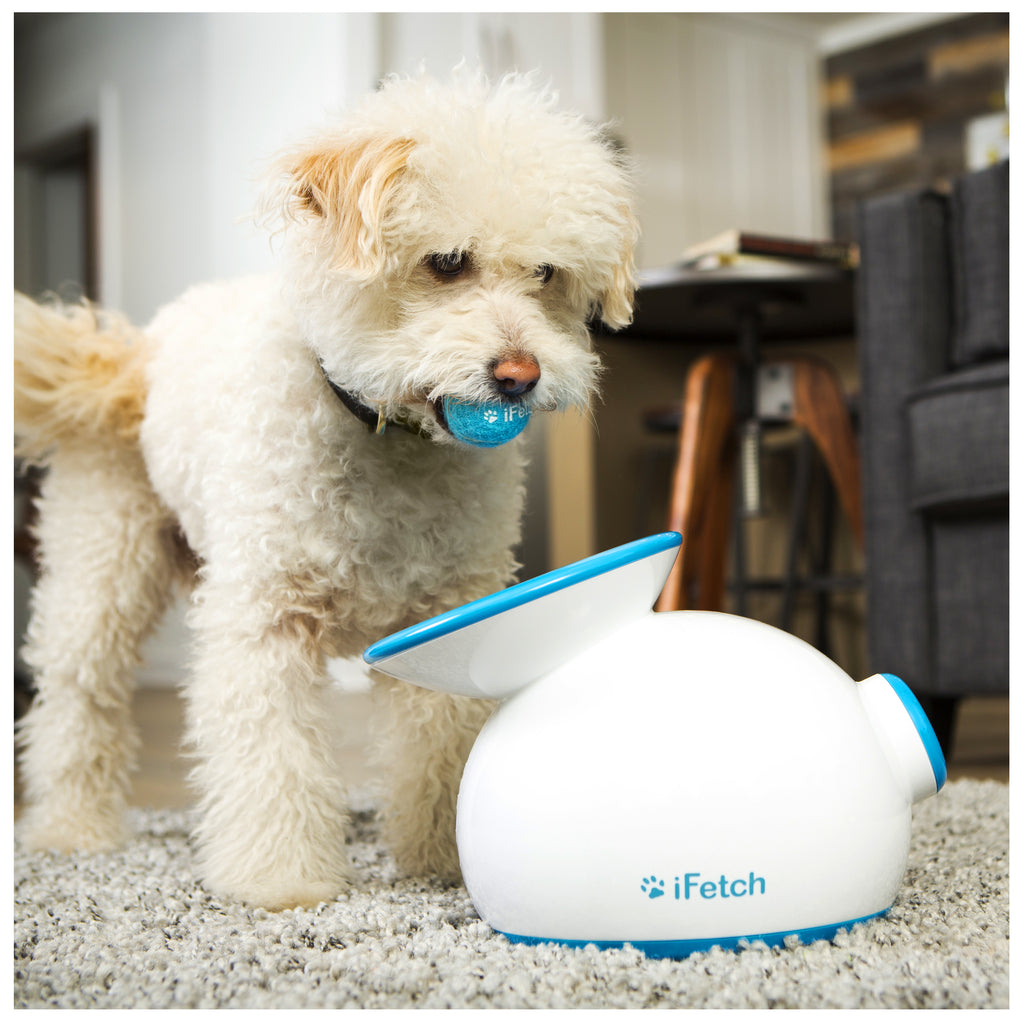
- iFetch Too: A popular option with a focus on durability and ease of use.
- Wickedbone: Includes interactive games and remote control features (though AI integration is limited).
- Various Amazon options: A range of unbranded machines with varying features and price points.
Top AI-Powered Dog Fetch Machines for Enhanced Training in 2026
Launches standard tennis balls · Adjustable distance settings · Works indoors and outdoors
The iFetch is a popular choice for its ease of use and ability to keep dogs entertained for extended periods, making it a great tool for independent play and training.
Multiple distance settings · Water-resistant design · Safety auto-shutoff feature
This PetSafe launcher offers a robust and reliable solution for fetch enthusiasts, with features designed for durability and safe operation.
Motion-activated play · Durable, chew-resistant material · Rechargeable battery
The Wicked Ball provides an interactive and unpredictable play experience that stimulates a dog's natural hunting instincts, promoting active engagement.
App-controlled play modes · Automatic play and rest cycles · Durable, pet-safe materials
GoBone offers a smart, app-driven approach to playtime, allowing owners to customize play sessions and monitor their dog's activity remotely.
Launches balls up to 30 feet · Adjustable angle settings · Suitable for indoor and outdoor use
This Pawise launcher is a more budget-friendly option that still delivers consistent fetch fun, making it accessible for more pet owners.
As an Amazon Associate I earn from qualifying purchases. Prices may vary.
The Future of AI Fetch: Predictions for 2026 and Beyond
Looking ahead to 2026 and beyond, the future of AI-powered fetch machines is incredibly promising. We can expect to see significant advancements in AI algorithms, leading to more accurate tracking and more sophisticated safety features. Improved object recognition will allow the machines to better distinguish between the dog and other objects in the environment, reducing the risk of false positives and accidental launches.
Integration with smart home ecosystems is also likely. Imagine being able to control the fetch machine with your voice assistant or schedule fetch sessions remotely via a smartphone app. Personalized training programs based on the dog’s breed, age, and personality will become more common, tailoring the experience to the individual dog’s needs.
Perhaps the most exciting development will be the emergence of AI-powered "fetch coaches.’ These systems will analyze the dog’s performance and provide personalized feedback to the owner, helping them to optimize the training program and maximize the dog"s enjoyment. They might even suggest new games or exercises to keep the dog engaged and challenged.
I believe we’ll also see more sophisticated data analysis, with machines tracking not only fetch frequency and distance but also the dog’s heart rate, breathing rate, and other physiological indicators. This data could be used to monitor the dog’s health and identify potential problems early on. The potential for AI to revolutionize canine health and wellness is enormous.
AI-Powered Dog Fetch Machines Price Prediction 2026
Bull / Base / Bear scenario analysis
| Timeframe | Bull Case | Base Case | Bear Case | Key Driver |
|---|---|---|---|---|
| 1 Month | $950-$1,100 | $320-$950 | $250-$750 | Holiday season demand and early adopter interest |
| 3 Months | $1,200-$1,400 | $400-$1,050 | $200-$650 | Product reviews and word-of-mouth marketing impact |
| 6 Months | $1,500-$1,800 | $450-$1,200 | $150-$550 | Manufacturing scale efficiency and competitive response |
| 1 Year | $2,000-$2,500 | $500-$1,400 | $100-$400 | Market saturation levels and technological differentiation |
Price Prediction Summary
AI-powered dog fetch machines show strong growth potential driven by pet tech adoption trends, though pricing will likely stabilize as competition increases and manufacturing scales. Premium models may maintain higher price points through advanced AI features.
Key Factors Affecting AI-Powered Dog Fetch Machines Stock Price
- Pet industry spending growth and tech adoption rates
- Manufacturing cost reduction through scale economies
- Competitive landscape development and market entry
- Consumer acceptance of AI-powered pet products
Disclaimer: Predictions are speculative and not financial advice. Stock price predictions are based on current market analysis and may vary significantly due to market volatility, economic conditions, and other unpredictable factors. Always do your own research before making investment decisions.
Troubleshooting and Maintenance: Keeping Your AI Fetcher Running Smoothly
Even the most advanced technology requires regular maintenance. To ensure your AI-powered fetch machine continues to function optimally, it’s important to address common issues promptly and perform routine upkeep. Tracking problems are a frequent complaint, often caused by poor lighting or obstructions in the camera’s field of view. Ensure the area is well-lit and free of clutter.
Launch failures can be caused by a variety of factors, including low battery power, a jammed ball compartment, or a software glitch. Check the battery level, clear any obstructions, and try restarting the machine. Connectivity issues can be resolved by ensuring the machine is within range of your Wi-Fi network and that the software is up to date.
Regular cleaning is essential to prevent dust and debris from interfering with the machine’s sensors and mechanisms. Wipe down the exterior with a damp cloth and empty the ball compartment regularly. Check the manufacturer’s instructions for specific cleaning recommendations.
Most manufacturers offer online support resources, including FAQs, troubleshooting guides, and contact information for customer service. Don’t hesitate to reach out for help if you’re unable to resolve an issue on your own. Proactive maintenance and prompt troubleshooting will help you keep your AI fetcher running smoothly for years to come.
- Tracking Issues: Check lighting, clear obstructions, update software.
- Launch Failures: Check battery, clear jams, restart machine.
- Connectivity Problems: Ensure Wi-Fi connection, update software.
- Regular Cleaning: Wipe down exterior, empty ball compartment.

No comments yet. Be the first to share your thoughts!