

Start with the right toy
Choosing the correct fetch toy is the foundation of teaching dogs to fetch. A mismatch between the toy and your dog’s chewing style or size can derail training before it begins. If the toy breaks too easily, the lesson ends in frustration; if it is too heavy or hard, the dog may lose interest entirely. The goal is to find an object that triggers the dog’s prey drive without risking dental damage or ingestion hazards.
Match the toy to the dog’s profile
For gentle retrievers and puppies, soft plush toys or lightweight rubber balls work best. These items are easy to grip and carry, helping the dog learn the "hold" command without jaw strain. However, these toys lack durability for power chewers. For strong jaws, opt for solid rubber balls or dense tug ropes that can withstand aggressive biting. Avoid toys with squeakers for destructive chewers, as swallowed plastic parts pose a serious choking risk. A tug toy can also serve as an excellent bridge, allowing you to build excitement and teach the "drop it" command before introducing the throw.
Top fetch toys for every style
Selecting a proven product simplifies the process. Below are reliable options categorized by play style, ensuring you have the right tool for the job.


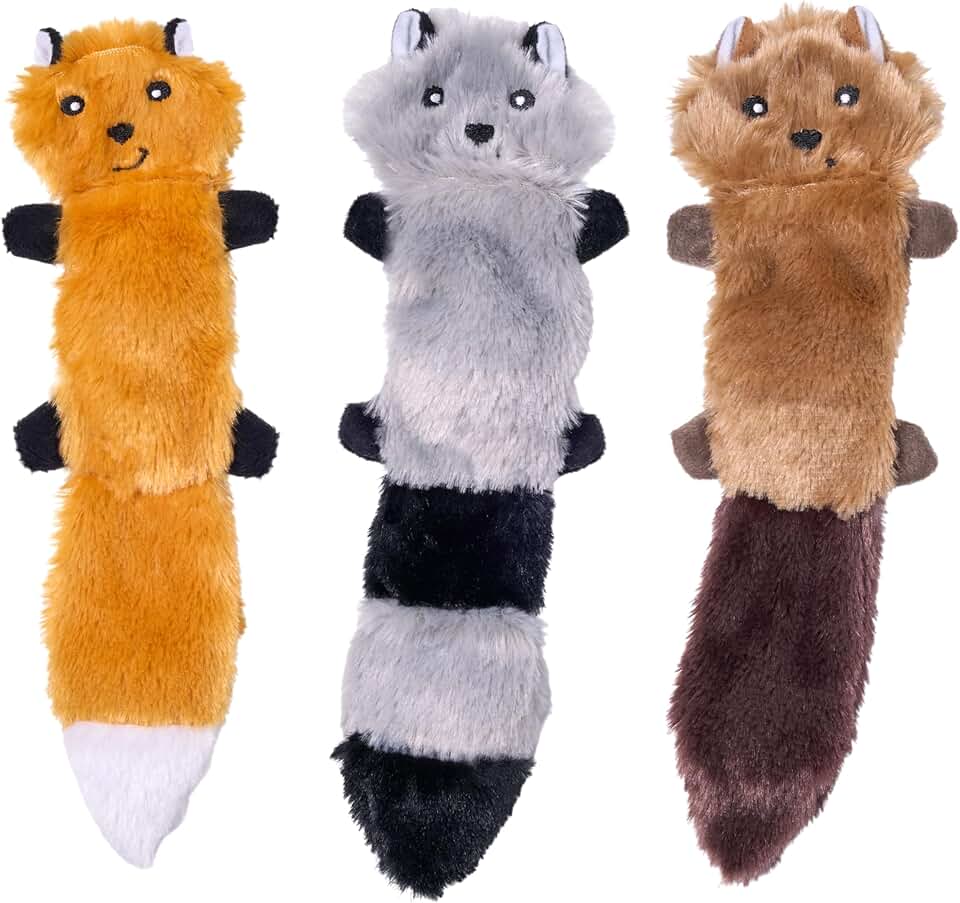
As an Amazon Associate, we may earn from qualifying purchases.
Teach the hold before the throw
Most people skip the hardest part of teaching dogs to fetch: getting the dog to keep the object in their mouth. If you throw a ball and your dog drops it immediately, you haven't failed at fetch; you've just skipped the foundation. The American Kennel Club notes that the first step to teaching your dog to fetch is to teach hold. Without this, the "fetch" command is just a game of chase with no return.
Start with a high-value toy, like a soft KONG Wobbler or a durable Chuckit! Ultra Ball, that your dog already enjoys. Sit on the floor with your dog. Present the toy and let them mouth it. The moment they close their lips around it, mark the behavior with a clicker or a sharp "yes" and immediately give a treat. Do not ask for a release or a drop yet. You are building an association that holding the object leads to good things.
Once your dog consistently takes the toy and holds it for a second, gradually increase the duration. Wait three seconds before marking and treating. Then five. Then ten. If they drop it, simply reset the toy and try again without reprimanding. This phase can take days or weeks depending on the dog's age and prey drive. Be patient. The goal is a dog who sees the toy as a prize to be guarded, not just a projectile to be chased.
When your dog can hold the toy for 10-15 seconds reliably, you are ready to introduce the "drop it" command later. For now, focus entirely on the grip. A dog that holds tight will eventually bring the toy back to you because they are protecting their prize, making the return trip natural and rewarding.
Build distance and recall
Once your dog reliably grabs the toy at close range, it is time to increase the challenge. The goal of teaching dogs to fetch is not just a quick chase, but a reliable return. Start by tossing the toy just a few feet away. If your dog drops it immediately, shorten the distance again and reward any attempt to hold the object.
Reinforce the "come" command with high-energy praise. When the dog picks up the item, use a happy, inviting tone to call them back. This turns the retrieval into a game of chase rather than a chore. Avoid repeating the command multiple times, which can dilute its meaning. Instead, let your enthusiasm do the work.
As the distance grows, ensure the toy remains irresistible. A durable option like the Kong Classic works well because its unpredictable bounce keeps the dog engaged even after a long throw. The novelty of the toy helps maintain focus when the fetch distance extends beyond the initial few steps.
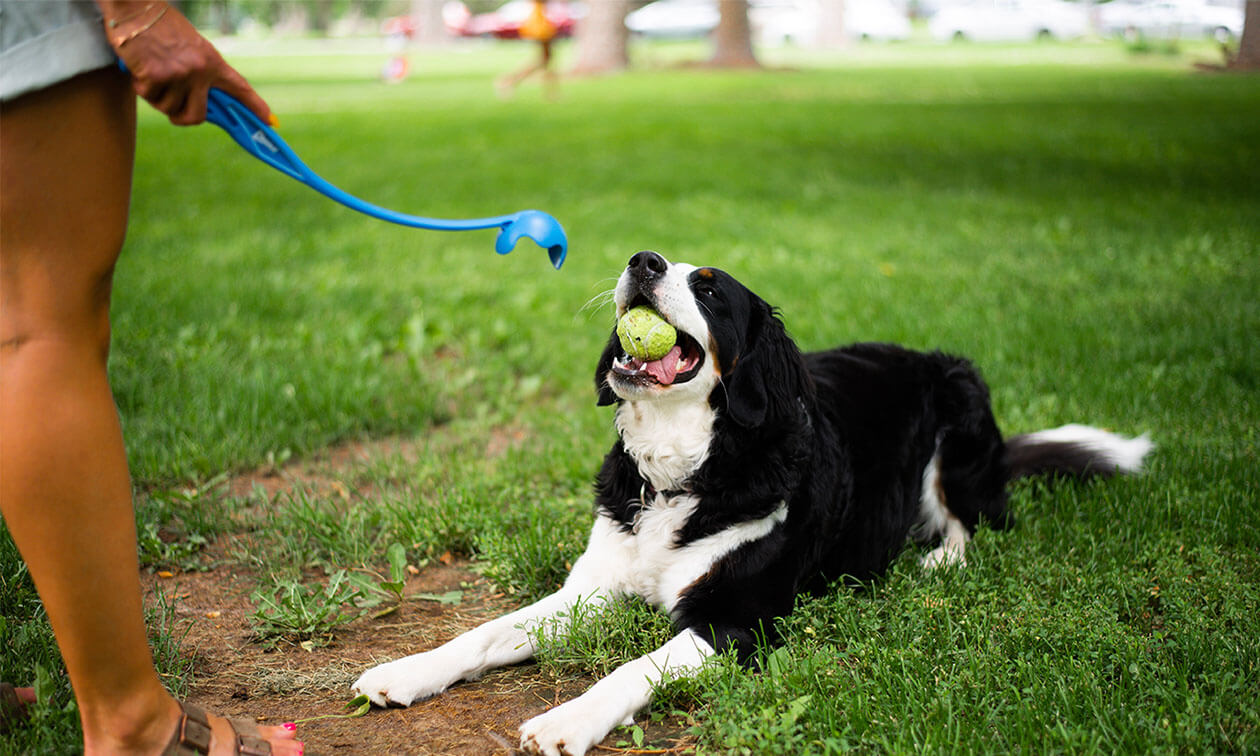
Begin by tossing the toy just three to five feet away. This allows your dog to practice the grab and turn without feeling overwhelmed by a long run. Reward them immediately upon returning to the starting point.
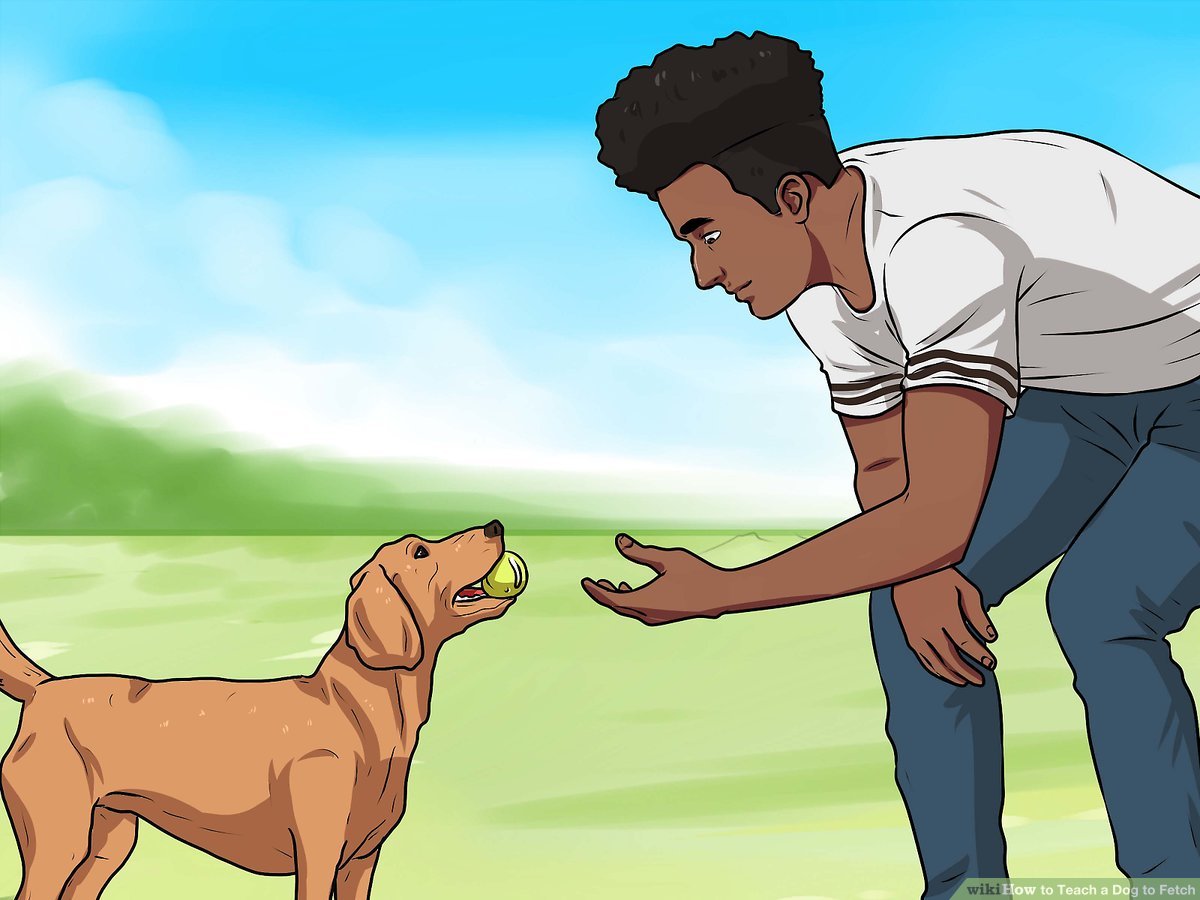
Use a consistent, upbeat command like "come" or "here" as the dog retrieves the toy. Pair the verbal cue with a happy demeanor. This builds a strong association between returning and positive outcomes, ensuring they come back even when distracted.

Once the short tosses are consistent, extend the throw by a few feet each session. If the dog loses interest or drops the toy, reduce the distance again. Patience is key when teaching dogs to fetch, as rushing this stage can lead to frustration.
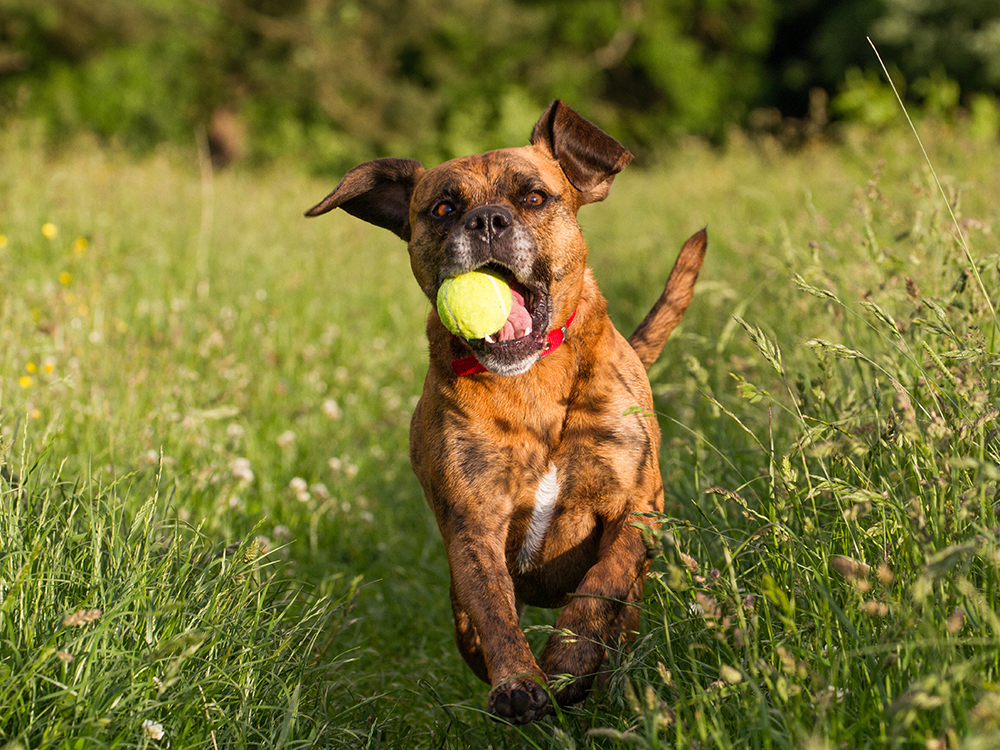
Introduce tougher toys like the Chuckit! Ultra Ball for longer throws. These balls are designed to withstand rough play and bounce erratically, which keeps the dog motivated to chase and retrieve over greater distances.
Take your fetch sessions to different locations, such as a quiet park or a different part of the yard. This helps your dog generalize the behavior. Start with low-distraction areas and slowly introduce more stimuli as their recall improves.
Try an automatic fetch machine
For high-energy breeds or owners who want to exercise their pets without constant throwing, an automatic fetch machine is a game-changer. These devices launch balls at set distances, allowing your dog to practice the core mechanics of teaching dogs to fetch while giving your arm a break. This setup is particularly useful for reinforcing the "drop it" and "come back" commands in a repetitive, low-friction environment.
When selecting a machine, consider your dog's size and your available space. Some models are designed for indoor use with soft foam balls, while others launch standard tennis balls outdoors. Below is a comparison of popular options to help you choose the right fit for your training routine.
| Model | Range | Ball Compatibility | Power Source |
|---|---|---|---|
| iFetch Junior | 3-6 feet | Small (1.5 in) | Batteries |
| iFetch | 6-20 feet | Medium (2.5 in) | Batteries |
| 6-25 feet | Large (3 in) | Batteries | |
| PetSafe Tech Toy Tornado | Adjustable | Standard Tennis | AC Adapter |
Start with the shortest distance setting to ensure your dog understands the launch and retrieval process. As they become more confident, gradually increase the range to build endurance and precision. This methodical approach to teaching dogs to fetch helps prevent frustration and keeps the activity fun for both you and your pet.
Troubleshoot common fetch mistakes
Even with the right gear, teaching dogs to fetch often hits snags. Dogs are individuals, and what works for one might fail for another. The most frequent issues involve timing, motivation, and confusion about the return phase. Addressing these specific hurdles usually means adjusting your distance, rewards, and the toy itself.
Dropping the toy too early
Many dogs grab the item but drop it the moment they turn around or take a few steps. This often happens if the throw is too far or the reward isn't immediate enough. If your dog drops the toy, go back to shorter distances and reward the return, not just the grab. Keep the initial throws within arm's reach so the dog can successfully complete the sequence without fatigue or distraction.
Chasing but not returning
Some dogs treat fetch as a chase game rather than a retrieval task. They love the sprint but have no interest in bringing the item back. To fix this, work backwards in very small steps. Start by tossing a toy right in front of them so they catch it nearby. Once they have it, excitedly run a short way in the opposite direction to encourage them to follow. Use high-value treats to bribe them back to you, gradually increasing the distance as they learn the pattern.
Losing interest mid-game
If your dog ignores the toy or wanders off, the fetch session might be losing its novelty or the toy itself isn't engaging enough. Switch to a tug toy to build excitement before introducing the throw. The KONG Extreme is a durable option that holds treats, adding an extra layer of incentive. If the toy is too boring, try a different texture or scent. Consistency is key; keep sessions short (5-10 minutes) to prevent boredom and maintain high energy levels.


As an Amazon Associate, we may earn from qualifying purchases.
No comments yet. Be the first to share your thoughts!