
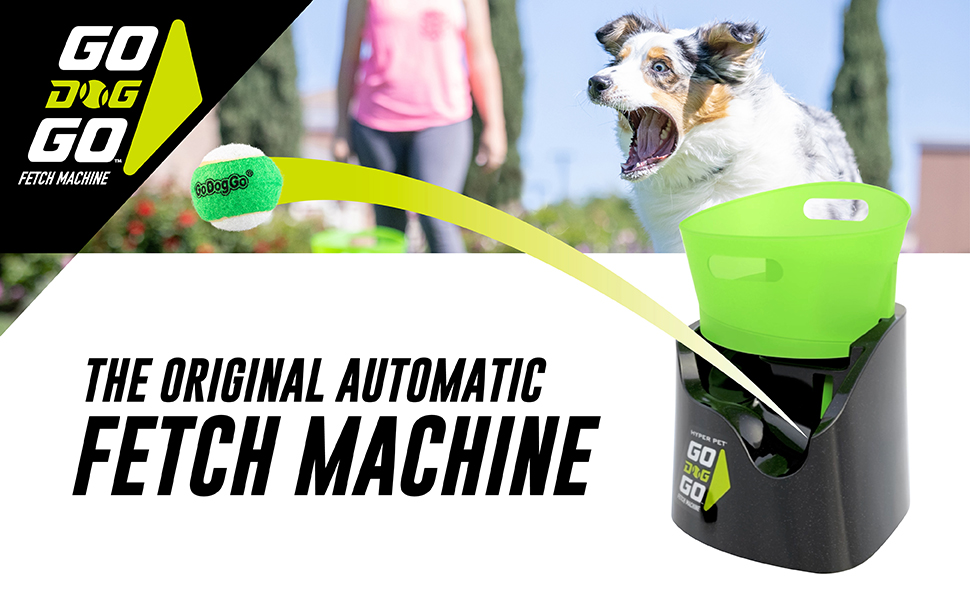

Why choose an automatic fetch machine
An automatic fetch machine solves the most common problem in dog ownership: the owner’s fatigue. While a dog can play fetch for hours, a human cannot. These devices bridge the gap between a high-energy pet and a busy schedule, providing consistent exercise without requiring you to bend down and sprint after every throw.
For high-energy breeds like Border Collies or Retrievers, this consistency is critical. These dogs often have more stamina than their owners, and an automated launcher ensures they get the physical outlet they need, even on days when you are exhausted or the weather is poor.
Note: While automated launchers provide excellent exercise, veterinary physiotherapists warn that the repetitive sprinting and twisting can place significant stress on a dog’s joints. Always monitor your dog for signs of fatigue, such as heavy panting or slowing down, and limit sessions to 10-15 minutes at a time.
The value extends beyond convenience for the able-bodied. For older dogs or those with limited mobility, an automatic fetch machine offers a way to engage in play that they might struggle to initiate with a human partner. The machine provides a steady, predictable rhythm that keeps them mentally stimulated and physically active without the unpredictable intensity of a human-led game.
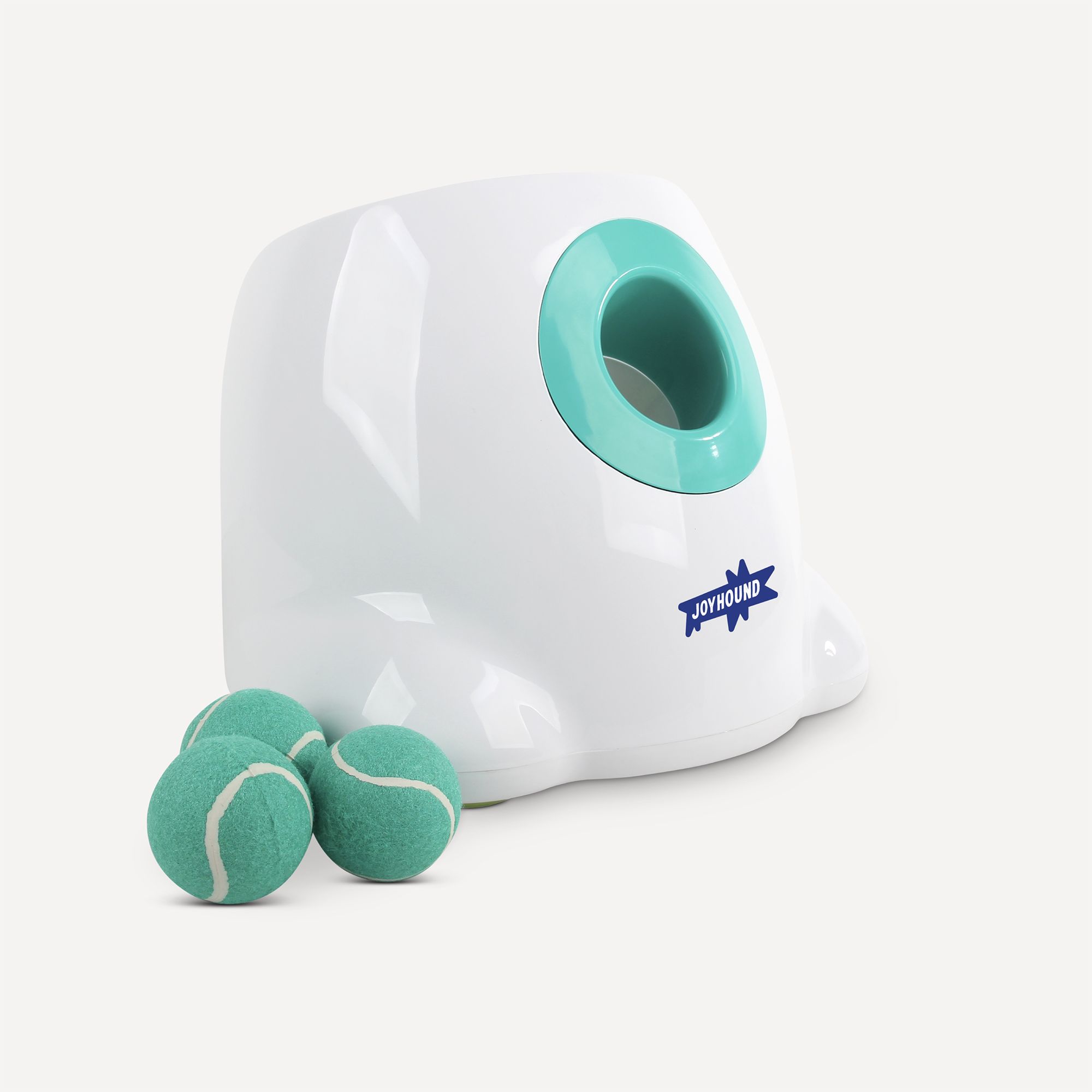
AmazonProductGrid is the preferred way to browse these devices safely and accurately.


As an Amazon Associate, we may earn from qualifying purchases.
How to pick the right fetch machine
Choosing the right automated ball launcher depends on three factors: your dog's size, the ball type, and how much space you have. Getting these details right ensures the machine fits your home and keeps your dog safe during play.
Match the ball to your dog's size
Small dogs need small balls, and large dogs need large ones. Using the wrong size can cause choking hazards or jam the launcher. Look for machines that specify compatibility with standard tennis balls, golf balls, or custom-sized rubber balls. Most automatic launchers are designed for standard tennis balls, but some models accommodate smaller or larger variations.
Consider launch distance and space
Indoor use requires a machine with short launch distances, typically 10 to 15 feet. Outdoor models can launch balls 30 to 50 feet or more. If you have a small yard or live in an apartment, prioritize adjustable distance settings. This lets you control the intensity of the workout and prevents the ball from flying into streets or neighboring properties.
Power source and convenience
Battery-operated launchers offer portability but require frequent charging or battery replacements. Corded models provide unlimited power but limit where you can place the device. For high-energy breeds, consider a machine with a large ball hopper to reduce refill frequency. Some models include auto-retract mechanisms that pull the ball back into the chamber, allowing for continuous play without manual intervention.
Safety and durability
Look for machines with smooth launch mechanisms to reduce joint stress on your dog. Avoid models with sharp edges or exposed gears. Durable plastic or metal construction ensures the machine withstands repeated impacts from high-speed balls. Always supervise your dog during play, especially if they are prone to chewing on equipment.
| Feature | Indoor Model | Outdoor Model |
|---|---|---|
| Launch Distance | 10-15 ft | 30-50+ ft |
| Power Source | Battery/Corded | Battery/Corded |
| Ball Size | Small/Standard | Standard/Large |
| Portability | High | Low |
Top automated ball launchers for small dogs
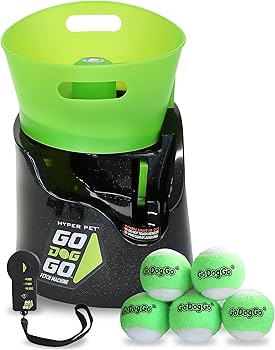
Small dogs have different needs than larger breeds. The wrong launcher can be too powerful or launch balls that are too big, creating a choking hazard. The best automated ball launchers for small dogs use mini tennis balls and offer adjustable distance settings to keep play safe and engaging.
The iFetch Ball Launcher is a leading choice for this size group. It launches mini tennis balls (1.5" diameter) at three adjustable distances: 10, 20, or 30 feet. This allows you to control the intensity of the workout, which is essential for preventing overexertion in smaller breeds. The unit is designed specifically for these smaller balls, ensuring a secure fit and consistent launch.
When selecting a launcher, prioritize safety features and ball compatibility. Look for models with enclosed feeding tubes to protect fingers and adjustable power settings to match your dog's stamina. Always supervise play sessions, even with automated devices, to ensure your dog is not chewing on the machine or the balls.


As an Amazon Associate, we may earn from qualifying purchases.
Best fetch machines for large and active dogs
Standard ball launchers often struggle with the weight of tennis balls used by larger breeds or the high velocity required to tire out working dogs. For active breeds like Border Collies, Retrievers, or Pit Bulls, you need a machine built with a heavier-duty motor and a wider launch angle to prevent jamming. Durability becomes the primary filter; cheap plastic housings crack under the impact of repeated high-speed throws.
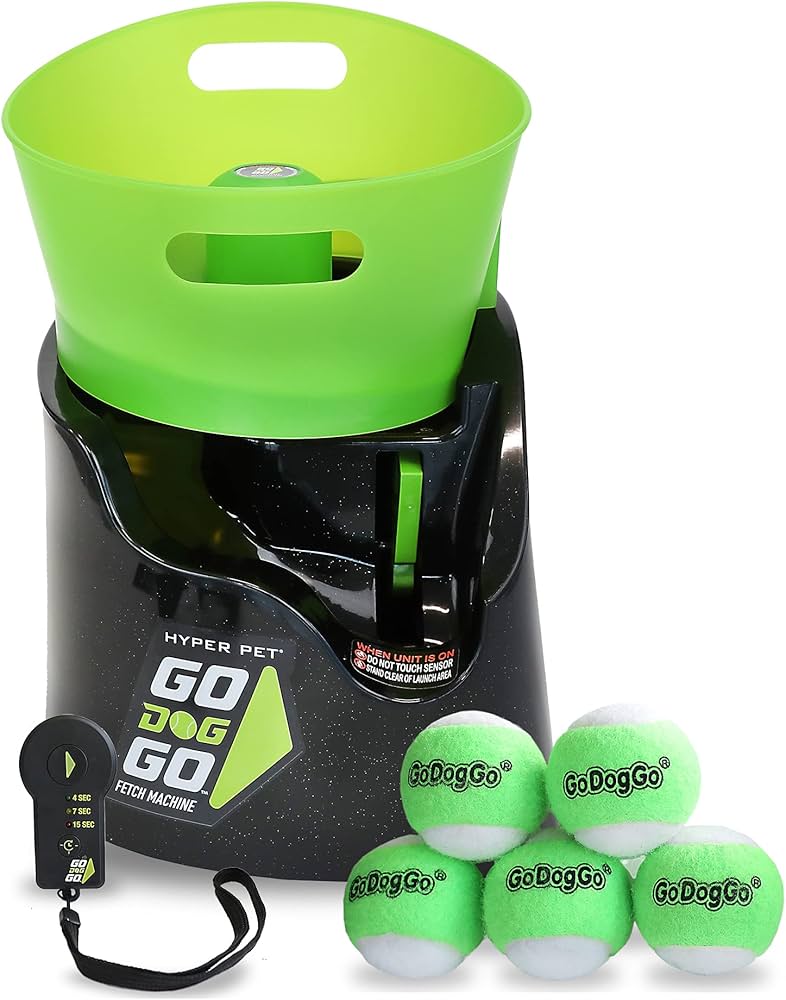
The Franklin Sports Ready Set Fetch Automatic Tennis Ball Launcher stands out for its robust construction. It is designed to handle the repetitive stress of high-energy play, offering a consistent launch distance that keeps large dogs moving without the owner needing to wind up every throw. Its heavy base provides stability, preventing the unit from tipping over when a large dog attempts to retrieve a ball mid-cycle.
For owners who want to control the intensity, the GoDogGo Duo offers a dual-launch capability. This system allows for variable distances and angles, which is useful for simulating different hunting or herding scenarios. The ability to switch between automatic and manual remote control modes ensures you can manage your dog’s energy levels precisely, stopping before fatigue sets in.
When selecting a launcher for a high-drive dog, consider the ball type. Some machines only accept standard tennis balls, while others accommodate larger, heavier rubber balls that are easier on joints but require more motor power. Always monitor your dog for signs of overexertion, such as excessive panting or slowing down, regardless of how entertaining the machine is.


As an Amazon Associate, we may earn from qualifying purchases.
Safety tips for using fetch machines
Automated ball launchers offer endless entertainment, but they can also introduce physical and sensory risks if used without boundaries. Veterinary physiotherapists warn that the repetitive sprinting, twisting, and jumping encouraged by these devices can place significant stress on a dog’s joints, potentially leading to long-term strain injuries. To keep playtime safe, it is essential to treat the machine as a tool for intermittent bursts of energy rather than a substitute for structured exercise.
Start with short sessions of ten to fifteen minutes, regardless of your dog’s enthusiasm. High-drive breeds like collies and retrievers may push for more, but you must set firm limits to prevent exhaustion. Watch for subtle signs of fatigue, such as heavy panting, a slowing pace, or the dog lying down between throws. If you notice these cues, stop the machine immediately and allow your pet to rest.
Noise sensitivity is another common hurdle. Many automatic launchers emit a loud mechanical click or whir that can startle or stress sensitive dogs. If your pet seems hesitant or anxious around the device, try placing it in a quieter area or using it only when your dog is already warmed up. Introduce the machine gradually, pairing the sound with positive reinforcement, to help your dog associate the noise with fun rather than fear.
When selecting a device, prioritize models with adjustable distance settings. This allows you to control the intensity of the run, reducing the impact on your dog’s joints during early sessions. Always supervise play to ensure the ball is not being swallowed or chewed into small, hazardous pieces.


As an Amazon Associate, we may earn from qualifying purchases.
Frequently asked questions about fetch machines
How often should I play fetch with my dog?
Most dogs do well with 10 to 15 minutes of fetch at a time. Highly driven breeds like collies and retrievers may want to keep going, but it is important to set limits. Watch for signs of fatigue such as heavy panting, slowing down, or lying down between throws.
Is throwing a ball good for your dog?
Ball-throwers are a popular way to exercise high-energy dogs—but did you know they may be causing repetitive strain injuries and long-term joint issues? While these devices offer convenience and excitement, the repeated sprinting, twisting, and jumping they encourage can place significant stress on your dog's body.
Can I use a fetch machine indoors?
Yes, but you need to match the machine to your space. Indoor models typically use softer foam balls and have shorter throw distances to protect furniture and walls. Always clear the area of breakables and ensure your dog has enough room to stop safely after catching the ball.
What size ball should I use?
Check the manufacturer's specifications for your specific launcher. Most machines require a standard tennis ball, but some larger launchers accept slightly bigger or heavier balls. Using a ball that is too small can be a choking hazard, while one that is too large may jam the mechanism.
No comments yet. Be the first to share your thoughts!