

Fetch Reimagined: AI's Arrival
Watching a dog chase a ball is a classic for a reason. But even the most enthusiastic owner has limits. My shoulder certainly does after a few dozen throws. The repetitive motion, inconsistent distance, and doggy boredom can dull the fun. Artificial intelligence is changing that.
We've relied on our own arms to keep fetch going. Now, AI-powered dog fetch machines are emerging. These aren't just automatic ball launchers; they're intelligent systems designed to engage your dog, adapt to their needs, and offer a more effective training experience. It's a shift from us entertaining them to a collaborative play session.
The trend extends beyond fetch. Companion robots like Loona, described as a 'Smart AI-Powered Companion,' show the growing intersection of AI and pet ownership. Loona isn’t focused on fetch, but it points to a future where AI plays a larger role in our pets’ lives, offering companionship, entertainment, and training assistance. These machines augment our ability to provide enriching experiences for our dogs.
The promise is simple: more engagement for your dog, less strain on you. How do these machines work, and what can they do? The following sections explore the evolution of automatic fetch, the technology powering these devices, and the future of AI-driven dog training.
Beyond the Chuck-It: Machine Evolution
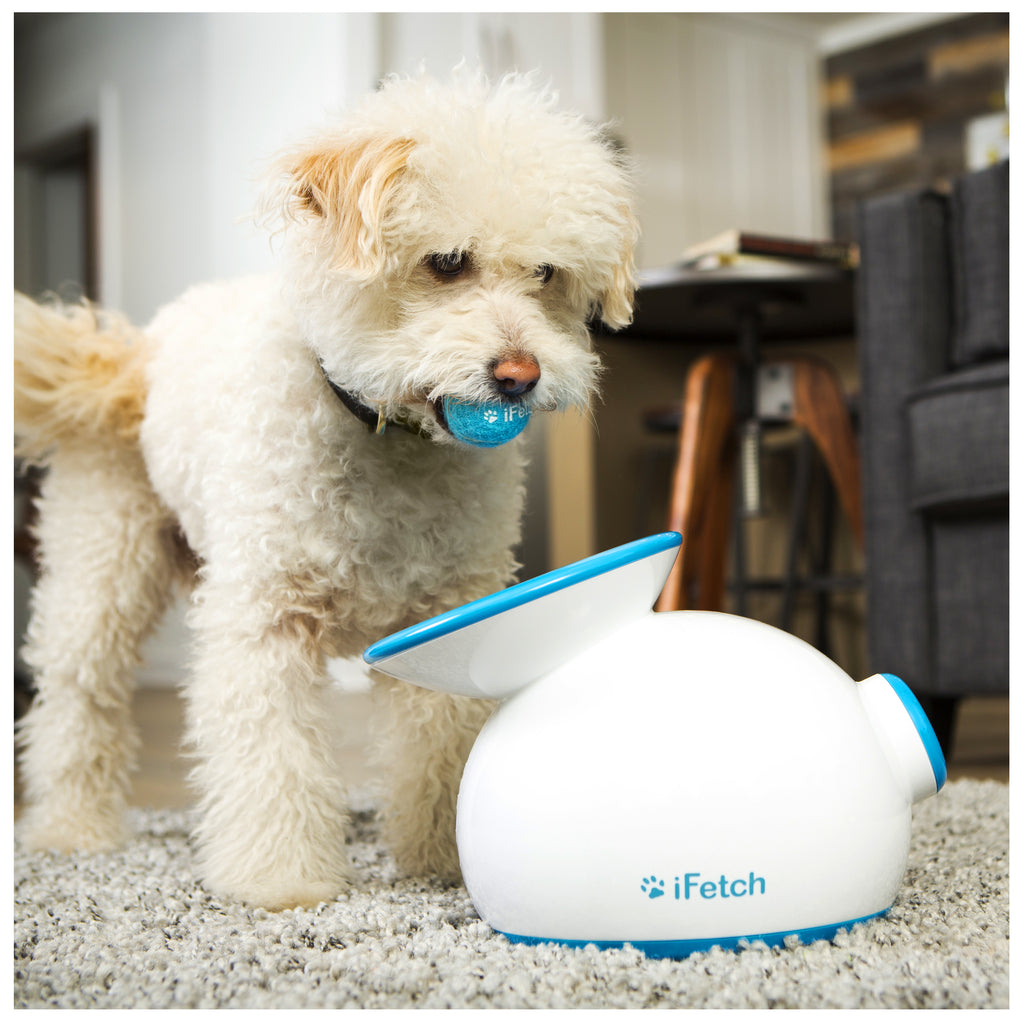
Automating fetch isn't new. For decades, dog owners have sought ways to extend playtime without exhausting themselves. Early attempts were rudimentary. My grandfather used a simple stick to fling a ball further than he could by hand. The Chuck-It!, a manually operated launcher, significantly increased throwing distance and reduced effort.
The Chuck-It! was a game-changer, but it required human operation. The next step was automation. Early automatic ball launchers, appearing in the late 1990s and early 2000s, used simple mechanical systems to launch balls at pre-set distances. These machines offered consistent throws and eliminated owner fatigue. However, they lacked intelligence and adaptability, launching the ball the same way every time, regardless of the dog’s skill or environment.
Over the next two decades, automatic fetch machines became more sophisticated. Remote control functionality allowed owners to adjust launch distance and angle. Machines like the iFetch added multiple ball capacity, allowing for extended play sessions without constant retrieval. Some models included adjustable launch settings for different dog sizes and energy levels. These incremental improvements paved the way for something more.
What truly sets AI-powered machines apart is their ability to learn and adapt. Unlike their predecessors, these machines observe the dog, analyze their behavior, and adjust their launch patterns accordingly. They use computer vision to track the dog and ball, machine learning to understand the dog’s preferences, and potentially reinforcement learning to optimize the game for maximum engagement. This isn't just about automating a throw; it's about creating a dynamic, interactive play experience.
What Can These Machines Actually Do?
The capabilities of current and near-future AI fetch machines are impressive and rapidly expanding. It’s about creating a personalized and engaging experience for your dog. Advanced ball tracking is a core feature. These machines use computer vision to accurately track the ball's trajectory, avoiding obstacles like trees, furniture, or other pets. This prevents wasted throws and keeps the game flowing smoothly.
Variable launch patterns are critical. A machine that launches the ball in the same arc, at the same distance, every time quickly becomes predictable and boring. AI-powered machines vary launch angles, distances, and speeds, keeping the dog engaged and challenged. They might launch a short, low trajectory shot followed by a long, high arc, mimicking the unpredictability of a human thrower.
Personalized training programs represent a significant leap forward. These machines learn a dog’s skill level, physical limitations, and preferences. A beginner dog might receive shorter throws and slower speeds, gradually increasing as their skills improve. More advanced dogs might receive challenging throws requiring greater agility and speed. Some machines integrate with wearable devices, monitoring the dog’s activity level and adjusting game intensity.
Preventing repetitive strain injuries is a major benefit. Traditional fetch can stress a dog’s joints, especially during repetitive turning and stopping. AI can optimize launch patterns to minimize these stresses, ensuring a safer and more enjoyable experience. Voice control and app integration are becoming common, allowing owners to control the machine remotely and customize settings through a user-friendly interface.
Imagine a machine that knows your dog prefers chasing balls in the open field and automatically adjusts its launch angle to avoid obstacles. Or a machine that recognizes when your dog is tiring and reduces game intensity. These aren't futuristic fantasies; they're features becoming increasingly available.
- Ball Tracking: Avoids obstacles and ensures accurate throws.
- Variable Launch Patterns: Keeps the dog engaged and challenged.
- Personalized Training Programs: Adapts to the dog’s skill level and preferences.
- Wearable Integration: Monitors activity and adjusts intensity.
- Injury Prevention: Optimizes launch patterns to minimize stress on joints.
The AI Under the Hood
While the features are impressive, understanding the core AI technologies is helpful. Computer vision is fundamental. The machine needs to "see" both the dog and the ball, and accurately track their movements using cameras and sophisticated image processing algorithms that identify objects and their positions in space.
Machine learning analyzes the data collected by the computer vision system. The machine learns the dog’s preferences – how far they like to run, what angles they prefer, how quickly they respond to different throws. This learning process personalizes the game and optimizes it for maximum engagement. The more the dog plays, the smarter the machine becomes.
Reinforcement learning is a more advanced technique some machines employ. This involves the machine experimenting with different launch patterns and observing the dog’s reaction. If the dog responds positively, the machine is "rewarded’ and more likely to repeat that pattern. This allows the machine to continuously refine its launch strategy and maximize the dog"s enjoyment.
Data privacy is a legitimate concern with any AI-powered device. Manufacturers are addressing this by implementing robust security measures and giving users control over their data. Review a manufacturer’s privacy policy before purchasing any AI fetch machine to understand how your dog’s data is collected, used, and protected.
Training Potential: More Than Just Fetch
undefined predictable and engaging recall cue. The machine launches the ball, and the owner uses a verbal command to recall the dog.
Agility practice can also be incorporated into the game. By strategically placing obstacles around the play area, owners can encourage their dogs to jump, weave, and navigate challenges while retrieving the ball. The machine's variable launch patterns can further enhance the agility practice, forcing the dog to react quickly and adjust their movements.
For dogs recovering from injuries or surgeries, AI fetch machines can provide a controlled and customized physical therapy program. The machine can launch the ball at low speeds and short distances, gradually increasing the intensity as the dog recovers. This allows for a safe and effective rehabilitation process.
The YouTube video 'Has A.I. Made Robot Dogs Too Smart?' explores the broader implications of AI in pet robotics, raising important questions about the role of technology in our relationships with animals. The data collected by the machine – distance run, speed, reaction time – can provide valuable insights into the dog’s physical and mental health, allowing owners to make informed decisions about their pet’s care. This data can be shared with veterinarians to provide a more comprehensive picture of the dog’s overall well-being.
Furthermore, customized training programs can be tailored to specific breeds and age groups. A high-energy Border Collie, for example, might benefit from a more challenging and fast-paced program, while an older Labrador might require a gentler and more moderate approach.
Is an AI Fetch Machine Right For Your Pup?
AI-powered fetch machines are revolutionizing dog training, offering a consistent and engaging way to build a strong recall and chase drive. But these aren't a one-size-fits-all solution! This quick quiz will help you determine if an AI fetch machine is a good fit for your dog's needs and your training goals.
Early Adopters Speak: Real-World Experiences
Anecdotal evidence from early adopters paints a largely positive picture. Online forums and social media groups dedicated to dog training are filled with stories of increased exercise, reduced owner fatigue, and improved training results. Many owners report that their dogs are more engaged and focused during fetch sessions with the AI machine.
One owner, posting on a popular dog forum, described how the machine helped her elderly Golden Retriever maintain an active lifestyle. “My dog has arthritis, and I was worried about him getting enough exercise. The machine allows him to play fetch at his own pace, without putting too much stress on his joints.” Another owner reported significant improvements in their dog’s recall. “Before, my dog would often ignore my recall command when he was distracted by the ball. Now, he comes back every time, because he knows the machine will launch another ball immediately.”
However, it’s not all smooth sailing. Some owners have reported initial challenges with setting up and calibrating the machine. Others have expressed concerns about the machine’s durability and reliability. One owner mentioned that the machine occasionally malfunctions and stops launching the ball, requiring a reset. It’s important to remember that this technology is still relatively new, and there are bound to be some teething problems.
Despite these challenges, the overwhelming consensus among early adopters is that AI-powered fetch machines are a valuable investment for dog owners who want to provide their pets with a more engaging and enriching experience. The key is to choose a machine that is appropriate for your dog’s size, breed, and energy level, and to follow the manufacturer’s instructions carefully.
Looking Ahead: 2026 and Beyond
The future of AI-powered fetch machines looks incredibly promising. As AI technology continues to advance, we can expect to see even more sophisticated features and capabilities. Improved object recognition will allow machines to distinguish between different types of balls and toys, and to adapt to changing environmental conditions.
More sophisticated training algorithms will enable machines to create truly personalized training programs tailored to the individual dog’s needs and goals. Integration with other smart home devices will allow owners to control the machine remotely and monitor their dog’s activity from anywhere. Imagine a machine that automatically pauses the game if it detects that your dog is getting too hot, or that sends you an alert if your dog is exhibiting signs of distress.
We might also see machines that can adapt to different environments and play surfaces. A machine that can automatically adjust its launch angle and speed based on the terrain, or that can switch to a different mode when playing indoors versus outdoors. The possibility of machines that can autonomously navigate a yard, avoiding obstacles and finding the optimal launch position, is also within reach.
However, these advancements also raise ethical considerations. As pet technology becomes more autonomous, it’s important to ensure that it is used responsibly and ethically. We need to consider the potential impact on the human-animal bond, and ensure that technology enhances, rather than replaces, our interactions with our pets.
Choosing the Right Machine for You
If you’re considering purchasing an AI fetch machine, there are several factors to consider. Budget is obviously a key concern. Prices can vary significantly, depending on the features and capabilities of the machine. Dog size and breed are also important. Some machines are designed for small dogs, while others are better suited for larger breeds.
Available space is another crucial consideration. Some machines require a relatively large play area, while others can be used in smaller spaces. Desired features should also factor into your decision. Do you want a machine with variable launch patterns, personalized training programs, or wearable integration?
Safety should always be a top priority. Make sure the machine is made from durable materials and has safety features to prevent injury. Responsible use is also essential. Always supervise your dog during playtime and follow the manufacturer’s instructions carefully.
While a detailed product review is beyond the scope of this article, it’s important to do your research and compare different models before making a purchase. Read online reviews, talk to other dog owners, and consider your dog’s individual needs and preferences. Investing in the right AI fetch machine can provide years of fun and enrichment for both you and your furry friend.
AI-Powered Dog Fetch Machine Comparison - 2026 Projections
| Machine Type | Best For | Pros | Cons |
|---|---|---|---|
| Indoor Smart Fetchers | Small to Medium Breeds, Apartment Living | Precise distance control, quiet operation, integrates with smart home systems for scheduled play, often includes built-in cameras for remote interaction. | Limited range, typically requires significant indoor space, may not be durable enough for aggressive chewers. |
| Outdoor Autonomous Launchers | Medium to Large Breeds, Homes with Yards | Long launch distances, weather-resistant construction, often features obstacle avoidance and variable launch angles, designed for robust play. | Requires a clear, open outdoor space, potential for lost balls if obstacle avoidance fails, can be affected by wind conditions. |
| Interactive Training Bots | All Breeds, Focused Training | Combines fetching with cognitive challenges, utilizes AI to adjust difficulty based on dog’s performance, tracks progress and provides data insights, can offer voice commands and positive reinforcement. | Higher price point, requires initial training setup and consistent interaction, effectiveness relies on the quality of the AI algorithms. |
| Hybrid Indoor/Outdoor Systems | Versatile Use, Multiple Dogs | Offers both short-range indoor play and longer-range outdoor launching, adaptable to different environments, can often be controlled via a mobile app. | Generally more expensive than single-purpose machines, may compromise on performance in either indoor or outdoor mode. |
| AI-Guided Robotic Fetchers | All Breeds, Owners Seeking High Engagement | Combines robotic movement with ball launching, creates a dynamic and unpredictable play experience, can follow the dog around the yard, offering a more engaging interaction. | Potentially higher maintenance due to complex mechanics, requires regular software updates, may be overwhelming for some dogs. |
| Personalized Fetch Trainers | Dogs with Specific Training Needs | Utilizes AI to create customized fetch routines based on breed, age, and skill level. Adapts to the dog’s learning pace and provides tailored feedback. | Requires a significant amount of initial data input to personalize the training program. Effectiveness is dependent on the accuracy of the AI’s assessment. |
Illustrative comparison based on the article research brief. Verify current pricing, limits, and product details in the official docs before relying on it.

No comments yet. Be the first to share your thoughts!