

Fetch Reimagined: The Rise of AI
The shoulder ache after a hundred throws, the feeling of being utterly spent while a dog is still begging for more, is a familiar story for many dog owners. Providing dogs with exercise and mental stimulation is a joy, but human energy levels have limits. This is where the new generation of AI-powered dog fetch machines comes in.
Automatic ball launchers have existed for years, offering a basic solution to the endless fetch cycle. Early models were a good start but often clunky and limited. Now, a significant leap forward is occurring. Integrating artificial intelligence moves beyond automating the throw to creating a truly interactive and enriching experience for dogs.
The technology promises to move beyond simple, pre-programmed launches toward a system that responds to a dog's individual needs and abilities. This offers more than convenience; it provides consistent, engaging exercise and potentially unlocks new levels of training success. This is a fascinating development in pet tech.
This isn’t just a trend; it’s a response to a genuine need. Dog ownership is booming, increasing the demand for innovative solutions that support both the dog’s well-being and the owner’s lifestyle. The possibilities are just beginning.
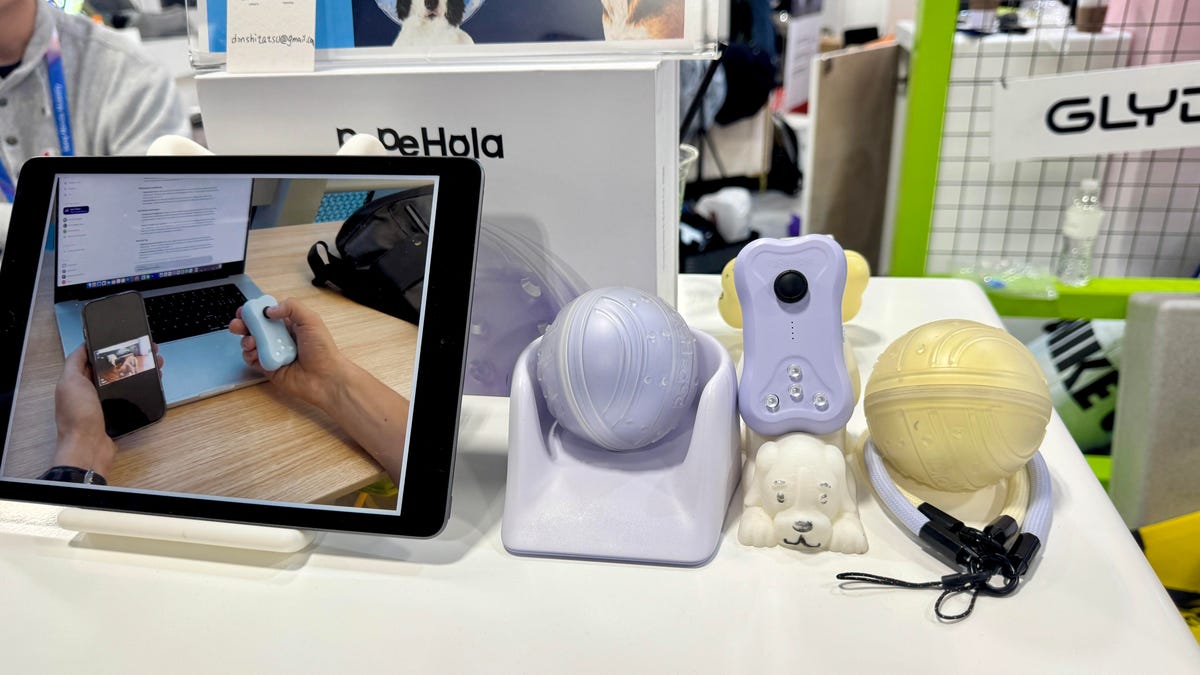
Beyond Basic Launching: What AI Adds
The core difference between older automatic fetchers and current AI-powered machines is their ability to perceive and respond. Early launchers simply threw a ball at a set distance and angle. Modern machines, however, use computer vision to identify the dog, track its movements, and dynamically adjust launch parameters.
The machine can learn a dog’s preferred fetch distance, adjust the launch angle for wind or terrain, and vary launch speed to keep things interesting. Some systems recognize multiple dogs, allowing for playdates without constant human intervention, a significant step up from manually adjusting settings for each dog.
Personalized training programs are emerging. These programs use AI to adapt to a dog’s skill level, gradually increasing the difficulty of the fetch session. For example, the machine might start with short, easy throws and gradually increase distance and speed as the dog improves recall and endurance. This offers a level of customization not seen before.
The Loona Robot Dog, while not a fetch machine, offers a glimpse into AI companion technology. Its ability to recognize faces, respond to voice commands, and express emotions demonstrates advancements in robotic pet interaction. It is reasonable to expect some of these capabilities will eventually transfer to specialized devices like fetch machines.
Some systems use reinforcement learning, where the machine learns what motivates a specific dog to fetch. This approach is fascinating but still in its early stages. How well these systems handle unusual dog behavior, like a dog intercepting the ball mid-air, remains to be seen.
Training Applications: More Than Just Fun
While the entertainment value is obvious, the training benefits of consistent fetch facilitated by these machines are substantial. Regular fetch sessions improve a dog's recall, endurance, and focus, all essential components of good behavior. It is a physical and mental workout rolled into one.
For dogs with high energy levels or those prone to destructive behavior, an AI-powered fetch machine can be a lifesaver. It provides a constructive outlet for their energy, reducing boredom and anxiety. Mental stimulation is as important as physical exercise, and the challenge of anticipating the ball’s trajectory keeps a dog engaged and mentally sharp.
A paper from bu.edu detailed the development of an automatic ball thrower, highlighting challenges with consistent launch mechanics and reliable ball detection. AI addresses many of those earlier limitations. Original designs often struggled with accuracy and required frequent adjustments; AI-powered systems are far more adaptable and require less human intervention.
These machines aren’t intended to replace human interaction; they are a supplement to traditional training and playtime. A dog still needs socialization, affection, and guidance from its owner. These machines can free up owners to focus on other aspects of training and bonding.
Anecdotal reports from trainers indicate they are using these machines to reinforce recall commands. The machine launches the ball, the owner gives the recall command, and the dog is rewarded upon return. This offers a consistent and reliable way to practice this important skill.
Current Models: A Snapshot of 2024
The market for AI-powered fetch machines is still relatively new, but several key players are emerging. As of late 2024, the 'FetchAI Pro' is generating buzz for its advanced computer vision capabilities and customizable training programs. It is priced around $499 and designed for medium to large breeds.
The 'SmartFetch X500' is another popular option, focusing on durability and ease of use. It has a rugged construction and a simple interface, making it a good choice for owners who want a reliable machine without many extra features. It is available for around $349 and accommodates small to medium-sized dogs.
"AutoFetch AI" takes a different approach, offering a subscription-based model where users pay a monthly fee for access to advanced AI features and software updates. The initial hardware cost is lower ($249), but the ongoing subscription adds to the overall expense.
There is a lot of variation in ball size compatibility. Some machines are limited to specific ball sizes, while others offer more flexibility. Checking the specifications carefully is important to ensure the machine can accommodate your dog’s preferred ball.
Early adopter reviews are generally positive, with owners praising the machines’ ability to keep their dogs entertained and engaged. However, concerns exist about the machines’ reliability and the accuracy of the AI. Researching and reading reviews before making a purchase is advisable. Declaring a 'best' model yet is premature, as the technology is evolving rapidly.
AI-Powered Dog Fetch Machines: A Comparative Overview (2026)
| Model Name | Key Features (AI Capabilities, Launch Distance, Ball Size) | Target Dog Size | Approximate Price Range | Pros | Cons |
|---|---|---|---|---|---|
| FetchAI Pro | Utilizes object recognition to learn dog's preferred fetch locations and adjusts launch points. Variable launch distance; compatible with standard tennis ball size. Includes basic activity tracking. | Medium to Large (20-80lbs) | $400 - $600 | Adaptive learning improves engagement. Activity tracking provides insights into play sessions. Durable construction. | Can struggle with inconsistent ball pickup. AI learning curve may require initial owner input. |
| SmartFetch X500 | Employs predictive trajectory analysis to anticipate dog's running path. Launch distance adjustable up to 200ft. Uses slightly smaller, proprietary balls for consistent launching. | Small to Medium (10-50lbs) | $300 - $500 | Longer launch distances suitable for larger spaces. Consistent ball launching minimizes jams. Predictive AI enhances the fetch experience. | Proprietary balls require repurchase. May be less engaging for dogs who prefer standard tennis balls. |
| AutoFetch Vision | Vision-based system identifies dog and adjusts launch angle to avoid obstacles. Launch distance is moderate; uses standard tennis balls. Offers limited customization options. | All Sizes (5-90lbs) | $250 - $450 | Obstacle avoidance enhances safety. Works with readily available tennis balls. Suitable for a wide range of dog sizes. | AI is less sophisticated than competitors. Limited customization of launch settings. |
| PlayBot AI | Focuses on gamification, varying launch patterns and distances to maintain dog's interest. Compatible with multiple ball sizes. Basic distance settings available. | Small to Large (15-75lbs) | $350 - $550 | Gamified fetch keeps dogs engaged. Versatile ball size compatibility. Relatively simple setup. | AI primarily focuses on variation, not personalized learning. May not be ideal for dogs with specific training needs. |
| FetchMaster 3000 | Utilizes a basic object detection system to launch balls. Offers a fixed launch distance. Compatible with standard tennis balls. | Medium to Large (30-90lbs) | $200 - $350 | More affordable entry point into AI-powered fetch. Simple operation. | Limited AI functionality. Fixed launch distance may become repetitive. Less adaptable to individual dog preferences. |
Illustrative comparison based on the article research brief. Verify current pricing, limits, and product details in the official docs before relying on it.
The Tech Under the Hood: How It Works
At the heart of these machines is a combination of hardware and software working in concert. Core components include a camera system—typically a high-resolution camera with image processing algorithms—a launch mechanism, and the AI algorithms that tie it all together.
The camera system captures images of the dog and its surroundings. AI algorithms then analyze these images to identify the dog, track its movements, and estimate its distance from the machine. This information adjusts the launch angle and speed of the ball.
The launch mechanism varies by machine. Some use a rotating wheel to propel the ball, while others use a pneumatic system. The key is achieving consistent and accurate launches.
The AI algorithms themselves rely on machine learning techniques, specifically deep learning. These algorithms are trained on vast datasets of images and videos of dogs playing fetch. The more data the algorithms have access to, the more accurate they become.
Developing robust computer vision systems that can handle varying lighting conditions, dog breeds, and backgrounds is a significant challenge. The AI needs to be able to distinguish between a dog and other objects in the environment, and it needs to be able to track the dog’s movements accurately, even in low light. This is an area where ongoing research and development are crucial.
Safety and Supervision: Important Considerations
While these machines offer convenience and entertainment, safety should always be the top priority. It's crucial to supervise dogs during fetch sessions, even with AI-powered machines. These machines are tools, and responsible ownership is still paramount.
Potential hazards include collisions with the machine, overexertion, and ball ingestion. Some dogs may become overly focused on the machine and ignore their surroundings, increasing the risk of accidents. It’s important to ensure the play area is clear of obstacles and that the dog is not playing for extended periods without breaks.
Regularly inspect the machine for any signs of damage or wear and tear. Ensure the ball launcher is functioning properly and that the safety features are working as intended. A malfunctioning machine could pose a risk to your dog.
Consider your dog’s physical condition and limitations. If your dog has joint problems or other health concerns, consult with your veterinarian before using a fetch machine. It’s important to ensure the activity is appropriate for your dog’s age and fitness level.
I recommend starting with short fetch sessions and gradually increasing the duration as your dog gets more comfortable. Always provide plenty of water and encourage your dog to rest when needed. A tired dog is more prone to injury.
Looking Ahead: AI Fetch in 2026 and Beyond
By 2026, I anticipate we’ll see significant advancements in AI-powered fetch machines. Integration with wearable fitness trackers for dogs seems like a natural progression. These trackers could provide data on a dog’s activity level, heart rate, and even stress levels, allowing the machine to adjust the intensity of the fetch session accordingly.
More sophisticated training algorithms are also on the horizon. We might see machines that can teach dogs new tricks or address specific behavioral issues through targeted fetch-based exercises. Imagine a machine that can help a dog overcome its fear of loud noises by gradually introducing them during fetch sessions.
Voice control is another likely development. Being able to control the machine with voice commands would free up your hands and make the experience even more interactive. Integration with smart home ecosystems is also a possibility, allowing you to schedule fetch sessions or control the machine remotely.
However, these advancements also raise ethical considerations. As pet technology becomes more autonomous, we need to think about the impact on the human-animal bond. Will these machines enhance our relationships with our dogs, or will they create a sense of distance? It’s a question worth pondering.
I believe the future of AI fetch lies in personalization and adaptability. Machines will become increasingly adept at understanding a dog’s individual needs and preferences, providing a truly customized and enriching experience. But it’s essential to remember that technology is just a tool. The most important thing is to provide our dogs with love, attention, and responsible care.

No comments yet. Be the first to share your thoughts!