

The Rise of the AI Fetcher
Remember the days of a sore arm and endless throwing? As dog owners, we all know the struggle of keeping an energetic pup entertained. It’s rewarding, absolutely, but exhausting. For years, we’ve relied on our own stamina, but now a new wave of technology is changing the game: AI-powered dog fetch machines.
Automatic fetch machines aren't exactly new. The early models were essentially simple ball launchers, offering a bit of relief for tired owners. But they lacked intelligence. They couldn’t adapt to a dog’s skill level, or provide any real training benefit. Now, we’re seeing a shift – a move from passive entertainment to active training, driven by artificial intelligence.
These aren't just toys; they're sophisticated training tools. They learn about your dog, adjust to their abilities, and provide a consistent, engaging workout. The integration of AI is what separates these machines from earlier iterations, offering a level of personalization and effectiveness we haven’t seen before. It’s a pretty big leap forward.
The appeal is clear. These machines offer convenience, consistency, and a way to mentally and physically stimulate dogs, even when owners are busy or unable to participate in a traditional game of fetch. This is especially important for working breeds or dogs with high energy levels that require significant daily exercise.
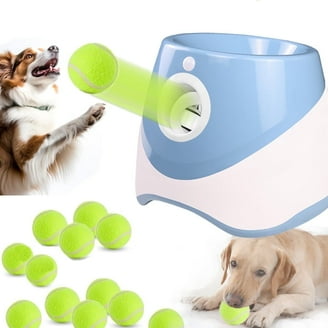
Beyond Ball Launching: What AI Adds
So, what exactly does 'AI-powered' mean when it comes to a dog fetch machine? It’s more than just a fancy label. These machines are equipped with sensors and algorithms that allow them to analyze and respond to a dog’s behavior during fetch.
One key feature is adaptive distance control. The machine can adjust the launch distance based on the dog’s size and breed. A smaller dog, like a Cavalier King Charles Spaniel, will receive shorter launches than a larger, more athletic breed like a Border Collie. This prevents overexertion and ensures a safe, enjoyable experience for all dogs.
Variable launch angles are another important element. Some machines can adjust the angle of the launch, adding an element of unpredictability and challenge. This helps to improve a dog’s tracking skills and keeps them engaged. They’re not just waiting for a ball to fly in a straight line.
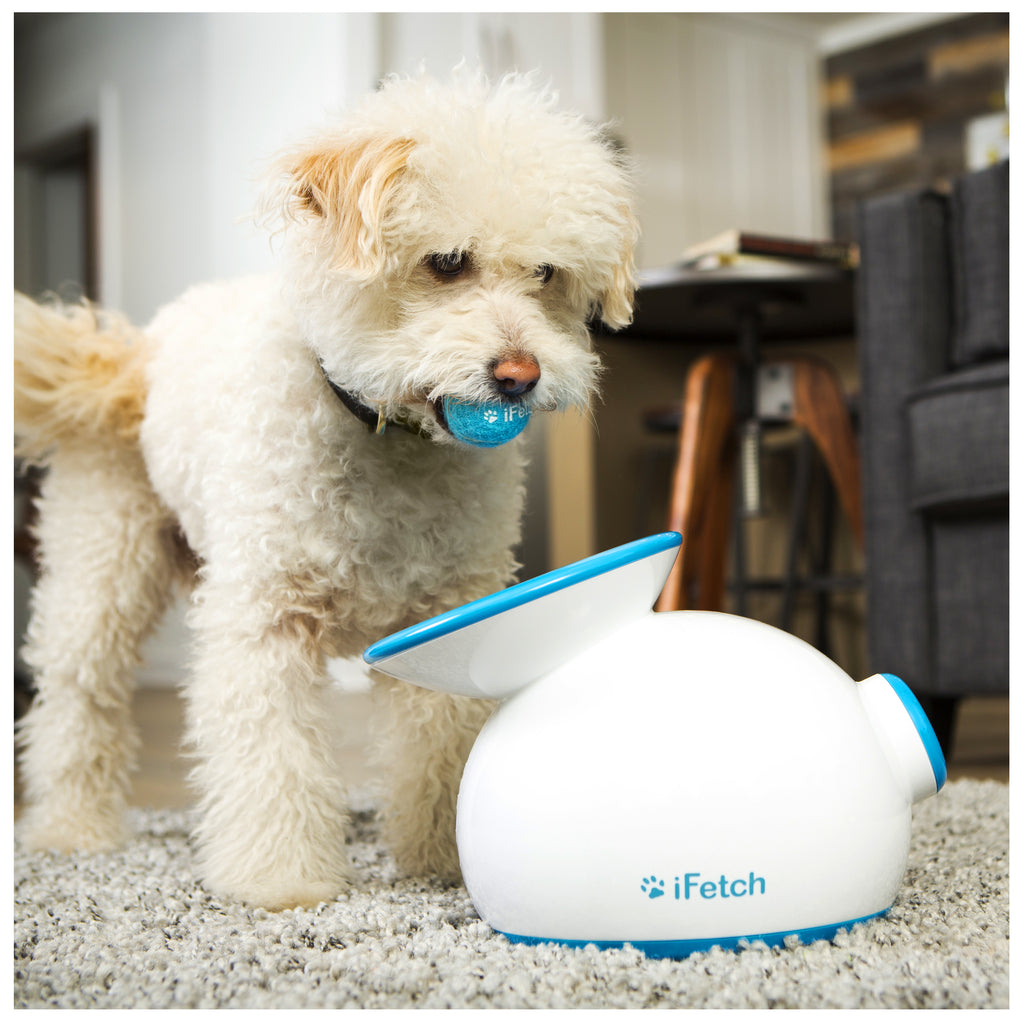
Perhaps most impressively, these machines can track fetch sessions and analyze a dog’s performance. They can measure speed, accuracy, and return time, and then adjust the difficulty accordingly. This creates a personalized training experience that’s tailored to the dog’s individual needs. The iFetch series, for example, allows users to adjust launch distances via a smartphone app.
It’s important to remember that these machines aren’t designed to replace human interaction. They are tools to supplement existing training and provide additional mental and physical stimulation. They’re not about automating playtime; they’re about enhancing it.
Top Fetch Machines of 2026
The market for AI-powered fetch machines is evolving rapidly, but several models stand out as leaders in 2026. Here's a look at some of the top contenders, based on current trends and features.
The iFetch Frenzy remains a popular entry-level option. It’s designed for smaller dogs and uses smaller, soft balls. While its AI capabilities are relatively basic—primarily focusing on adjustable launch distances—it’s a reliable and affordable choice for owners of smaller breeds. You can generally find it around the $150-$200 price point.
Stepping up in complexity and price is the AFP Interactives Maxi Hyper Fetch Machine. This machine is designed for larger dogs and can launch balls much further. It features more advanced AI algorithms that analyze a dog’s fetch patterns and adjust the launch angle and distance accordingly. It’s a mid-range option, typically costing between $250 and $400.
The IDogmate Smart Automatic Dog Ball Launcher is a premium option that boasts a wide range of features. It includes a built-in camera for remote monitoring, voice control capabilities, and a sophisticated AI system that provides personalized training programs. It’s the most expensive option, often exceeding $500, but it offers the most comprehensive set of features.
Newer to the scene is the 'FetchAI Pro' from GoFetch – a company that's heavily invested in the training side of things. It's a premium machine, comparable in price to the IDogmate, but it focuses heavily on data analysis and provides detailed reports on a dog's performance. It also integrates with a subscription-based online training platform.
Finally, the 'Pawsitive Launcher' is gaining traction. It's a mid-range machine that emphasizes safety features, including a soft ball design and automatic shut-off sensors. It’s a good option for owners who are concerned about potential injuries.
Training with AI: A New Approach
AI fetch machines aren’t just about keeping your dog busy; they’re about providing a structured, effective training experience. The consistent and predictable nature of the machine can be incredibly beneficial for improving several key skills.
Recall is a prime example. By using the machine to launch the ball and then calling your dog back, you can reinforce the recall command in a controlled environment. The machine provides a clear incentive for the dog to return, making the training more effective. Consistent use will strengthen that recall.
These machines can also help to improve a dog’s focus and concentration. The repetitive nature of the fetch session requires the dog to stay engaged and attentive. This can be particularly helpful for dogs who are easily distracted. It’s a mental workout as much as a physical one.
However, it’s important to avoid over-reliance on the machine. These tools should supplement, not replace, human interaction and training. Traditional fetch training methods, such as using hand signals and verbal cues, are still essential. The machine is best used as a tool to reinforce those skills.
A blended approach – combining machine-assisted training with traditional methods – is the most effective way to maximize the benefits. Use the machine for consistent practice, and then incorporate more challenging exercises with human guidance.
Safety First: Considerations and Precautions
While AI fetch machines offer numerous benefits, it’s crucial to prioritize safety. These machines launch projectiles, and there are potential hazards that owners need to be aware of. Ignoring these risks can lead to serious injury.
Eye injuries are a primary concern. Always ensure that your dog is wearing protective eyewear, especially if they are prone to chasing balls directly into the path of the launcher. Even a glancing blow can cause significant damage. The Tractor Supply operating guide stresses the importance of this.
Entanglement is another risk, particularly with machines that use flexible launchers. Ensure that the area around the machine is clear of any obstacles that could cause the dog to become entangled. Regularly inspect the machine for any loose parts or potential hazards.
Overexertion is also a concern, especially with high-energy dogs. Monitor your dog closely for signs of fatigue, such as excessive panting, slowing down, or reluctance to continue playing. Adjust the launch distance and frequency accordingly.
Always supervise your dog while they are using the machine. Never leave them unattended. Regularly inspect the machine for wear and tear, and follow the manufacturer’s instructions for maintenance. Choosing the right ball size is also vital – too small, and it's a choking hazard; too large, and it could cause jaw strain.
Troubleshooting Common Issues
Even the best AI fetch machines can experience occasional problems. Being prepared to troubleshoot common issues can save you time and frustration. Here are some of the most frequent challenges and how to address them.
Ball jams are a common occurrence. Most machines have a reset button or a manual clearing mechanism. Consult the manufacturer’s instructions for specific guidance. Regularly cleaning the machine and using the correct type of ball can help to prevent jams.
Connectivity issues can arise with machines that rely on Wi-Fi or Bluetooth. Ensure that your network is stable and that the machine is within range of the signal. Restarting the machine and your router can often resolve these problems.
Software glitches can sometimes occur. Check the manufacturer’s website for software updates and install them promptly. If the problem persists, contact customer support for assistance.
Dog reluctance to use the machine is a surprisingly common issue. Start by introducing the machine slowly and gradually. Use positive reinforcement, such as treats and praise, to encourage your dog to approach and interact with it. Some dogs simply prefer a human thrower, and that’s okay.
The Future of Fetch: What’s Next?
The technology behind AI-powered dog fetch machines is still in its early stages, and the future holds exciting possibilities. We can expect to see significant advancements in the coming years.
Integration with smart home systems is a likely development. Imagine being able to control the machine with voice commands or schedule fetch sessions remotely. This would add a new level of convenience and flexibility.
Personalized training programs based on genetic predispositions are another intriguing possibility. By analyzing a dog’s DNA, it may be possible to tailor the training program to their specific breed and individual needs. This could optimize the effectiveness of the training and help dogs reach their full potential.
The use of computer vision to provide real-time feedback on a dog’s form is also on the horizon. The machine could analyze the dog’s running gait and jumping technique and provide suggestions for improvement. This would be particularly valuable for athletic dogs or those undergoing rehabilitation.
We might also see machines that can automatically adjust the ball type based on the dog’s preferences or the weather conditions. And expect more robust data analytics, providing owners with detailed insights into their dog’s activity levels and training progress.
Community Voices: Real Owners, Real Results
Don't just take our word for it. Here's what some dog owners are saying about their experiences with AI fetch machines.
’My Border Collie, Skye, has endless energy. This machine is a lifesaver! It keeps her mentally and physically stimulated, even when I’m busy working.’ – Sarah M., Colorado.
’I was worried my older Labrador, Gus, wouldn’t be able to adapt, but he took to it immediately. It’s great for keeping him active without putting too much strain on his joints.’ – David L., California.
’The data tracking features are amazing. I can see how much exercise my dog is getting each day, and I can adjust the training program accordingly.’ – Emily K., Texas.
’It's not a replacement for playing with my dog, but it's a fantastic supplement. It gives him something to do when ’ – Mark B., New York

No comments yet. Be the first to share your thoughts!