
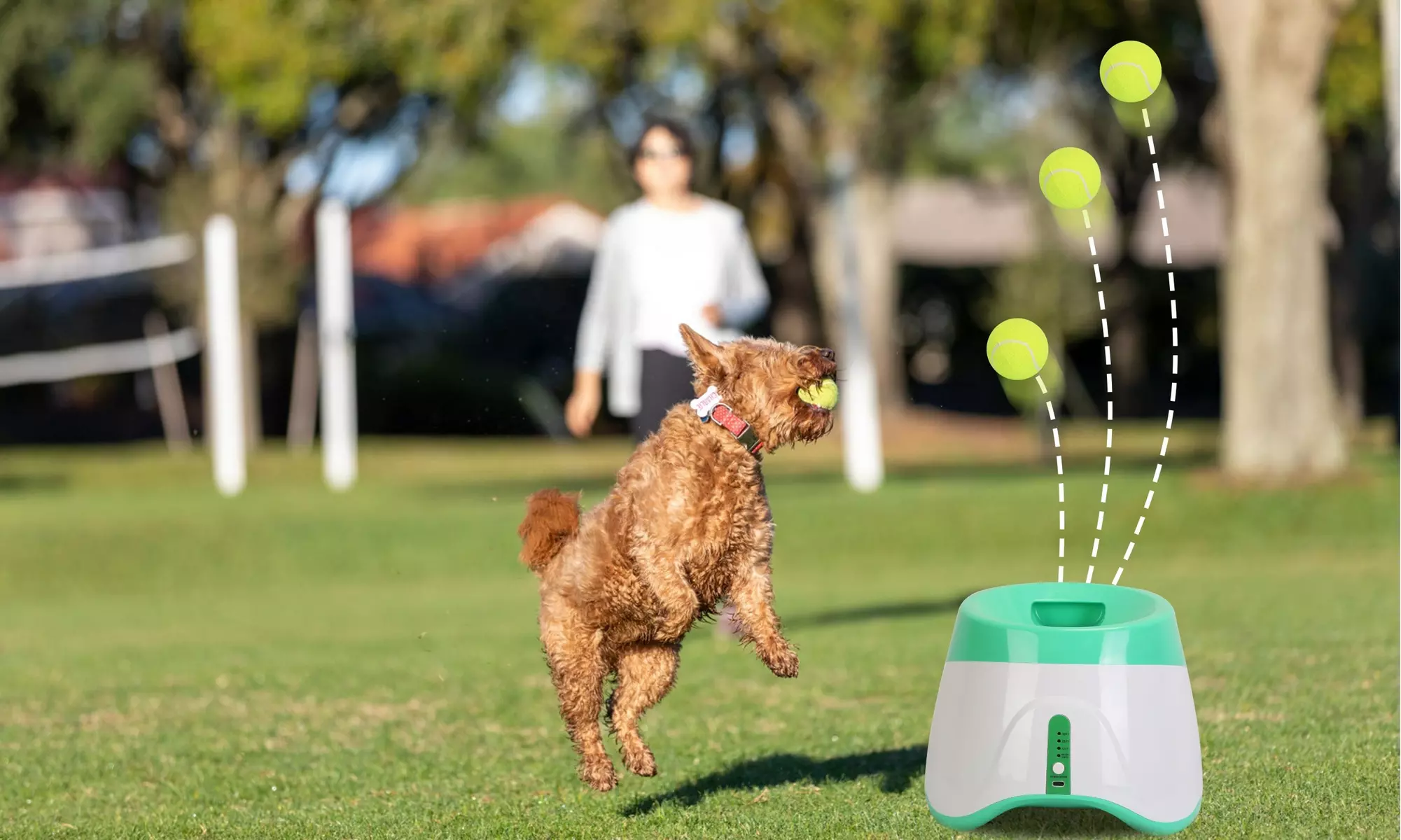

Choose the right toy for your dog
Picking the right tool is the difference between a game that builds confidence and one that frustrates both of you. A successful fetch session relies on a toy that matches your dog’s size, chewing style, and energy level. Think of the toy as the bridge between you and your pet; if the bridge is too fragile or too slippery, the connection breaks.
Start by evaluating durability. A toy that falls apart in minutes can become a choking hazard or a source of digestive distress. For aggressive chewers, solid rubber or heavy-duty nylon offers longevity. For gentle players or those who love to carry, plush toys with reinforced stitching provide the soft satisfaction they crave. Tennis balls are classic but wear down quickly, especially for dogs with strong jaws, so inspect them regularly for fuzz loss or splitting.
Size matters just as much as material. The toy should be large enough that your dog cannot swallow it whole, yet small enough to carry comfortably in their mouth. If it’s too heavy, they won’t want to bring it back. If it’s too light, it might not trigger their prey drive effectively. A good rule of thumb is that the toy should be slightly larger than your dog’s snout.
To help you decide, here is a quick comparison of common fetch toy types:
Start with the drop command
Before your dog can be a true "Far Fetcher," they must understand that the game never truly ends as long as they hold the prize. Without a reliable "drop it" cue, fetch becomes a tug-of-war you are likely to lose. The object stays in their mouth, their guard tightens, and the fun stops. Establishing this release command is the critical safety and control mechanism that allows the fetch game to continue without the dog guarding the item.
Think of the "drop it" cue not as a command to surrender, but as a high-value trade. You are offering something better than what they currently hold. This approach prevents resource guarding and keeps the dog eager to participate. If you try to pry the toy away, you teach the dog to hide it or growl, which kills the spirit of the game.
Trade up for the release
Begin by holding a high-value treat in your closed fist near your dog’s nose. Let them sniff and lick your hand, but do not open it. The moment they pull their head back or stop trying to get the treat, mark that behavior with a verbal "yes" and open your hand to give them the treat. This teaches them that disengaging from an object leads to rewards.
Once they understand the hand signal, introduce the verbal cue "drop it" while holding the treat near their nose. Present a low-value toy to your dog. When they pick it up, say "drop it" and show the treat. When they release the toy to take the treat, mark the release and give them the food. Repeat this until the verbal cue alone prompts the release.
Make the trade exciting
As your dog gets better at releasing the item, increase the value of the trade. Use pieces of chicken, cheese, or their favorite kibble. The better the trade, the faster they will let go. This is especially important during fetch, where the dog is excited and distracted by the movement of the ball or frisbee.
Practice this in low-distraction environments first. Once your dog reliably drops the toy for a treat in the living room, move to the yard. Gradually increase the distance between you and your dog before giving the cue. The goal is for your dog to drop the toy the moment you say "drop it," regardless of how exciting the game has become.
Integrate into fetch
Now, combine the drop command with the fetch game. Throw the toy and encourage your dog to bring it back. When they return, do not reach for the toy immediately. Instead, stand still and use your "drop it" cue. When they drop it, immediately reward with the high-value treat and praise.
After the reward, throw the toy again. This creates a cycle: fetch, drop, trade, repeat. Your dog learns that dropping the toy is the gateway to the next throw. This keeps the game moving and prevents the dog from holding onto the toy for too long. Over time, you can fade out the food reward and replace it with the joy of the next throw, but always keep the trade positive.
Teach the retrieve step by step
The fetch command is a game of catch, but for a dog, the "catch" is just the beginning. To build a reliable Far Fetcher, you need to break the action into four distinct phases: the throw, the chase, the pick-up, and the return. Each phase requires its own cue and reward. If you try to teach it all at once, your dog will likely get confused or bored.
Think of this process like teaching a child to ride a bike. You don’t start with the handlebars; you start with training wheels. Here is the sequence to shape the behavior from start to finish.
Consistency is the engine of this training. Keep sessions under five minutes to prevent frustration. If your dog loses interest, switch to a different game or end the session on a high note. You are building a habit, not just a trick.
Fix common fetch mistakes
Even the most enthusiastic dog can develop bad habits during fetch training. These errors usually stem from unclear cues or mismatched energy levels. By identifying the specific mistake, you can correct it quickly and keep the game fun.
The dog runs away with the toy
This happens when the dog learns that running away equals a longer game. They interpret your frustration as play. To stop this, stay calm and turn your back. Make yourself boring by crossing your arms and looking away. When the dog drops the toy or looks at you, immediately reward with praise and a new throw. Do not chase them; chasing reinforces the escape.
The dog drops the toy too early
Some dogs drop the toy as soon as you pick it up, or even before you reach it. This breaks the "bring it back" chain. Fix this by practicing a "trade" command. Offer a high-value treat in exchange for the toy. Once the dog willingly hands over the item, reward generously. Gradually increase the distance you move away from the drop point before offering the trade.
The dog loses interest
Boredom is the enemy of fetch. If the toy is dull or the throws are predictable, your dog will disengage. Switch toys to keep things fresh. Vary the distance and direction of your throws. If the dog sits or walks away, end the session on a high note rather than forcing more play. A short, exciting game is better than a long, tedious one.
Watch a pro fetch demo
Seeing the mechanics in motion clarifies the timing that text alone can miss. A professional handler moves with economy, making the exchange feel like a conversation rather than a tug-of-war. This visual reference helps you spot the subtle cues that signal your dog is ready to release.
Watch how the thrower stands with a relaxed posture, keeping the throw low and predictable. Notice the moment the dog catches the object and immediately turns back. The handler rewards this return with enthusiasm before asking for the drop, reinforcing the full cycle of the fetch.
Frequently Asked Questions About Fetch Training
Even experienced handlers run into hiccups when teaching a dog to fetch. Here are answers to the most common questions we get from new "Far Fetchers."
No comments yet. Be the first to share your thoughts!