

Can senior dogs still play fetch?
Old dogs learn just fine. While they might not sprint like they used to, they still need to use their brains and move their legs. Keeping a senior dog active helps prevent the mental fog and stiffness that often sets in during their later years.
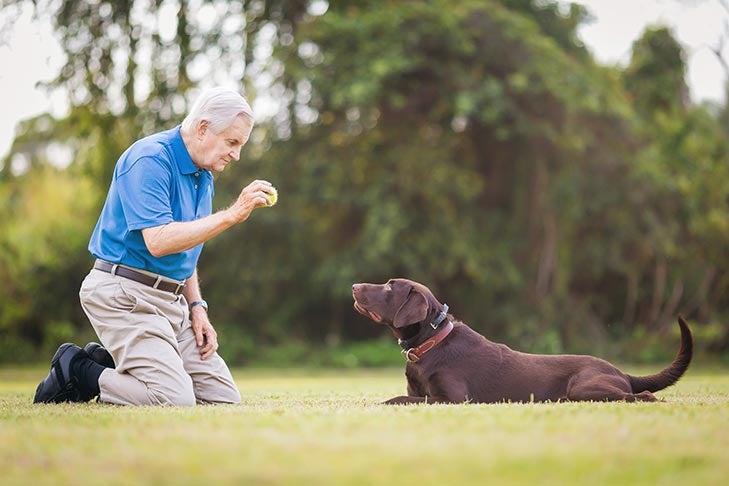
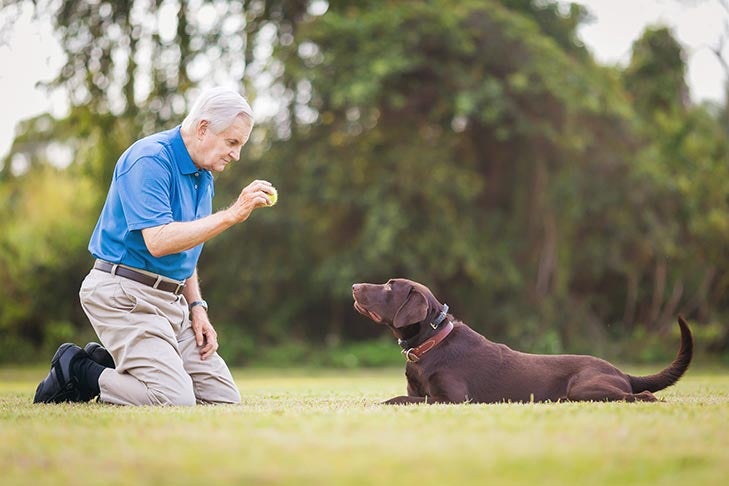
Fetch, when adapted appropriately, can be a fantastic activity for older dogs. We aren’t talking about high-energy, long-distance retrieves here. Instead, think of it as a fun, low-impact way to keep their minds sharp and maintain a connection. It’s about enjoying quality time together, modified to suit their current capabilities.
If your dog is over seven, you have to change how you play. This means shorter distances, softer toys, and watching for signs that they've had enough.
How aging changes the game
As dogs age, their bodies undergo a number of changes that can impact their ability to participate in physical activities like fetch. It’s essential to understand these changes to tailor your approach and avoid causing discomfort or injury. Best Friends Pet Care highlights the importance of recognizing these shifts, noting that early detection can help manage age-related conditions effectively.
Arthritis is a common ailment in senior dogs, causing inflammation and pain in the joints. This can make it difficult for them to run, jump, and even walk comfortably. The range of motion in their hips, elbows, and knees decreases, and they may experience stiffness, especially after resting. This impacts their ability to quickly change direction or cover long distances while fetching.
Vision and hearing loss are also frequent occurrences. Decreased vision can make it harder for them to track the toy, while diminished hearing can affect their ability to respond to your commands. Dental issues, like worn teeth or gum disease, can make it painful to grip and carry objects. Finally, overall stamina naturally declines with age, meaning they tire more easily.
Reduced stamina isn’t simply about being "out of shape.’ It’s a natural physiological change. Their cardiovascular system becomes less efficient, and their muscles lose some of their strength and endurance. Understanding these limitations is the first step towards adapting fetch to a level that"s enjoyable and safe for your senior companion.
Vet Check: The First Step
Check with your vet before starting a new routine. A quick exam can catch heart issues or early arthritis that might not be obvious when your dog is just lying on the couch. They can tell you if your dog's joints are up for the impact of a chase.
Specifically, ask your vet about pain management options if your dog has arthritis. They can discuss medications or supplements that might help alleviate discomfort. Also, inquire about appropriate exercise levels based on your dog’s individual condition. What’s a safe distance to throw the toy? How much activity is too much?
Crucially, ask what signs to watch for that might indicate your dog is experiencing pain or fatigue during fetch. These could include limping, panting excessively, lagging behind, or a reluctance to continue. The vet can provide a personalized list of warning signs specific to your dog’s health profile. A proactive approach is always best.
Better gear for older joints
Adapting the game often means adapting the gear. For senior dogs, comfort is paramount. Start with softer toys that are gentle on aging teeth and gums. Rubber toys, plush toys, or even old t-shirts tied into knots can be good options. Avoid anything too hard or brittle that could cause dental damage.
Consider investing in an automatic fetch machine, like those offered by Far Fetchers. These can reduce the strain on your arm and allow your dog to retrieve at their own pace. Look for models with adjustable launch distances and speeds. They are particularly helpful if you have mobility issues yourself.
If your dog has vision loss, brightly colored toys can make them easier to track. Toys that make a sound, like those with a squeaker, can also be helpful. For dogs who need a little extra motivation, a lightweight, weighted vest can provide a sense of security and encourage movement. Just be sure the vest isn’t too heavy.
- Use rubber, plush, or knotted fabric toys that won't hurt their teeth.
- Automatic launchers are great if you want to set a consistent, slow pace.
- Brightly Colored Toys: Easier for dogs with vision loss.
- Weighted Vests: Lightweight options for motivation.
Keep sessions short
Preventing overexertion is paramount when training a senior dog. Keep fetch sessions short and sweet – 5 to 10 minutes max. Multiple short sessions throughout the day are preferable to one long session. Pay close attention to your dog’s body language and energy levels.
Avoid playing fetch on hard surfaces like concrete or asphalt. These surfaces can put extra stress on their joints. Opt for grassy areas or soft surfaces instead. Always have fresh water available for your dog to drink during and after the session.
Monitor your dog closely for signs of fatigue or discomfort. These include excessive panting, lagging behind, limping, or a general reluctance to continue. If you notice any of these signs, stop immediately. It’s okay if they only retrieve the toy a few times. Quality over quantity is the guiding principle.
- Session Length: 5-10 minutes max.
- Surface: Grassy or soft surfaces.
- Hydration: Fresh water readily available.
- Monitoring: Watch for signs of fatigue.
Troubleshooting Common Issues
You may encounter some challenges along the way. If your dog loses interest quickly, try using a higher-value treat or a more exciting toy. Keep the sessions short and engaging. If they struggle to pick up the toy, switch to a larger, easier-to-grip option. A toy with a wider opening might be easier for them to manage.
If they won’t bring the toy back, try using a longer leash to gently guide them towards you. You can also try tossing a second toy to encourage them to return. If they seem in pain at any point, stop immediately and consult your veterinarian. Don’t push through the pain; it’s not worth risking their health.
Sometimes, a dog might simply be hesitant to release the toy. In this case, don’t try to pry it from their mouth. Instead, offer a trade – a high-value treat in exchange for the toy. This can help them learn to associate giving up the toy with a positive reward. Remember to be patient and understanding.
Beyond the Retrieve: Adapting the Game
Fetch doesn’t always have to involve running and retrieving. There are plenty of variations that are gentler on the joints and still provide mental stimulation. Try hiding the toy and having your dog "find" it. This engages their sense of smell and provides a low-impact activity.
Instead of throwing the toy, roll it along the ground. This allows your dog to chase it at a slower pace. You can also use a flirt pole – a long pole with a toy attached to the end – for a low-impact chase. This allows them to engage their prey drive without putting excessive strain on their joints.
The ultimate goal is to keep your senior dog mentally stimulated and engaged, even if they can’t physically perform a traditional retrieve. Think of it as enrichment, not just exercise. Adapt the game to their abilities and focus on enjoying quality time together.

No comments yet. Be the first to share your thoughts!