
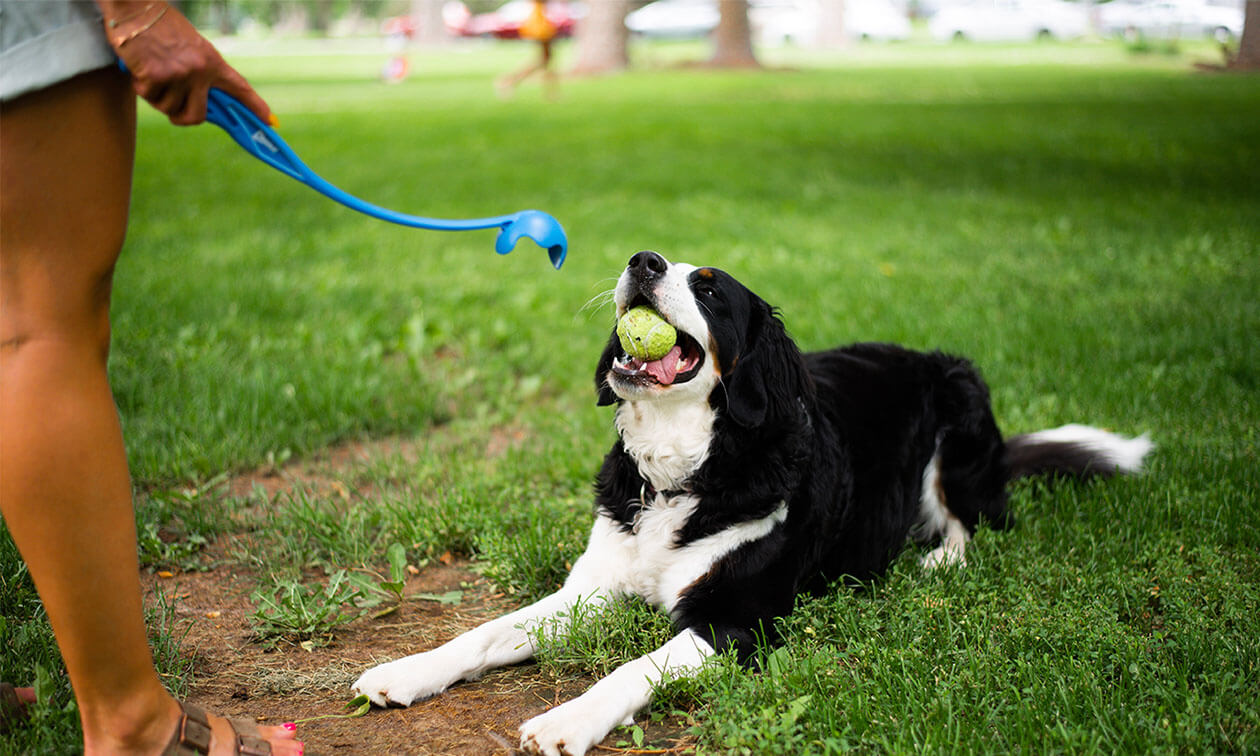

What makes a great far fetcher
An automatic fetch machine is essentially a mechanical playmate. It launches tennis balls at set intervals, keeping your dog engaged even when you are busy or tired. For a device to earn a spot in your home, it needs to balance entertainment with practical durability. The best models handle the chaos of enthusiastic play without falling apart after a few sessions.
Durability is the first line of defense. Dogs don't just pick up balls; they bite, chew, and sometimes attack the machine itself. A great far fetcher uses impact-resistant materials for the housing and protects the internal launching mechanism from debris. Look for designs that keep the ball-loading area secure, preventing small fingers or teeth from getting caught in the gears.
Ball capacity matters for how long the fun lasts. Machines with larger hoppers mean fewer refills during a play session. Some models hold enough balls for an hour of continuous activity, while others require you to stop and reload every ten minutes. A good capacity matches your dog's energy level and your willingness to manage the refills.
Safety is non-negotiable. The launching mechanism must be designed to prevent injury, with sensors that stop the machine if something obstructs the path. Always supervise your dog, especially if they are aggressive chewers or have a history of destroying toys.
Top rated automatic fetch machines
Finding the right automatic fetch machine means looking past the marketing hype to see what actually keeps a dog engaged without breaking the bank. The best options balance durability, ball size compatibility, and ease of use. A machine that jams frequently or uses fragile parts will end up in a landfill, not a living room. We focused on models that handle real-world chaos—slobber, enthusiastic chewing, and the occasional drop down the stairs.
The market has shifted from simple tennis ball launchers to self-contained units that recycle balls back into the hopper. This design reduces the need for constant human intervention, which is the whole point. However, not all "automatic" systems are created equal. Some require specific ball sizes, while others jam on slightly worn or dirty balls. Below are the top-rated models that have proven reliable in testing.


As an Amazon Associate, we may earn from qualifying purchases.
When evaluating these machines, the primary differentiator is the ball mechanism. The iFetch and PetSafe models use internal gears to throw, which can be powerful but may wear down softer balls over time. The Kurgo and Chuckit options are manual launchers, which offer more control and durability but require more physical effort from the owner. For truly hands-free play, the automatic electronic models are superior, provided your dog is not overly aggressive with the machine itself.
Safety is the next critical factor. Ensure the machine has a sensor or timing mechanism that prevents it from firing if a dog’s head is too close to the barrel. Most reputable brands include this feature, but it is worth verifying. Additionally, check the power source. Battery-operated units offer more placement flexibility, while plug-in models often provide more consistent power for heavier use. Always supervise your dog during the first few sessions to ensure they understand how to interact with the device safely.
How to train your dog to use it
Introducing a fetch machine is less about teaching a new trick and more about managing excitement. These devices move unpredictably, which can trigger a prey drive that overwhelms a dog’s impulse control. The goal is to build a positive association with the machine before expecting a successful retrieve. Start in a quiet, enclosed space with no distractions. Keep sessions short—five minutes or less—to prevent frustration or over-arousal.
Step 1: Let the dog inspect the idle machine
Before turning the device on, allow your dog to sniff and investigate it while it is stationary. This removes the mystery and helps the dog understand that the object is safe. If your dog is hesitant or shows signs of fear, offer high-value treats near the base of the machine without turning it on. This creates a neutral or positive baseline. Never force a dog to interact with the machine if they are showing clear signs of stress, such as tucked tails or lip licking.
Step 2: Introduce movement with low speed and high reward
Turn the machine on to its lowest setting. The movement should be slow and predictable, allowing your dog to track it without feeling threatened. Immediately after the ball or toy moves, toss a treat in the opposite direction. This teaches the dog that the machine’s motion predicts good things. Repeat this process several times. If the dog tries to bite the machine while it is moving, turn it off immediately. You want the dog to associate the motion with the treat, not with the machine itself as a chew toy.
Step 3: Encourage the first retrieve with a stationary target
Once the dog is comfortable with the moving object, turn the machine off. Place the ball or toy on the ground near the machine. Encourage your dog to pick it up using your usual verbal cues. Reward enthusiastically when they hold the object in their mouth. This step bridges the gap between the machine’s function and the natural behavior of fetching. It reinforces the idea that the goal is to retrieve the item, not to chase the machine itself.
Step 4: Combine motion with retrieval
Now, turn the machine back on to a low speed. As the ball or toy moves, use a clear verbal cue like "get it" or "fetch." If your dog attempts to grab the moving object, reward them heavily. If they fail, turn the machine off and reset. Gradually increase the speed and complexity of the movement only after your dog is consistently successful at lower speeds. This progressive approach ensures that your dog builds confidence and skill without becoming overwhelmed.
Step 5: Practice in varied environments
Once your dog masters the machine in a quiet room, gradually introduce distractions. Move to a larger yard or a different room with more stimuli. This helps generalize the behavior and ensures your dog can focus on the task despite external interruptions. Always end sessions on a positive note, with a successful retrieve and plenty of praise. This reinforces the fun aspect of the activity and keeps your dog eager for the next round.
Far fetchers vs manual balls
Choosing between an automatic fetcher and a traditional tennis ball comes down to how much energy your dog has and how much effort you want to put in. Manual balls offer a direct connection, but they require you to be the launcher. Automatic machines handle the heavy lifting, turning your backyard into a continuous play zone.
The table below breaks down the practical differences. If you have a high-drive breed that needs constant movement, the machine is often the better tool. For casual play or training recall, a simple ball keeps things simple.
| Feature | Manual Ball | Automatic Fetcher |
|---|---|---|
| Effort | High (you throw every time) | Low (set and forget) |
| Range | Arm strength limited | Consistent 20-50 ft |
| Engagement | Direct owner-dog bond | Independent play |
| Maintenance | Wash and replace balls | Clean tray and check batteries |
| Cost | Low ($5-$15) | Moderate to High ($50-$200+) |
Automatic fetchers are not a replacement for interaction; they are a supplement. Think of them as a playmate that never gets tired. They are ideal for days when you are busy or when your dog needs to burn off excess energy before bed. However, for dogs that are easily frustrated or have joint issues, the repetitive high-impact running might be too much. Always supervise play with any machine to ensure safety.
Common questions about fetch machines
Automatic fetch machines let dogs play alone, but safety and maintenance matter. These questions cover the basics for keeping your dog safe and your machine running.
No comments yet. Be the first to share your thoughts!