

The Fetch Challenge Takes Off
Instagram is buzzing with the 'Fetch Challenge,' a trend featuring dogs patiently (or not so patiently) trying to teach their humans how to play fetch. Accounts like 'The Dog is Winning' are popular, showing dogs dropping balls at the feet of owners who just can't seem to get the throw right.
The humor comes from the role reversal: dogs are the instructors, and humans are the clueless students. This relatable dynamic clearly resonates with dog owners everywhere.
This trend celebrates the joy and connection found in playing with our dogs. The videos go viral because they're fun and remind us of our dogs' playful spirit. It's about the love of the game.
The dogs' expressions of confusion, frustration, and determination are priceless. One video from "The Dog is Winning’ showed a dog repeatedly dropping a ball at its owner’s feet after consistently poor throws. It"s a hilarious commentary on human incompetence.
Content is being updated. Check back soon.
Why Dogs Love Fetch (It's Not Just Fun)
Fetch is more than just fun for dogs. The drive to chase and retrieve is deeply ingrained, stemming from their ancestry as hunters. For many breeds, fetching mimics hunting prey: the chase, the capture, and the return.
Fetch provides significant mental and physical stimulation. Running, jumping, and focusing on the toy offer excellent exercise. It also challenges their brains as they track the toy, anticipate its trajectory, and respond to cues. This mental workout is as important as the physical one.
Fetch is incredibly rewarding from a neurochemical standpoint. Chasing and retrieving trigger dopamine release, a neurotransmitter associated with pleasure and motivation. This dopamine rush reinforces the behavior, making dogs want to repeat it, and explains why they can play for hours. Consistent, enthusiastic praise during fetch is effective because of this.
Understanding this drive is important for successful training. It's about tapping into a natural instinct and channeling it into a fun, rewarding activity. Recognizing the evolutionary and neurological benefits explains why fetch is so compelling for dogs.
Building a Solid Foundation: Recall First
Before throwing a ball, your dog needs a rock-solid recall. A reliable recall means your dog comes back every time you call, regardless of distractions. Fetch relies on your dog returning the toy, and a poor recall turns a fun game into a frustrating chase. Many owners struggle because they skip this step.
Build recall with positive reinforcement. Use high-value treats like small pieces of cooked chicken, cheese, or hot dog. Start in a low-distraction environment, like your living room. Say your dog’s name followed by your recall cue ('Come!'), and when they come, reward them with praise and a treat. Repeat this many times.
Gradually increase difficulty by adding distractions. Practice in your backyard, then at a park, and eventually in more challenging environments. Keep rewards high and be patient. If your dog doesn’t come right away, don’t punish them. Go back to a simpler environment and practice more. Consistency is essential so your dog associates their name and the recall cue with something positive.
A common mistake is practicing recall only when you need your dog to come back. Make it a regular part of your training routine, even without a specific purpose. This reinforces the behavior and makes it more reliable when it matters. A strong recall is the foundation for a safe and enjoyable game of fetch.
Introducing the Fetch: The First Throw
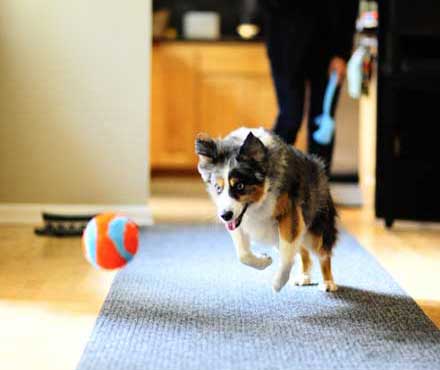
Once your dog has a reliable recall, introduce fetch. Make the first experience positive and engaging. Get your dog excited about the toy by playing with it and building anticipation. A favorite squeaky ball or a durable frisbee are good choices.
Introduce your release cue – 'Fetch!' is common. Say the cue as you throw the toy a short distance. Keep the throw low and easy so your dog has a good chance of success. As they retrieve it, offer enthusiastic praise ('Good fetch!').
When your dog returns with the toy, take it gently and reward them with praise and a treat. Avoid grabbing the toy roughly, as this could discourage them from bringing it back. If your dog doesn’t understand, go back to basics. Show them how to pick up the toy and reward them for doing so. You might gently guide them through the first few retrieves.
If your dog loses interest quickly, try a different toy or shorten the throwing distance. If they don’t understand the concept, break it down into smaller steps. Patience and positive reinforcement are important. The initial introduction builds a positive association with the game.
Leveling Up: Distance and Variety
Once your dog understands the basic concept of fetch, it's time to increase the challenge. Gradually increase the throwing distance, but always ensure your dog is successful. Start with small increments and only increase the distance when they are consistently retrieving the toy.
Introduce variety by using different types of fetch toys. Some dogs prefer balls, while others enjoy frisbees or dummies. Experiment to see what your dog likes best. Varying the throws can also keep things interesting. Try throwing the toy in different directions or adding a slight curve.
Adding obstacles can further enhance the challenge. Throw the toy around trees or bushes, or create a simple obstacle course. This will require your dog to think and problem-solve, making the game even more mentally stimulating. One growing trend is using fetch machines to provide consistent throws, especially for dogs with high energy levels.
Fetch machines, like those sold by Far Fetchers, can be a good option if you have limited throwing ability or want to provide your dog with a consistent workout. They allow you to adjust the distance and speed of the throws, catering to your dog’s individual needs. However, always supervise your dog when using a fetch machine and ensure they are using it safely.
Fetch Toys by Dog & Style
- Chuckit! Ultra Ball - A durable rubber ball, excellent for power chewers and long-distance throws. Available in multiple sizes.
- West Paw Zogoflex Hurley - A buoyant and incredibly durable bone-shaped toy, great for fetch in water or on land. It’s also recyclable!
- Kong Classic Kicker - A lightweight, elongated Kong toy designed for fetching and kicking. Suitable for medium to large dogs.
- Hyper Pet Flippy Flopper - A soft, flexible frisbee ideal for dogs who prefer a gentle catch. Minimizes impact on teeth and gums.
- Outward Hound Hide-A-Squirrel Plush Puzzle Toy (Small/Medium) - While a puzzle toy, the squirrels within can be used for a retrieval game, appealing to dogs with a hunting drive.
- GunDog Supply Scented Training Dummy - Designed for scent work, these dummies can be used for tracking and retrieving, adding a mental challenge to fetch. Available in various sizes and materials.
- Nylabone Power Chew Dura Chew Textured Ring - A textured, durable ring for powerful chewers who also enjoy carrying toys during fetch. Offers long-lasting engagement.
Troubleshooting: When Fetch Goes Wrong
Fetch isn’t always smooth sailing. Common problems include the dog not bringing the toy back, chewing the toy instead of fetching, or becoming overly possessive. Let’s address these. If your dog isn’t bringing the toy back, it usually indicates a lack of motivation or a weak recall. Go back to basics and reinforce the recall command with high-value rewards.
If your dog is chewing the toy instead of fetching, it could be a sign of boredom or anxiety. Try using a more durable toy or shortening the fetch sessions. Redirect their attention if they start to chew, and reward them for bringing the toy back. Remember those Instagram videos of dogs failing at fetch? Sometimes they just want to play with the toy instead of returning it!
Overly possessive behavior can be a more serious issue. It’s important to teach your dog to release the toy on command. Use a trade – offer them a high-value treat in exchange for the toy. Never try to pry the toy from their mouth, as this could escalate the situation. Consult with a professional dog trainer if the possessiveness is severe.
The key to resolving these issues is positive reinforcement and avoiding punishment. Punishment will only create fear and anxiety, making the problem worse. Focus on rewarding the behaviors you want to see, and be patient. Remember, every dog learns at their own pace.
Social media dog training promises
— Jamie penrith (@Jamiepenrith2) May 5, 2025
Versus the truth. pic.twitter.com/qd20C7aNfw
Preparing for 2026: The Next Fetch Evolution
The 'Fetch Challenge' is likely to continue evolving in the coming years. We're already seeing dogs perform increasingly complex tricks during fetch, and I expect that trend to continue. Will we see dogs start 'judging' their owners more harshly for poor throws? It’s certainly possible.
I anticipate a surge in demand for innovative fetch toys designed to challenge dogs both mentally and physically. Perhaps toys that dispense treats or require problem-solving to retrieve. New training methods focused on incorporating trick training into fetch sessions are also likely to emerge.
Interestingly, a recent Instagram post from "theblondecorgi" on March 11, 2026, showed a puppy who had just discovered fetch and was already obsessed. This suggests the enduring appeal of this classic game will continue to captivate both dogs and their owners for years to come. It shows the joy of the game isn't going anywhere.
Ultimately, the future of fetch is bright. It's a timeless activity that strengthens the bond between humans and their canine companions. Whether it’s a simple game of catch in the park or a complex trick routine, fetch will remain a beloved pastime for generations to come. The fun of watching dogs try to teach us how to play will surely continue.
Content is being updated. Check back soon.

No comments yet. Be the first to share your thoughts!