
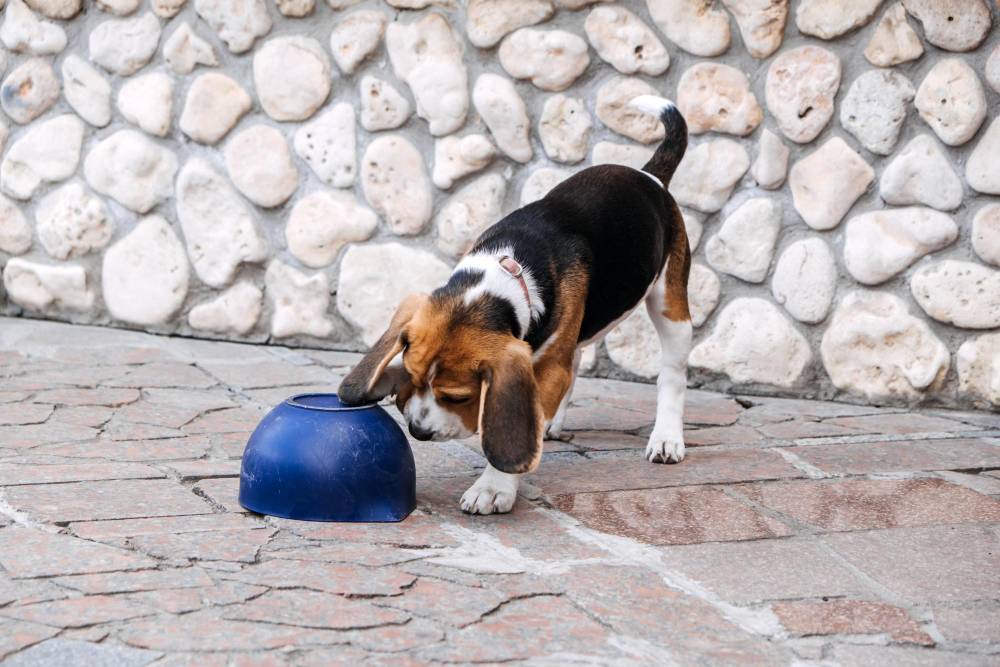

Pick the right toy for your dog
Choosing the correct fetch toy is the foundation of a successful training session. A mismatched toy can lead to frustration, injury, or a dog that simply refuses to engage. You need to match the toy to your dog’s physical traits and play style to ensure safety and sustained interest.
Match size and mouth shape
The toy should be proportional to your dog’s mouth. For small breeds, a large ball is difficult to grip and may slip away, causing the dog to give up. For large breeds, a tiny ball is a choking hazard and disappears too quickly. The ideal fetch toy allows the dog to hold it comfortably in their mouth without it touching the roof of their mouth or hanging precariously out of the corner. This comfort level encourages them to carry the object back to you willingly.
Consider chewing strength
Your dog’s chewing style dictates the material. If your dog is a gentle mouther, a soft plush toy or a flexible rubber ball might suffice. However, if your dog is an aggressive chewer, soft toys will be destroyed in seconds, potentially ingesting stuffing or small parts. In these cases, opt for durable, solid rubber toys designed for heavy-duty play. Check manufacturer ratings for chew strength to guide your selection.
Prioritize safety
Safety is the non-negotiable factor. Avoid any toy with small parts, such as squeakers, buttons, or ribbons, that can be torn off and swallowed. Small objects pose a significant choking risk or can cause intestinal blockages. Regularly inspect toys for wear and tear. If you see cracks, tears, or loose pieces, discard the toy immediately. A safe toy is a toy that remains intact during play.
Checklist for selecting a fetch toy
-
Size: The toy fits comfortably in your dog’s mouth without being too small or too large.
-
Durability: The material matches your dog’s chewing intensity (rubber for aggressive chewers, softer materials for gentle players).
-
Safety: No small parts, squeakers, or loose threads that could be ingested.
-
Engagement: The toy bounces or floats appropriately for your preferred play style (indoor vs. outdoor).
-
Condition: The toy is free from cracks, tears, or damage before each use.
Teach the 'drop it' command first
Before you can have a reliable game of fetch, your dog needs to understand that returning the toy is the end of the game, not the beginning of a tug-of-war. If your dog runs away with the ball or plays keep-away, the game breaks down. Teaching the "drop it" command ensures your dog releases the object on cue, allowing you to re-engage immediately.
Think of this as establishing a trade rather than a demand. Dogs are natural scavengers and possessors; asking them to simply "give it up" without an incentive often leads to resistance. By offering something of equal or greater value, you turn the release into a positive choice for the dog.
Mastering this command transforms fetch from a chaotic chase into a structured interaction. Your dog learns that giving you the toy results in good things, making them eager to bring it back to you in the first place. This foundation is essential for teaching the "come" command later, ensuring the ball returns to your hand every time.
Start with short, low-energy throws
The first few sessions are about building excitement, not distance. When you first introduce the fetch game, you want your dog to associate the toy with pure joy and a quick reward. If you throw the ball too far or too hard right away, you risk confusing the dog or causing frustration if they can't reach it. Instead, keep the throws close and gentle. This high-success rate keeps their tail wagging and their focus locked on the game.
Think of this phase like teaching a puppy to sit. You aren't looking for a perfect retrieve yet; you are looking for engagement. Every time they chase and touch the toy, mark that behavior with a happy "Yes!" or a clicker, then immediately give them a treat or a few seconds of tug. You are essentially baiting them with success. The closer the toy lands to them, the faster they will learn that chasing equals fun.
Step 1: Hold the toy at nose level
Begin by holding the toy directly in front of your dog's nose. Let them sniff and mouth it briefly to build interest. This creates a clear association between the object and the upcoming action. Keep your body language calm and inviting.
Step 2: Roll or toss gently
Instead of a full arm throw, roll the toy across the floor or toss it just a few feet away. The movement should be slow enough for your dog to easily catch up to it. If they are very young or hesitant, a roll is often less intimidating than a flying object.
Step 3: Celebrate the catch
As soon as your dog grabs the toy, praise them enthusiastically. If they bring it back even a few steps, reward them heavily. If they don't bring it back yet, that is okay. Just celebrate the chase and the grab. You can gently guide them back by showing a treat or the toy again.
Step 4: Repeat in short bursts
Keep these initial sessions very short, lasting only 3 to 5 minutes. Dogs learn best in brief, positive bursts. End the session while they are still interested, so they look forward to the next time you pick up the toy. Consistency matters more than duration at this stage.
Gradually increase distance and speed
Once your dog reliably returns the toy to your hand, it is time to stretch their legs. The goal is to build endurance and confidence, not to test their limits in a single session. Start by increasing the throw distance in small increments. If they successfully retrieve a throw from ten feet away, try twelve feet. If they hesitate or look back at you, they have gone too far too fast; step back to the previous comfortable distance.
Introduce slight variations in trajectory to keep the exercise engaging. Instead of always throwing directly away from you, try a short side toss or a gentle lob. This teaches the dog to adjust their path and track the object in three-dimensional space. Avoid high-energy, frantic throwing at this stage. A controlled, steady pace helps the dog focus on the mechanics of the retrieve rather than just the adrenaline of the chase.
Progressive distance steps
The key to this phase is patience. If the dog loses interest or becomes confused, end the session on a positive note with a successful short throw. You want them to associate the game with fun and success, not frustration.
Troubleshoot common fetch mistakes
If your dog refuses to return the toy, start by checking the reward value. Often, the issue is not the dog's understanding but the lack of motivation. Switch to a higher-value treat or a more exciting toy. If the dog is distracted by the environment, move to a quieter space with fewer stimuli.
If the dog plays keep-away, never chase them. Chasing reinforces the behavior that running away is fun. Instead, use a long leash to gently guide them back, or use a high-value treat to lure them toward you. If the dog is overly excited and cannot focus, take a break and reset. Short, positive sessions are more effective than long, frustrating ones.
FAQs about teaching fetch
Training a dog to fetch is a rewarding process, but beginners often hit specific roadblocks. Here are answers to the most common questions about the mechanics and timeline of this trick.
No comments yet. Be the first to share your thoughts!