

The link between fetch and pulling
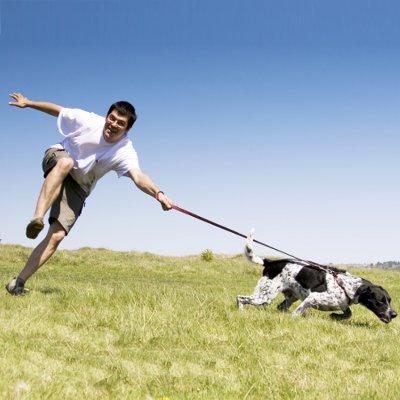
It’s a common scenario: you’re excited to play fetch with your dog, but the moment the ball leaves your hand, they turn into a furry torpedo, dragging you along for the ride. Many owners treat leash pulling and fetch training as completely separate endeavors, but I’ve found they’re powerfully connected. Addressing them together yields far better results than tackling them in isolation.
The core issue is excitement. Fetch taps into a dog’s natural prey drive, and that excitement can easily override any training they’ve received on loose-leash walking. When a dog is intensely focused on the thrill of the chase, polite leash manners often go out the window. This is why simply allowing a dog to pull to get to the ball reinforces the pulling behavior; they learn that pulling gets them what they want.
The good news is that this connection works in our favor too. A dog who’s focused on you is less likely to pull. Fetch, when trained correctly, is an incredible tool for building that focus. It provides a high-value reward – the throw – that we can use to reinforce calm behavior and loose-leash walking. It’s about shifting the dog's mindset: fun happens when they’re calm and attentive, not despite their pulling.
We use the throw itself as the reward. Instead of just handing out treats, the chance to chase the ball becomes the prize for walking calmly. This uses the dog's own drive to reinforce the rules you want them to follow.
Start with a loose leash
Before even thinking about introducing a ball, you need a solid foundation of loose-leash walking. This means your dog understands that keeping the leash relaxed – no pulling, no tension – is a good thing. This isn’t about suppressing their energy; it’s about teaching them a different way to move with you. Start in a low-distraction environment, like your living room or backyard.
One of the most effective techniques is the "U-turn" method. The moment your dog starts to pull, immediately turn and walk in the opposite direction. Don't say anything, just change direction. Your dog will quickly learn that pulling doesn’t get them where they want to go; it actually takes them away from their goal. It might feel counterintuitive at first, but consistency is key.
Equally important is actively rewarding loose-leash behavior. Keep high-value treats on hand and reward your dog frequently for walking nicely by your side, with a slack leash. Use a marker word like "yes!’ or a clicker to pinpoint the exact moment they"re doing the right thing. Timing is everything. We want to create a clear association between a relaxed leash and positive reinforcement.
A front-clip harness helps because it redirects the dog's chest if they lunge. I prefer a standard six-foot leather or nylon leash over retractable ones, which just teach dogs that pulling extends their range. Skip the prong collars; they cause unnecessary stress when the dog is already over-excited by the ball.
Keep training sessions short and sweet – 5 to 10 minutes is plenty. End each session on a positive note, even if it means going back to something your dog already knows. This helps maintain their enthusiasm and builds confidence. It’s also vital to understand that "allowing" your dog to pull to reach a desired destination is different than actively rewarding loose-leash behavior. Letting them pull reinforces the pulling, even if they eventually get to what they want.
- Start in a low-distraction environment.
- Turn around immediately when the leash goes taut.
- Reward loose-leash walking frequently with high-value treats.
- Consider a front-clip harness.
- Keep training sessions short and positive.
Introducing the ball slowly
Now, we’re ready to carefully introduce fetch. Continue working in a low-distraction environment. The initial throws should be very short – just a few feet. The focus isn’t on distance; it’s on the return. We want to build a reliable recall with the added element of a toy.
Emphasize rewarding the return before the throw. Have a treat ready in your hand, and as soon as your dog brings the toy back, give them the treat and praise. Then, immediately throw the toy again. This creates a positive cycle: return = reward = throw. It’s crucial to reward the return enthusiastically, making it the best part of the game.
I’m a firm believer in using a high-value reward for the return – something your dog absolutely loves. This could be a small piece of cooked chicken, cheese, or their favorite toy. The reward needs to be motivating enough to overcome their excitement and desire to just run off with the ball. Don't skimp on the praise either!
Manage your dog's excitement level. If they start to get too hyped up and begin pulling, take a break. Go back to loose-leash walking for a few minutes to help them calm down, then try fetch again with a shorter throw. It’s better to end the session on a good note than to push them too far and reinforce unwanted behaviors.
- Start with very short throws.
- Wait for a return before throwing again.
- Use high-value rewards.
- Manage excitement levels and take breaks when needed.
Phase 2: Combining Loose Leash with Fetch
This is where the real work begins. Start with your dog on a leash, and throw the toy a short distance. If your dog starts to pull before getting to the toy, immediately stop and ask for a sit/stay (or whatever command they reliably know). Do not move forward until the leash is loose. This is about teaching them that loose-leash walking is a prerequisite for fun.
Only release them to fetch when the leash is loose. Say “Okay!” or use your release cue to signal they can go. This creates a clear connection between calm behavior and the reward of the fetch. Be consistent. Every single time they pull, stop and ask for a sit/stay. It may feel tedious, but it’s essential for establishing the pattern.
Troubleshooting is inevitable. If your dog is consistently ignoring the leash pressure and continuing to pull, you may need to go back to Phase 1 and reinforce loose-leash walking in a less stimulating environment. You could also try using a higher-value reward to increase their motivation to comply.
This phase will likely take the longest. Don’t get discouraged if you don’t see results immediately. It takes time and consistency for your dog to learn this new behavior. Be patient, and celebrate small victories. Remember, the goal isn’t just to get them to fetch; it’s to get them to fetch politely.
Distance & Duration: Gradually Increasing Difficulty
Once your dog is consistently walking nicely on a loose leash while you throw the toy a short distance, you can start to progressively increase the difficulty. Don’t jump too quickly – small increments are key. Increase the distance of the throws by just a few feet at a time. Similarly, gradually increase the duration of the fetch sessions.
Introduce distractions gradually. Start by practicing in your backyard, then move to a quiet park, and eventually to more populated areas. Add distractions one at a time – first, another person walking by, then a dog in the distance, then a louder noise. The key is to expose them to distractions at a level they can handle without reverting to pulling.
While your dog is returning with the toy, continue to reinforce loose-leash walking. You can use a "settle" command to encourage them to calm down as they approach you. Reward them for bringing the toy back calmly and without pulling. This reinforces the idea that polite behavior is rewarded even after the initial excitement of the fetch.
Always read your dog’s body language. If they’re showing signs of stress or frustration – such as whale eye (showing the whites of their eyes), tucked tail, or panting excessively – scale back the difficulty. It’s better to end the session on a positive note than to push them too far and create a negative association with fetch.
Decision Matrix: Increasing Training Difficulty – Fetch & Leash Manners
| Training Adjustment | Impact on Dog's Focus | Impact on Leash Manners | Impact on Distraction Level |
|---|---|---|---|
| Increase Distance | Yes | Maybe | Yes |
| Increase Duration | Maybe | Maybe | Maybe |
| Add Distraction (low-level) | Maybe | No | Yes |
| Add Distraction (moderate-level) | No | No | Yes |
| Introduce a Novel Fetch Toy | Yes | Maybe | Maybe |
| Reduce Treat Reward Frequency | Maybe | No | Maybe |
| Increase Fetch Speed/Energy | Yes | Maybe | Maybe |
Illustrative comparison based on the article research brief. Verify current pricing, limits, and product details in the official docs before relying on it.
Common mistakes to avoid
Even with consistent training, you’re likely to encounter some common problems. One is the dog refusing to drop the toy. If this happens, don’t chase them or try to pry the toy from their mouth. Instead, offer a high-value trade – something even more appealing than the toy. Once they drop the toy, reward them immediately.
Another issue is the dog getting distracted mid-fetch. If they suddenly lose interest in the toy and start sniffing the ground or chasing a squirrel, calmly redirect their attention back to you. Use a verbal cue like “Focus” or “Look at me” and reward them when they make eye contact. If they continue to be distracted, end the session and try again later.
Perhaps the most frustrating problem is the dog starting to pull again after a period of improvement. This is normal! It means they’re testing the boundaries. Go back to the basics and reinforce loose-leash walking with short, focused sessions. Consistency is key. Don't let them get away with pulling, even once.
Consistency across all family members is essential. Everyone needs to be on the same page with the training methods and commands. If one person allows the dog to pull, it will undo all the progress you’ve made. It’s helpful to have a family meeting to discuss the training plan and ensure everyone is committed to it.
- If the dog won’t drop the toy, offer a high-value trade.
- Redirect attention if the dog gets distracted.
- Reinforce loose-leash walking if pulling returns.
- Ensure consistency among all family members.


No comments yet. Be the first to share your thoughts!