

The pandemic's impact on puppy growth
The 2020 dog adoption boom saved thousands of lives, but it left us with a specific problem: a generation of dogs that never saw the world. Between 2020 and 2022, puppies grew up in quiet living rooms instead of busy parks. I don't blame the owners—it's hard to socialize a pet when the world is closed—but we're seeing the fallout now.
Consistent, positive exposure to various sights, sounds, people, and other dogs during the critical socialization window – roughly 3 to 16 weeks of age – is essential for developing a well-adjusted dog. The lockdowns severely restricted these opportunities for many puppies. What's more, the constant presence of their families during that time, while comforting, inadvertently masked potential anxieties that would normally surface and be addressed. A dog consistently surrounded by familiar faces doesn't necessarily learn how to cope with the unpredictable nature of the outside world.
The science of habituation plays a large role here. Habituation is the process by which an animal learns to ignore a stimulus that it's repeatedly exposed to without negative consequences. Without that exposure, novel stimuli can become frightening. This is compounded by the fact that the socialization window isn’t a hard stop at 16 weeks; continued, though less intense, socialization is important throughout a dog’s life. The lack of this ongoing exposure has contributed to a noticeable increase in post-pandemic leash reactivity.
We're now seeing the effects of this 'lost socialization' in the form of increased leash anxiety and reactivity. Dogs who may have been perfectly adaptable with proper early exposure are now exhibiting fear, frustration, and even aggression on walks. It's a complex issue, but understanding the why is the first step towards finding effective solutions. It's not about blaming anyone, it’s about recognizing the unique challenges facing these dogs and adjusting our training approaches accordingly.
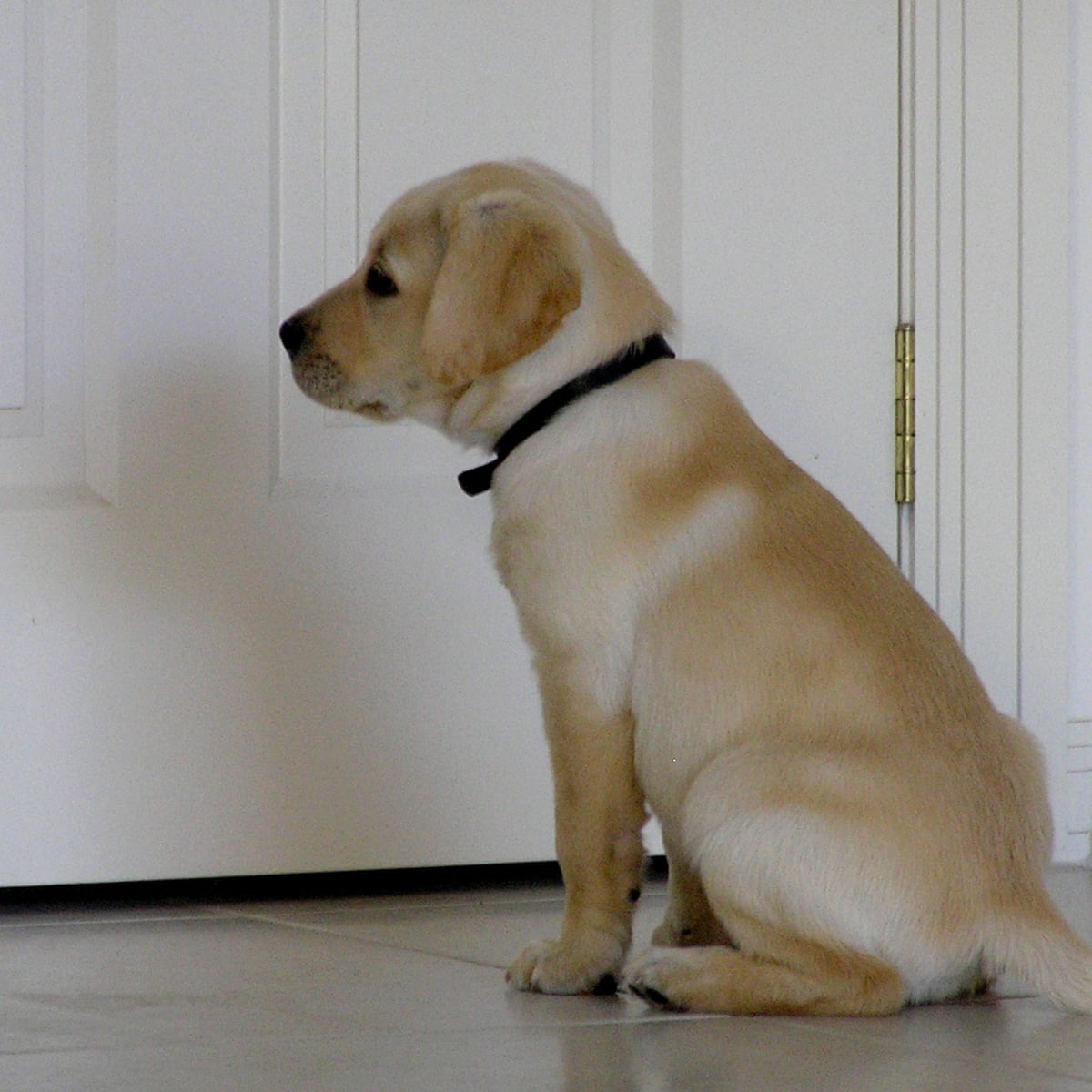
How to spot reactive body language
Reactivity isn’t simply "barking and lunging’ at other dogs. It’s an umbrella term for a range of behaviors that indicate a dog is over their threshold – meaning they’re experiencing a level of stress or arousal that they can’t cope with. Recognizing the subtle signs is crucial for effective intervention. These can include ‘whale eye" (showing the whites of their eyes), a tucked tail, lip licking, yawning when not tired, freezing, or a generally tense body posture.
Underlying these behaviors are powerful emotions, most commonly fear and frustration. Fear-based reactivity stems from a perceived threat, where the dog feels unsafe and attempts to create distance. Frustration-based reactivity, on the other hand, arises when a dog wants to reach something – another dog, a person – but is prevented from doing so by the leash. This can manifest as intense frustration and, ultimately, reactivity.
It’s vital to differentiate between these two types of reactivity because the training approaches differ. A fear-based reactive dog needs reassurance and a gradual desensitization process, while a frustration-based reactive dog needs help learning impulse control and coping mechanisms. Dogs Day Out Seattle emphasizes the importance of understanding the root cause of the reactivity before implementing any training plan, and I wholeheartedly agree.
Misinterpreting the cause can lead to ineffective – or even harmful – training methods. For example, punishing a fear-based reactive dog will likely worsen their anxiety and reactivity, while ignoring a frustration-based dog’s needs can reinforce the unwanted behavior. Careful observation and, ideally, guidance from a qualified professional are essential.
- Whale eye (showing the whites of the eyes)
- Tucked tail: Indicating fear or anxiety.
- Lip licking: Often a displacement behavior signaling stress.
- Yawning (when not tired): Another sign of stress.
- Freezing: A sudden stop in movement, indicating overwhelm.
New tech for tracking stress
The world of dog training is evolving rapidly, and technology is playing an increasingly significant role. By 2026, we’re likely to see even more sophisticated tools available to help owners manage and modify reactive behaviors. One area of development is smart collars that track physiological data, such as heart rate variability (HRV), to provide insights into a dog’s stress levels. This data can help owners identify triggers and tailor training sessions accordingly.
AI-powered video analysis is another emerging technology. These systems can analyze a dog’s body language and identify subtle signs of stress or reactivity that a human might miss. Some platforms even claim to be able to predict potential triggers based on the environment. However, it's important to approach these claims with a degree of skepticism – the accuracy of these systems is still under development.
Remote training tools, like vibration collars or those offering gentle stimulation, are also becoming more advanced. While I’m generally cautious about using aversive methods, some trainers are finding these tools useful when combined with positive reinforcement and under the guidance of a professional. It’s a controversial topic, and responsible use is paramount.
Far Fetchers aims to be a resource for understanding these advancements, providing unbiased information and helping owners navigate the complex landscape of dog training technology. We'll continue to evaluate new tools as they emerge, focusing on those that prioritize the dog’s well-being and promote positive relationships.
Counter-Conditioning and Desensitization
To fix reactivity, you have to change how your dog feels about the thing that scares them. This is counter-conditioning. If they see another dog and immediately get a piece of boiled chicken, their brain eventually stops thinking 'danger' and starts thinking 'snack time'. It's about building a new association from scratch.
Desensitization, on the other hand, involves gradually exposing the dog to the trigger at a low intensity – a distance where they don’t react. The goal is to slowly increase the intensity of the exposure over time, always staying below the dog’s threshold. This requires careful observation and a willingness to adjust the pace based on the dog’s individual needs. It's not about flooding the dog, which can be traumatic and counterproductive.
Here’s a step-by-step guide: First, identify your dog’s triggers and their threshold distance. Second, start at a distance where your dog remains calm. Third, as soon as the trigger appears, start feeding your dog high-value treats. Continue feeding treats until the trigger disappears. Fourth, gradually decrease the distance as your dog becomes more comfortable. Fifth, repeat this process consistently, and be prepared to take steps backward if needed.
Peach on a Leash provides a comprehensive training guide that echoes these principles, emphasizing the importance of patience and consistency. Remember, every dog is different, and progress will vary. It’s crucial to go at the dog’s pace and avoid pushing them too quickly. A slow and steady approach is far more likely to yield lasting results. The key is to create a positive emotional shift, transforming a perceived threat into a positive experience.
For example, if your dog reacts to other dogs at 50 feet, start at 100 feet. As they calmly watch another dog pass (while you’re feeding treats), slowly move closer on subsequent walks. If they start to react, you’ve moved too close and need to increase the distance again. It’s a delicate balance, but with practice, you can help your dog learn to associate other dogs with positive experiences.
Consistency is paramount. Short, frequent training sessions are more effective than long, infrequent ones. Aim for several 5-10 minute sessions per day, rather than one long session per week. And remember, positive reinforcement is key – focus on rewarding calm behavior, rather than punishing reactivity.
Management is Not Failure
A common misconception is that if you’re still managing your dog’s reactivity – avoiding triggers, using specific equipment – you’re not making progress. This is simply not true. Management is a perfectly valid and often necessary part of the process. It’s about protecting your dog from stressful situations and preventing setbacks, and it’s a sign of responsible ownership, not failure.
Avoiding triggers – choosing quiet walking routes, walking during off-peak hours, or crossing the street when you see another dog – can significantly reduce your dog’s stress levels. Using a head halter or a front-clip harness can provide you with more control and prevent your dog from pulling or lunging. These tools aren’t a quick fix, but they can be invaluable for managing reactivity while you’re working on training.
Think of it like this: if you’re recovering from an injury, you might need to use crutches or avoid certain activities while you heal. That doesn’t mean you’re not making progress, it simply means you’re taking steps to protect yourself and facilitate recovery. The same applies to reactive dogs. Management buys you time and allows you to work on training in a safe and controlled environment.
Management Tools – Which is Right for Your Dog?
| Tool | Pros | Cons | Best Suited For |
|---|---|---|---|
| Head Halter | Offers significant steering control; can quickly interrupt unwanted behaviors; helps redirect focus. | Requires careful fitting to avoid discomfort; can cause injury if used improperly; dog may actively resist initially. | Dogs with moderate to high reactivity, particularly those who pull strongly or lunge. Useful for redirecting attention during early stages of training. |
| Front-Clip Harness | Discourages pulling without putting pressure on the neck; provides more control than a standard harness; generally well-tolerated by dogs. | May not be effective for all dogs, especially those with significant reactivity; can cause rubbing or chafing if not fitted correctly. | Dogs with mild to moderate leash reactivity who pull. A good starting point for many reactive dogs as it’s less aversive than a head halter. |
| Muzzle | Provides safety for all involved (dog, other dogs, people) when reactivity involves biting or snapping; allows dog to participate in training while minimizing risk. | Can be perceived as punitive if introduced incorrectly; requires gradual acclimation; may impede panting. | Dogs with a history of biting or snapping, or those who display aggressive behaviors on leash. Essential for public safety in some cases. |
| Standard Flat Collar/Harness | Familiar and comfortable for many dogs; simple to use. | Offers minimal control for reactive dogs; can exacerbate pulling and reactivity. | Generally *not* recommended for reactive dogs, except perhaps as a secondary attachment point for identification tags. |
| Dual Attachment Harness (Front & Back Clips) | Offers versatility – can switch between front and back clip depending on training goals; provides some control. | May not be as effective as a dedicated front-clip harness for discouraging pulling; can be bulky. | Dogs with mild reactivity where the owner wants options for different training scenarios. |
Illustrative comparison based on the article research brief. Verify current pricing, limits, and product details in the official docs before relying on it.
Using mental games to lower stress
Reactive dogs often have a lot of pent-up energy and frustration. Enrichment – providing mental and physical stimulation – can help reduce stress, release energy, and improve overall well-being. A tired dog is a good dog, but it's about mental fatigue as much as physical exercise.
Puzzle toys, such as Kongs filled with frozen peanut butter or treat-dispensing balls, can keep your dog occupied and engaged for extended periods. Scent work – hiding treats around the house and encouraging your dog to find them – is another excellent form of enrichment. Chew toys, like bully sticks or durable rubber chews, can provide a healthy outlet for chewing and relieve stress.
Here are some enrichment ideas, categorized by difficulty:
Enrichment isn’t a substitute for training, but it’s a valuable complementary tool. By providing your dog with opportunities to engage their mind and expend energy, you can help reduce their reactivity and improve their quality of life.
- A cardboard box filled with crumpled paper and hidden treats for beginners.
- Level 2 (Medium): Kong filled with frozen peanut butter.
- Level 3 (Difficult): Puzzle toy requiring multiple steps to access the treats.
Enrichment & Training Ideas
- Scent Work with Kongs - Stuffing a Kong Classic with frozen peanut butter or wet food provides mental stimulation and can reduce anxiety.
- Calming Chew Toys - Nylabone Power Chew toys offer a long-lasting, satisfying chew that can redirect anxious energy.
- Puzzle Toys (Nina Ottosson) - Interactive puzzle toys from Nina Ottosson challenge your dog mentally, diverting attention from triggers. Start with Level 1 puzzles.
- Desensitization & Counterconditioning Walks - Using high-value rewards (like Zuke's Mini Naturals) while gradually exposing your dog to triggers at a distance.
- Clicker Training - Employing a clicker (like those from Starmark) to mark desired behaviors during leash walks, building positive associations.
- Snuffle Mats - A snuffle mat allows your dog to forage for kibble or treats, providing mental enrichment and calming activity.
- Calming Pheromone Diffusers (Adaptil) - Using an Adaptil diffuser in the home can create a calming environment and reduce overall anxiety levels.
Success Stories and Staying Positive
Reactivity can be challenging, but it’s absolutely manageable. There are countless success stories of reactive dogs who have made significant progress with the right training and support. Remember that every small victory is a step in the right direction. Celebrate those milestones, no matter how small they may seem.
One owner shared how her previously reactive rescue dog, Luna, now confidently walks past other dogs with minimal stress, thanks to consistent counter-conditioning and desensitization. Another owner described how she learned to read her dog’s body language and proactively manage triggers, resulting in a much calmer and more enjoyable walking experience.
Reactivity isn’t a life sentence. With patience, consistency, and the right support, dogs can live happy and fulfilling lives, even with their challenges. Stay positive, focus on building a strong bond with your dog, and remember that you’re not alone. There's a whole community of owners and professionals who are here to help.

No comments yet. Be the first to share your thoughts!