

The pandemic puppy reality
The pandemic puppy boom left us with a lot of dogs that don't know how to be alone. When everyone stayed home in 2020, these dogs never learned the world exists without their owners. Now that offices are open again, the American Animal Hospital Association is seeing a massive spike in separation distress cases. It is a messy transition for everyone involved.
These dogs often missed out on critical early socialization experiences. Traditional puppy classes and exposure to various environments were limited due to lockdowns and social distancing measures. This resulted in a generation of dogs accustomed to constant human presence, making the transition to alone time particularly difficult. They simply haven't had the opportunity to build the resilience that comes with navigating a wider world.
A recent story in Newsweek highlighted this struggle with a particularly poignant example: a Saint Bernard experiencing intense distress when his owner prepared to leave. While this is an extreme case, it illustrates the real emotional turmoil many dogs are facing. The owner’s careful goodbye routine, documented in the article, demonstrates the lengths people are going to in an attempt to ease their pet’s anxiety.
The core of the issue isn't that dogs suddenly developed anxiety; it's that the anxiety, always a potential concern, was exacerbated by a specific set of circumstances. Recognizing this is the first step toward finding effective solutions. We’re seeing a real shift in the kinds of behavioral issues owners are dealing with in 2026, and separation anxiety is dominating the conversation.
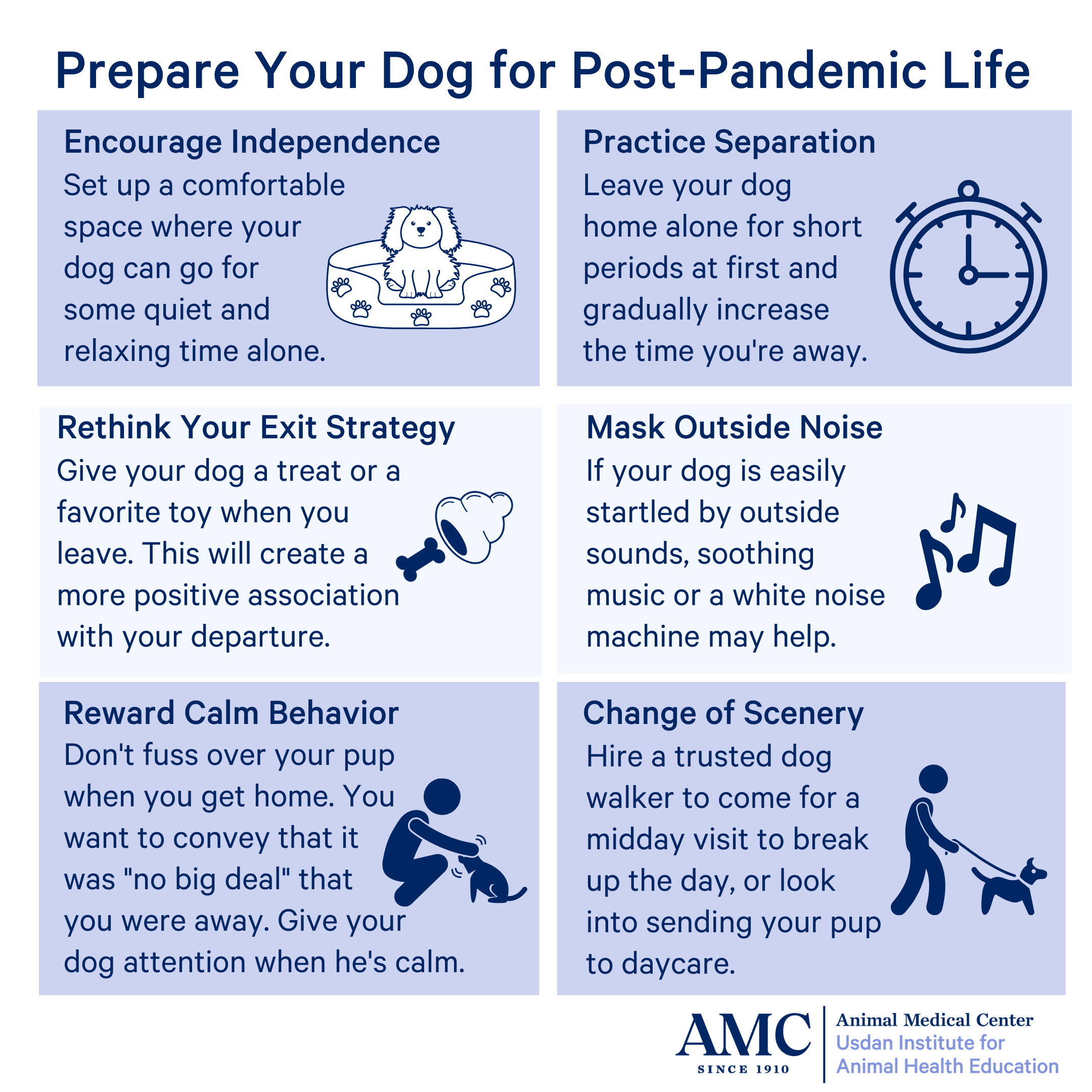
Spotting the signs of distress
Understanding the signs of separation anxiety is essential for providing appropriate support. Common behavioral indicators include destructive chewing, particularly around doors and windows – a clear attempt to escape. Excessive barking or howling, often sustained and distressed, is another frequent symptom. Inappropriate elimination, even in house-trained dogs, can also signal anxiety.
Other signs include pacing, restlessness, and frantic attempts to follow the owner from room to room. Some dogs may exhibit self-harming behaviors, like excessive licking or chewing at their paws. It’s important to remember that these behaviors aren’t malicious; they’re expressions of distress. Many owners assume their dogs are simply being 'bad', when in reality, they’re struggling with overwhelming anxiety.
The severity of separation anxiety varies greatly. Mild cases might involve some whining or pacing for a short period after the owner leaves. More severe cases can involve significant property damage, self-injury, and a complete inability to cope with being alone. A dog exhibiting severe anxiety requires professional intervention.
Breed can also play a role. While any dog can develop separation anxiety, certain breeds – like herding breeds (Border Collies, Australian Shepherds) and companion breeds (Poodles, Bichon Frises) – may be predisposed due to their strong attachment to their owners. However, it’s crucial to assess each dog as an individual, rather than relying on breed generalizations.
- Chewing on door frames or window sills
- Excessive Vocalization: Prolonged barking or howling.
- Inappropriate Elimination: Accidents in the house.
- Pacing/Restlessness: Constant movement and inability to settle.
- Escape Attempts: Trying to get out of the house or crate.
How fetch changes the brain
Fetch isn’t just a fun game; it’s a surprisingly effective tool for managing dog anxiety. The combination of physical exertion and mental stimulation provides a healthy outlet for pent-up energy and nervous tension. It taps into a dog’s natural retrieving instincts, providing a sense of purpose and accomplishment.
Retrieving a ball triggers an endorphin release. These chemicals are natural stress-fighters. You aren't just wearing the dog out physically; you are changing their brain chemistry so they can actually relax when the house goes quiet.
Beyond the biological benefits, fetch provides a focused interaction with the owner. This strengthens the bond between dog and owner, providing a sense of security and reassurance. The controlled nature of the game – the clear commands, the predictable routine – can be particularly comforting for an anxious dog.
I believe we often underestimate the power of engaging a dog’s innate drives. Fetch isn’t something we make them do; it’s something they’re naturally inclined to enjoy. Leveraging that instinct is far more effective than trying to force a dog into a calming activity they don’t find rewarding.
Structured Fetch: Beyond a Casual Toss
Randomly tossing a ball in the backyard isn't enough to address separation anxiety. To be truly effective, fetch needs to be structured. This means implementing a progressive training program that gradually increases the difficulty and reinforces calm behavior. The goal is to create a predictable and rewarding experience that builds the dog’s confidence and reduces their anxiety.
Start with very short distances and focus on rewarding calm returns. When the dog brings the toy back, praise them gently and calmly. Avoid getting overly excited, as this can reinforce anxious behavior. Gradually increase the distance as the dog demonstrates consistent calm returns. This is about building a reliable 'return' behavior, not just throwing the toy as far as you can.
Introduce duration by asking the dog to 'stay' with the toy for a few seconds before returning. Start with just one or two seconds and gradually increase the duration as the dog progresses. This teaches them impulse control and helps them learn to self-soothe. This step is critical, as it builds the foundation for being alone.
Common mistakes include over-excitement, inconsistent commands, and failing to reward calm behavior. If the dog gets overly stimulated during the game, take a break and refocus. Use clear, concise commands and be consistent with your expectations. Remember, positive reinforcement is key. Avoid punishment or scolding, as this will only worsen the anxiety.
- Step 1: Short distances, calm returns.
- Step 2: Introduce duration ('stay' with the toy).
- Step 3: Gradually increase distance and duration.
- Step 4: Maintain consistency and positive reinforcement.
Integrating Fetch into a Departure Routine
The timing of fetch sessions is critical. Incorporating fetch into your departure routine can help to tire the dog out mentally and physically, creating a calmer state before you leave. The idea is to associate your departure with a positive, tiring activity, rather than a source of anxiety.
A sample routine might look like this: 20-30 minutes of structured fetch, followed by a calming activity such as a chew toy or a puzzle feeder. Once the dog is relaxed, calmly prepare to leave. Avoid making a big fuss over your departure, as this can inadvertently reinforce anxious behavior. A quiet 'goodbye' is sufficient.
If the dog gets overly excited during the fetch session, take a break and refocus. You might need to shorten the session or reduce the intensity of the play. The goal is to create a calm and controlled environment, not to overstimulate the dog. Remember to reward calm behavior throughout the routine.
Consistency is key. Follow the same routine every time you leave, so the dog learns to anticipate and associate your departure with a positive experience. This predictability can significantly reduce anxiety and help the dog feel more secure.
- 20-30 minutes of structured fetch.
- Calming activity (chew toy, puzzle feeder).
- Calm departure – avoid making a fuss.
When to Seek Professional Help
While structured fetch training can be incredibly beneficial, it’s not a cure-all for separation anxiety. There are times when professional intervention is essential. If your dog’s anxiety is severe – characterized by significant property damage, self-injury, or a complete inability to cope with being alone – it’s time to consult a veterinarian or certified dog behaviorist.
It’s also important to rule out any underlying medical conditions that might be contributing to the anxiety. Certain medical issues can manifest as behavioral changes, so a thorough veterinary exam is crucial. Don’t assume it’s just behavioral; there could be a physical cause.
Resources for finding qualified professionals include the American College of Veterinary Behaviorists (ACVB) and the Certification Council for Professional Dog Trainers (CCPDT). Seeking help is a sign of responsible pet ownership, not failure. It demonstrates your commitment to providing your dog with the best possible care.
Remember, addressing separation anxiety requires patience, consistency, and a willingness to seek help when needed. Your dog’s well-being is worth the effort.
- American College of Veterinary Behaviorists (ACVB):
- Certification Council for Professional Dog Trainers (CCPDT):


No comments yet. Be the first to share your thoughts!