
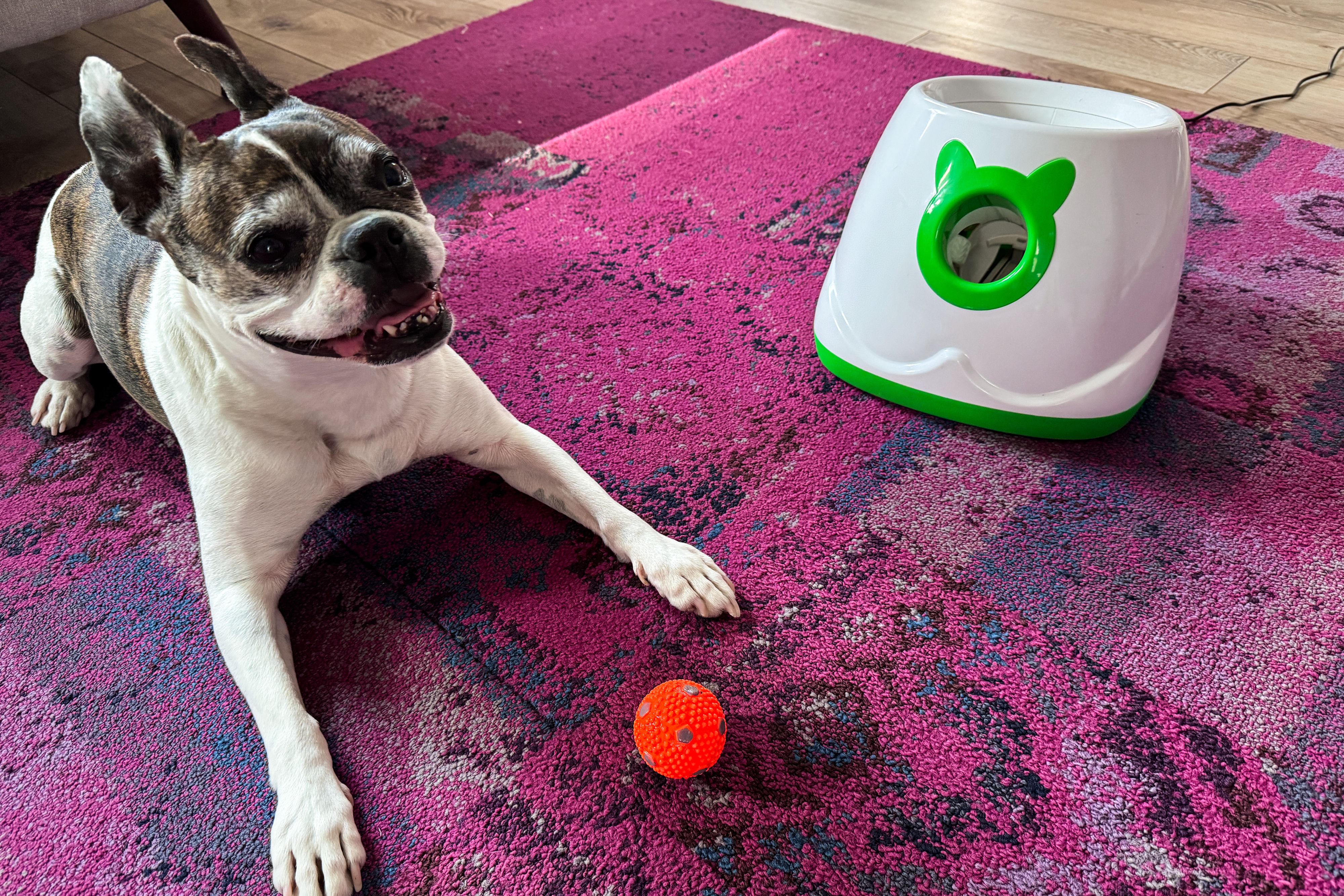

Start with the right toy
The fetch game begins before you ever throw an object. Your dog needs to see the toy as a high-value prize worth chasing. If the item feels like a boring stick or a cheap piece of plastic, the chase never starts. Choosing the right fetch toy is about matching your dog’s instincts to the object’s physical properties.
Match the toy to the mouth
Dogs have different jaw structures and hunting styles. A retriever bred to carry soft waterfowl needs a plush or rubber toy that won’t puncture easily. A terrier bred to shake prey to death prefers a rope toy that offers resistance and texture. If you buy a hard tennis ball for a dog that wants to chew, you will spend more time replacing toys than training.
Prioritize safety over durability
No toy is truly indestructible. The primary rule of fetch is that the toy must be larger than the dog’s throat to prevent choking. Avoid small balls, marbles, or anything that can break into sharp shards. Look for toys with reinforced stitching or solid rubber that can withstand aggressive shaking without splintering. If a toy shows signs of tearing, remove it immediately.
Test the interest factor
Before committing to a specific brand, watch your dog react to different textures. Drag a rope toy on the ground or bounce a rubber ball. If the dog’s ears perk up and tail wags, you have a winner. If they ignore it, try a different material. The toy doesn’t need to be expensive; it just needs to trigger that prey drive. Once you find an item that makes them bolt, you have your foundation for training.
Build the chase instinct first
Before you teach your dog to bring the toy back, you need to teach them to want it. The goal here is simple: create a high-energy chase. We are focusing entirely on the "fetch" part of fetch—the sprint and the grab. The return is a separate skill that comes later.
Start with a toy your dog already loves. A soft tug toy or a squeaky ball works best because it triggers their prey drive. If your dog is food-motivated but not toy-motivated, this phase will take longer, so be patient. You want the dog to see the moving object and immediately want to catch it.
Drag the toy
Keep the toy on the ground. Drag it slowly across the floor in front of your dog. Do not throw it yet. Let them sniff it, then drag it faster. If they follow it with their eyes, you are ready to move to the next stage. If they ignore it, try a different toy or a more exciting drag pattern.
Let them chase
Once your dog is locked onto the toy, change direction. Zigzag or make sudden stops. This mimics the erratic movement of prey and spikes their interest. When they start to run after it, encourage them with a happy, high-pitched voice. You are building the association that the moving object equals fun.
Reward the grab
When your dog catches the toy, immediately stop moving. Let them hold it. Praise them calmly. This teaches them that catching the toy is the end of the game, not the beginning of a tug-of-war (yet). You want them to feel satisfied with the catch. If they drop it, simply drag it again and try to get them to bite down.
Repeat this cycle for 5-10 minutes. Keep sessions short and positive. If your dog gets frustrated or bored, end the session. You are building a foundation of enthusiasm. Once your dog consistently chases and grabs the toy when you drag it, you are ready to introduce the throw.
Teach the come and hold
Chasing the toy is only half the job. The true test of fetch happens when the dog returns and releases the item into your hand. Without this final step, you are just playing catch, not teaching a reliable fetch cycle. The goal is to turn the return into a rewarding exchange rather than a tug-of-war.
1. Encourage the return with a high-value lure
As soon as the dog picks up the toy, use your voice to call them back. Use a happy, excited tone to make the return feel like the best part of the game. Hold a high-value treat near their nose to guide them toward you. If they are hesitant, take a few steps backward to encourage them to follow the treat. The moment they look at you or take a step toward you, mark the behavior with a clicker or a sharp "yes" and reward them. This builds the association that coming back equals good things.
2. Trade the toy for the treat
Dogs often guard their prey drive, so you must make the trade easy. Do not reach for the toy with your hands, which can trigger a tug instinct. Instead, present the treat directly at their nose. When they open their mouth to take the treat, the toy will drop. This is the "drop it" moment. Immediately praise them and give the treat. If they hold onto the toy, wait a second longer or use a tastier treat. The key is patience; you are teaching them that letting go is more profitable than holding on.
3. Add the verbal cue
Once the dog is reliably dropping the toy for the treat, add the verbal command. Say "drop it" or "trade" just before you present the treat. Over time, they will associate the word with the action of releasing the item. Practice this in short sessions of five minutes to keep their focus sharp. If they start to lose interest or get frustrated, end the session on a positive note with a successful drop and a big reward.
4. Gradually reduce the treat frequency
After the dog masters the drop, you can begin to fade out the food reward. Start by giving the treat every other time, then randomly. Always follow the drop with enthusiastic praise and the chance to chase the toy again. The game itself becomes the reward. This reinforces the entire cycle: chase, catch, return, drop, and repeat. Consistency here is what turns a chaotic game of chase into a structured, obedient fetch.
Fix common fetch mistakes
Even with a solid foundation, dogs often develop bad habits during fetch. These errors usually stem from confusion about the rules or over-excitement. Addressing them early prevents frustration for both you and your dog.
Dropping the toy too early
Many dogs drop the object before reaching you, expecting you to chase it. This turns fetch into a game of chase-the-toy rather than a return exercise. To fix this, take a step back when the dog drops the item. Wait for them to pick it up again before you move forward. Reward only when the toy reaches your hand. Consistency here teaches that the game ends only when the object is in your possession.
Losing interest or getting distracted
Dogs may lose focus if the reward isn't valuable enough or if distractions are too strong. High-value treats or a favorite squeaky toy can re-engage their attention. Start in a low-distraction environment, like a quiet room, and gradually move to busier areas. If your dog wanders off, stop the session and try again later. Keep sessions short—five minutes is plenty—to maintain high energy and focus.
Add distance and distractions
Once your dog reliably brings the toy back from a few feet away, it is time to generalize the skill. Right now, the fetch is likely context-dependent—your dog expects the game to happen in the quiet living room. To make the command useful in the real world, you must gradually increase the difficulty.
Start by throwing the ball or toy just a few feet farther than your dog is used to. Stand still and wait. If your dog runs back without hesitation, reward them immediately. If they stop or look around, throw it closer next time. The goal is to build momentum, not frustration. Think of this like stretching a rubber band; pull it a little further each session until your dog is comfortable retrieving from across the yard.
After mastering distance, introduce mild distractions. This could be another person walking by, a bicycle passing on the sidewalk, or a squirrel in the distance. Do not add these all at once. Start with one low-level distraction while keeping the throw distance short. If your dog breaks focus, lower the difficulty. You want to prove to your dog that the toy is more interesting than the environment, even when things are getting busy.
Fetch training checklist
Use this list to track your progress. Each step builds on the last, so don’t rush ahead if your dog is struggling.
-
Introduction: Dog shows interest in the toy without biting hands.
-
Chase: Dog runs after the thrown object in a straight line.
-
Grab: Dog picks up the toy voluntarily when it stops moving.
-
Return: Dog brings the toy back to you or within reach.
-
Release: Dog drops the toy on command ("drop it" or trade).
-
Recall: Dog returns to you from a distance with the toy.
-
Distance: Dog fetches reliably with increasing throws and distractions.
Mark each box only when your dog masters the previous step. If they stall, go back one stage and reinforce the basics.
Common fetch training: what to check next
Addressing frequent concerns helps keep training on track. These answers cover age, troubleshooting, and safety for teaching your dog to fetch.
No comments yet. Be the first to share your thoughts!