

Fetch's Green Shift: 2026 Trends
Dog toys are changing fast. Owners increasingly want sustainable fetch toys, not just fun ones. This shift reflects growing environmental awareness.
2026 looks like a turning point. Expect new materials and responsible manufacturing to become standard. Brands face pressure to cut their environmental impact, and owners are asking more questions about toy origins and materials.
The term "eco-friendly’ is often misused. We need to look beyond buzzwords at materials, manufacturing, and the toy"s lifecycle to understand what truly sustainable fetch means.
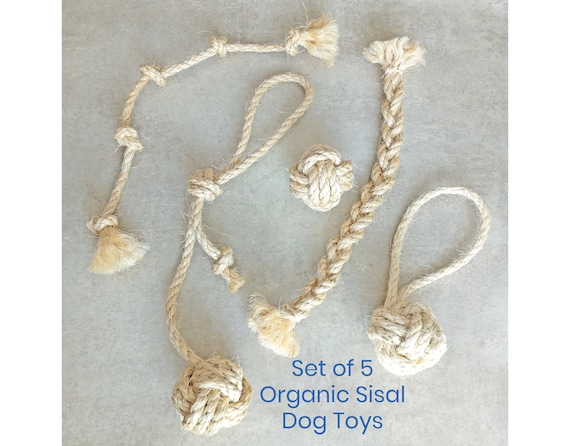
Biodegradable Materials: The New Standard
Hemp is a frontrunner due to its durability and rapid, low-pesticide growth. Recycled rubber from tires is robust and long-lasting. Bamboo is fast-growing and antibacterial. Plant-based bioplastics like PLA (from cornstarch or sugarcane) are also rising.
Hemp toys are durable but can be expensive. Recycled rubber is tough but its manufacturing is energy-intensive. Bamboo is lightweight and sustainable but may not hold up to aggressive chewers. PLA is compostable, but with a catch.
PLA's biodegradability is often overstated. It needs industrial composting facilities, not home piles, to break down. This means PLA toys often end up in landfills, degrading slowly. Materials must also be non-toxic if ingested.
The best material depends on your dog’s chewing habits, budget, and composting access. Understanding these details leads to an informed choice.
- Hemp: Durable, fast-growing, pesticide-free, can be expensive.
- Recycled Rubber: Very durable, potentially energy-intensive manufacturing.
- Bamboo: Lightweight, sustainable, may not withstand heavy chewing.
- PLA (Plant-Based Plastic): Compostable (requires industrial facilities), can end up in landfills.
Biodegradable Fetch Toy Material Comparison
| Material | Durability | Biodegradability | Cost | Safety |
|---|---|---|---|---|
| Hemp | Medium | Home Compostable | Medium | Generally safe, low allergen risk. |
| Recycled Rubber | High | Slow | Medium | Check for zinc content; some recycled rubber may contain trace amounts which can be harmful if ingested in large quantities. |
| Bamboo | Medium | Home Compostable | Medium | Ensure it's sustainably sourced; splintering can occur with heavy chewing. |
| PLA (Polylactic Acid) | Low | Industrial Compostable | High | Derived from cornstarch; may not be suitable for aggressive chewers and breaks down into small pieces if damaged. |
| Cork | Medium | Home Compostable | Medium | Naturally buoyant and antimicrobial, but can be damaged by strong chewers. |
| Natural Latex | Low | Slow | Low | Potential allergen for some dogs; ensure it's responsibly sourced. |
| Coconut Fiber | Low | Home Compostable | Low | Good for softer fetch, but not durable for strong chewers. May shed fibers. |
Illustrative comparison based on the article research brief. Verify current pricing, limits, and product details in the official docs before relying on it.
Top Eco-Friendly Fetch Toys of 2026
The market is responding to the demand, and 2026 offers a solid selection of sustainable fetch toys. The West Paw Zogoflex Bumi ($20-30) remains a popular choice, made from their durable, recyclable material. It's designed for tough chewers and is easily cleaned. Another standout is the Beco Eco-Friendly Ball ($8-12), made from rice husk and natural rubber – a good option for gentler play.
For frisbee fans, the Planet Dog Orbee-Tuff Flying Disc ($15-25) is a great pick. It’s made from their Orbee-Tuff material, which is both durable and recyclable. If your dog loves ropes, the Harry Barker Hemp Rope Toy ($10-18) offers a natural and biodegradable alternative to nylon ropes. They source their hemp responsibly and focus on ethical manufacturing.
The Pawsh Pillow ($25-35) features a durable hemp exterior and a recycled filling, offering a soft yet engaging fetch experience. For those seeking a more unique option, consider the Nylabone DuraChew Farm Root ($12-20), made from plant-based materials. The Kong Eco ($10-15) is a durable option made from a blend of recycled and sustainable materials.
We also need to mention the playful designs from Pawsible Planet. Their toys, like the Bamboo Bone ($10-15), are made from sustainably sourced bamboo fiber and are fully compostable. Finally, the Loopies Fetch Toy ($5-10) is made from 100% recycled plastic bottles, offering a budget-friendly and eco-conscious choice. Remember to always supervise your dog during play, regardless of the toy's material.
Featured Products

S-shaped, lightweight design for easy throwing and fetching · Made from durable, latex-free Zogoflex material · Guaranteed to be tough for interactive play
This toy is made from durable, eco-friendly Zogoflex material and is designed for interactive play, making it a sustainable choice for fetch and tug-of-war.

Durable rubber ring designed for aggressive chewers · Features a safety indicator to show when the toy is compromised · Made from natural, non-toxic rubber
Crafted from robust, natural rubber, this chew toy is built to last and offers a safe, engaging option for dogs who love to chew and play.

Made from natural rubber for eco-friendly play · Bouncy design for engaging fetch sessions · Bright orange color for high visibility
This bouncy ball is constructed from natural rubber, providing an eco-conscious and highly visible toy for energetic outdoor play and fetch.

Made with recycled materials for sustainability · Durable construction for long-lasting fetch fun · Designed for medium-sized dogs
The EcoFetch ball is an environmentally friendly option, made with recycled materials to provide a durable and engaging toy for fetch.
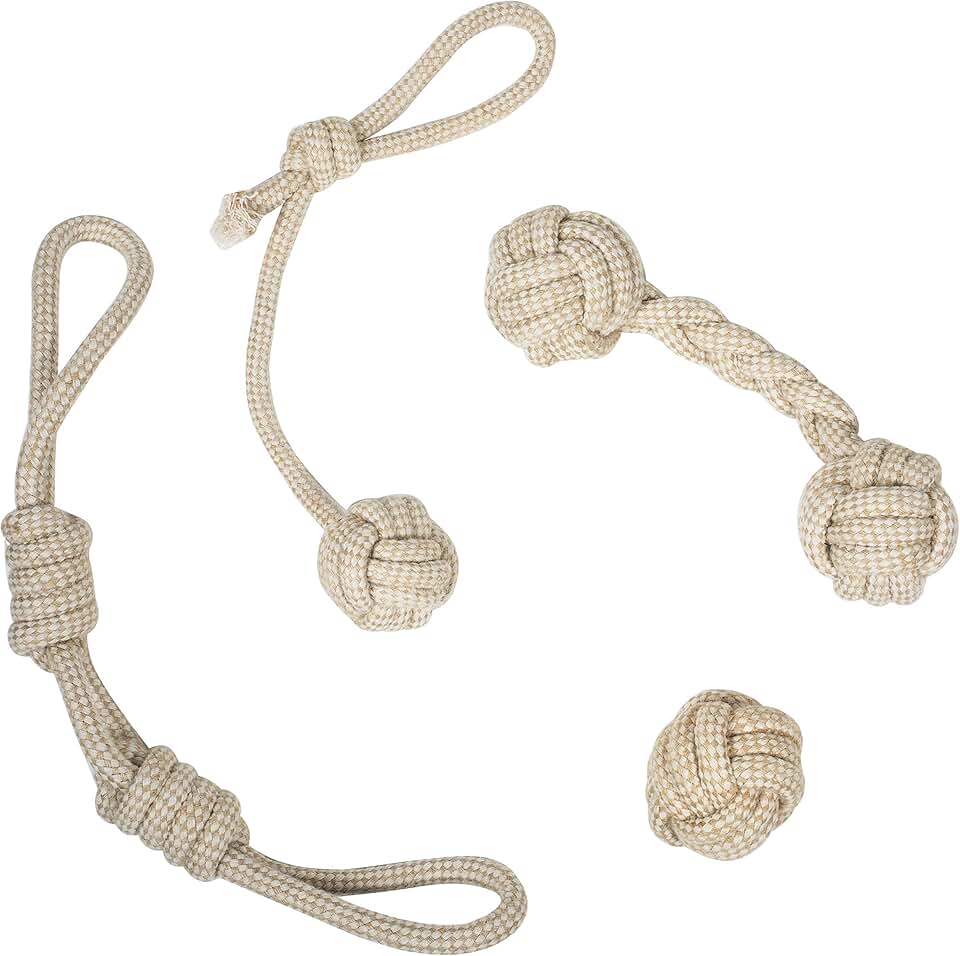
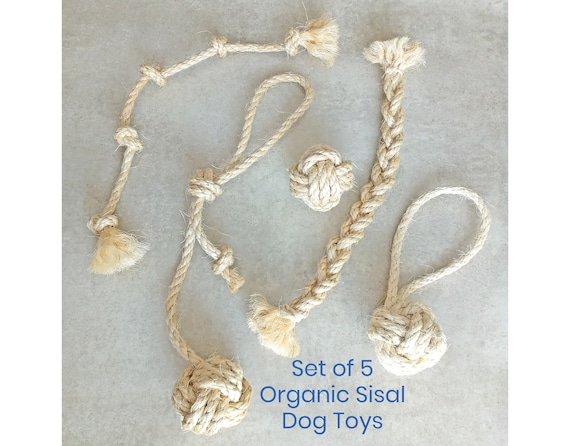
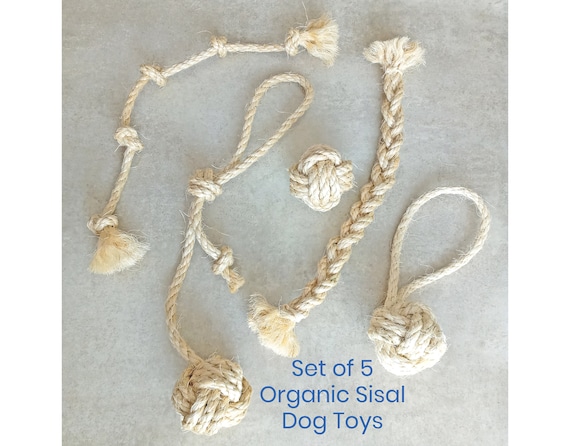
Made from natural, non-toxic hemp rope · Durable construction suitable for chewing and tugging · Comes in a pack of four for varied play
This pack of four hemp rope toys is crafted from natural, non-toxic materials, offering a sustainable and durable choice for fetch, tug, and teething.
As an Amazon Associate I earn from qualifying purchases. Prices may vary.
Beyond the Toy: Green Training Practices
Sustainable fetch isn’t just about the toy itself; it’s about the entire training process. Be mindful of where you're training. Avoid sensitive ecosystems or areas where your dog could disturb wildlife. Stick to designated dog parks or open fields where play is permitted.
Always, always pick up after your dog. Biodegradable poop bags are readily available now and a simple way to reduce plastic waste. Consider reducing your reliance on treats during training. While treats are effective for many dogs, praise, play, and affection can be equally rewarding.
If you do use treats, opt for sustainably sourced options. The Sustainable Pet Supply Co. (sustainablepetsupplyco.com) offers a variety of eco-friendly treat options. Ultimately, a well-trained dog who responds to verbal cues and positive reinforcement will require fewer treats over time.
- Train in designated areas.
- Use biodegradable poop bags.
- Reduce treat reliance.
- Choose sustainably sourced treats.
DIY Sustainable Fetch Toys
Get creative and reduce waste by making your own fetch toys! Braiding old t-shirts into a rope toy is a classic and easy project. Simply cut the shirts into strips and braid them tightly together. A sturdy cardboard box can provide hours of fetch fun – just make sure to remove any staples or tape.
Old towels can be rolled up and tied with rope to create a tug toy. For a more durable option, stuff the towel roll with other fabric scraps. Remember, safety is key. Avoid using materials that could be easily swallowed or pose a choking hazard. Never use materials with small parts that could detach.
Always supervise your dog when they’re playing with a DIY toy. These toys are unlikely to be as durable as commercially made options, so regular inspection is essential. It’s also important to use non-toxic materials and avoid anything that could be harmful if ingested.
Durability Dilemma: Balancing Sustainability and Longevity
A common concern with sustainable toys is their durability. Traditional plastic toys often outlast their eco-friendly counterparts. However, there are ways to extend the life of your sustainable fetch toys. Proper storage – keeping them out of direct sunlight and extreme temperatures – can help prevent degradation.
Supervised play is crucial. Don’t let your dog chew unsupervised, especially if they’re a power chewer. Regularly inspect the toy for signs of wear and tear. Repair minor damage promptly to prevent it from worsening. When a toy finally reaches the end of its life, explore responsible disposal options.
Some materials, like hemp, can be composted (check local guidelines). Others, like recycled rubber, may be recyclable. Even if a toy can’t be recycled, consider repurposing it. An old rope toy could be used as a cleaning rag, for example. Acknowledging that some breakage is inevitable is important – no toy lasts forever.
Community Voices: What Owners Are Saying
Dog owners are increasingly sharing their experiences with sustainable fetch toys online. On Instagram, the hashtag #sustainablepettoys2026 shows a growing community of owners swapping tips and showcasing their favorite products. Many are praising the durability of hemp-based toys and the affordability of recycled options.
One user (@eco_dog_mom) posted, “Switched to Planet Dog toys and haven’t looked back! My pup loves them, and I feel good knowing I’m making a more sustainable choice.” Another (@fetch_fanatic) shared a photo of a DIY rope toy made from old t-shirts, writing, “Upcycling at its finest! My dog is obsessed with this simple toy.”
These anecdotal accounts demonstrate a growing enthusiasm for eco-friendly fetch options. Owners are not only seeking out sustainable products but are also actively engaging in DIY projects and sharing their experiences with others. This sense of community is driving further innovation and adoption.
The Future of Fetch: Innovation and Materials
The future of fetch is looking increasingly green. Researchers are exploring innovative materials like mushroom packaging – a biodegradable alternative to polystyrene – and algae-based plastics, which offer a renewable and sustainable source of material. Manufacturing processes are also becoming more eco-conscious, with a focus on reducing waste and using renewable energy.
We might see more toys designed for disassembly and component recycling, making it easier to recover materials at the end of the toy’s life. 3D printing with biodegradable filaments could also become more common, allowing for customized and sustainable toy designs. It’s a dynamic field, and we can expect to see continued innovation in the years to come.
While predicting the future is always difficult, the momentum behind sustainable pet products is undeniable. Owners are demanding more responsible options, and brands are responding. The fetch toy market is poised for continued growth and innovation as we move towards a more eco-conscious future.
No comments yet. Be the first to share your thoughts!